
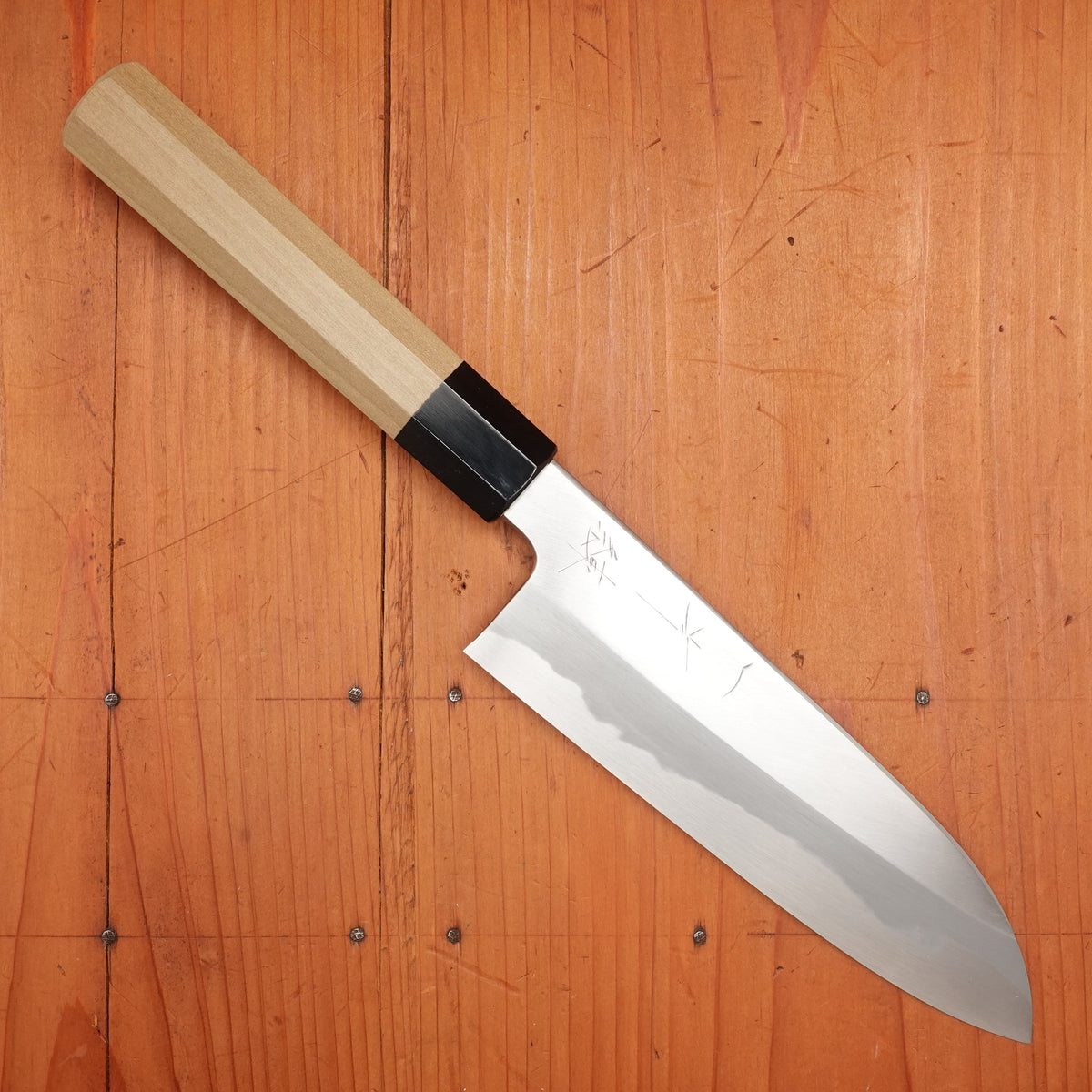
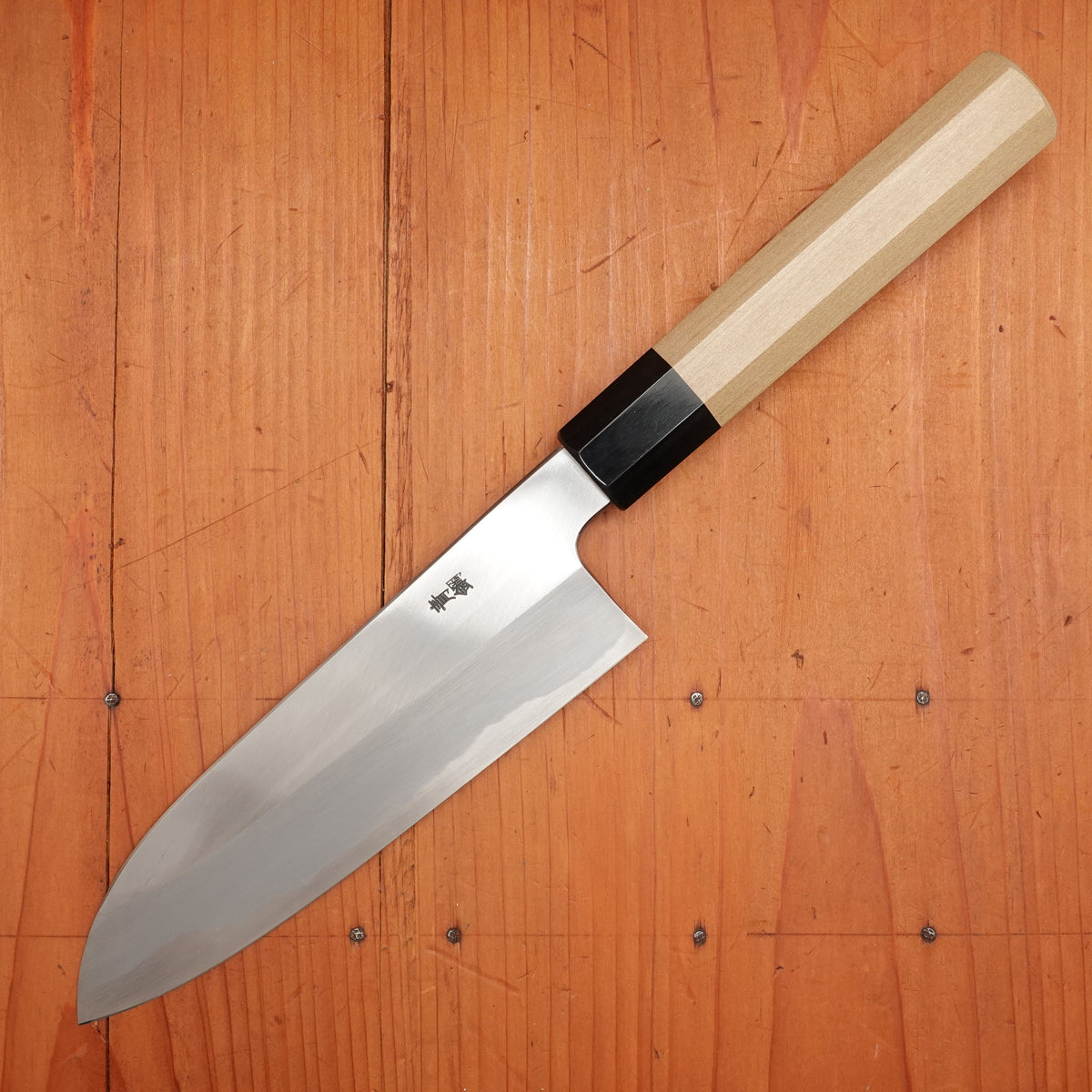
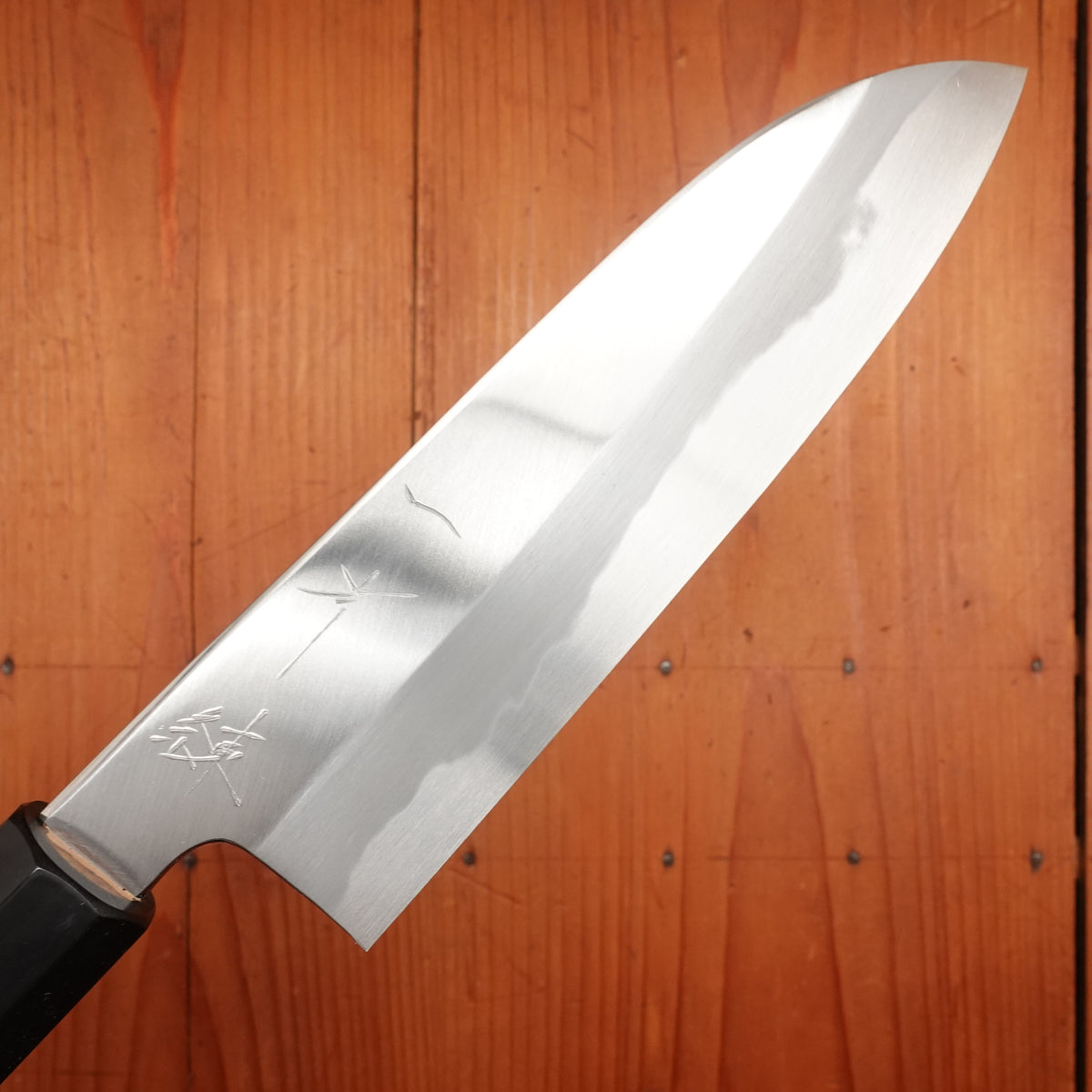
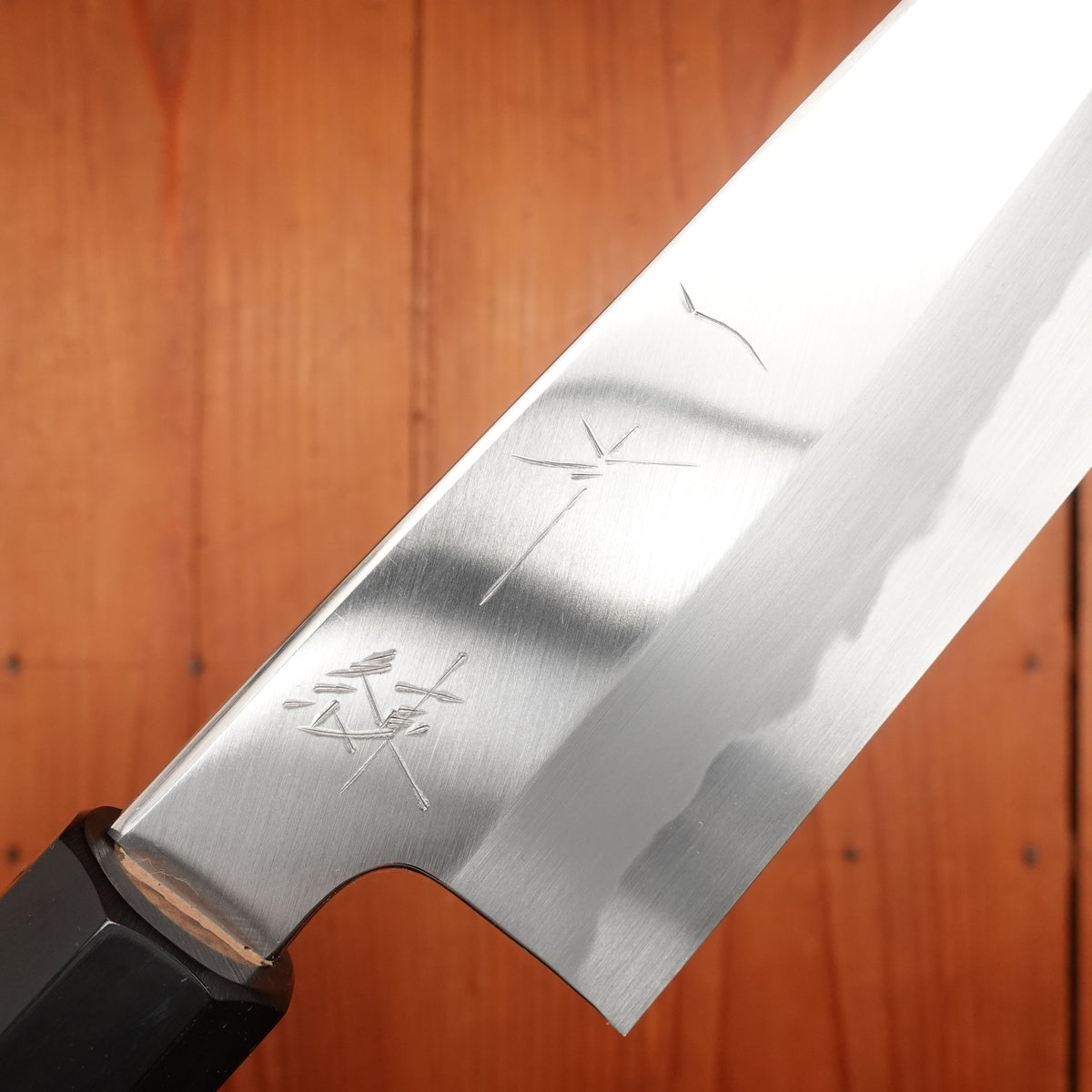
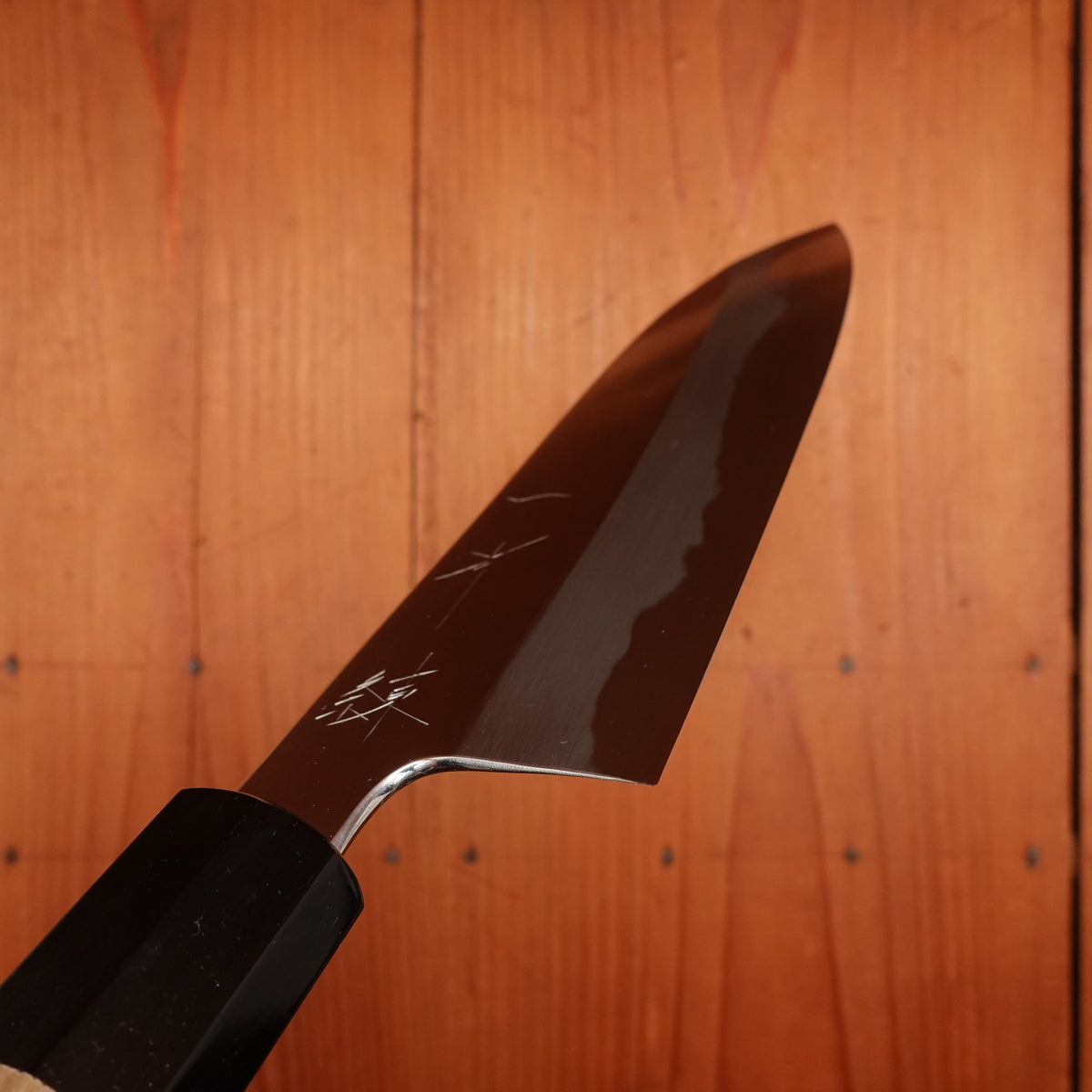
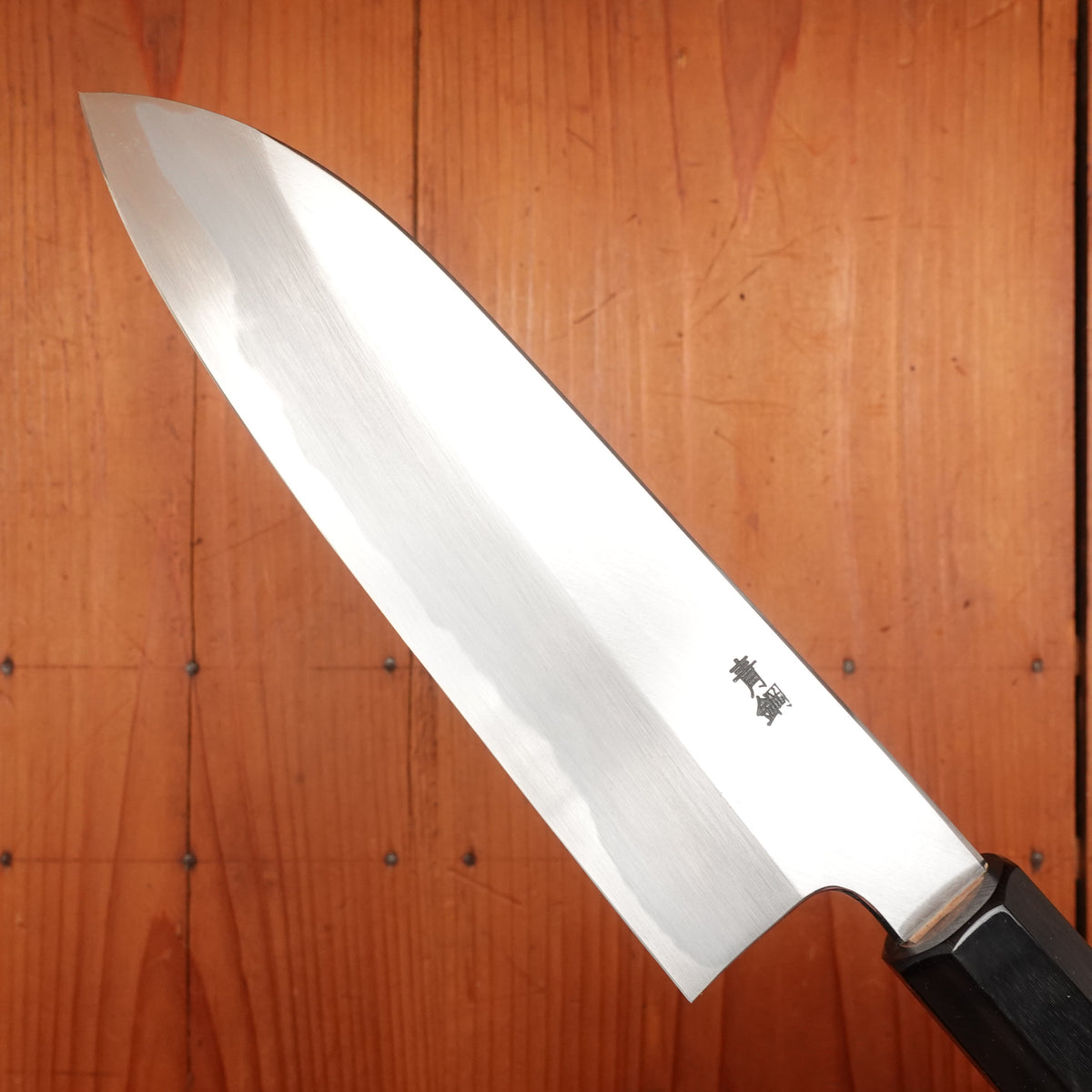
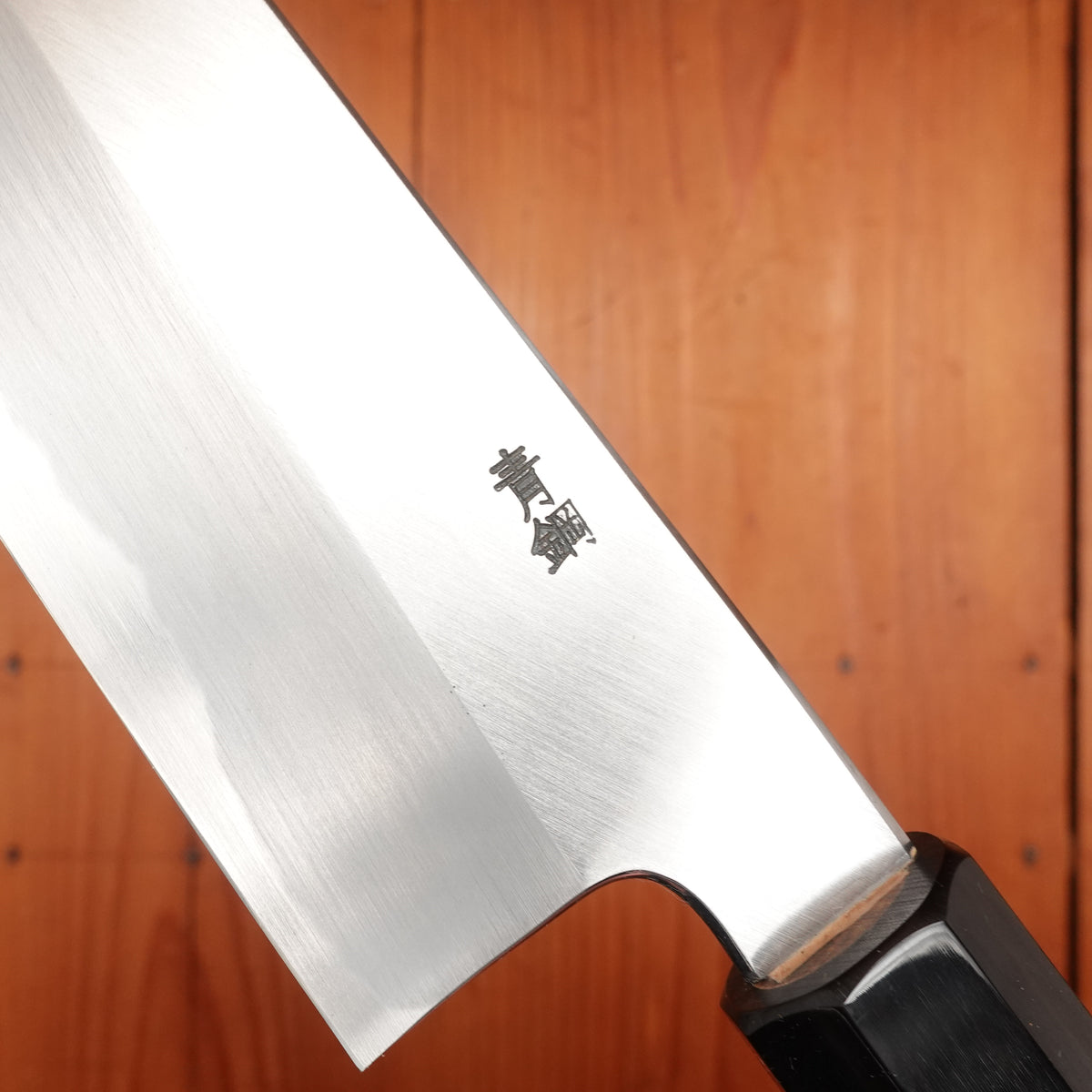
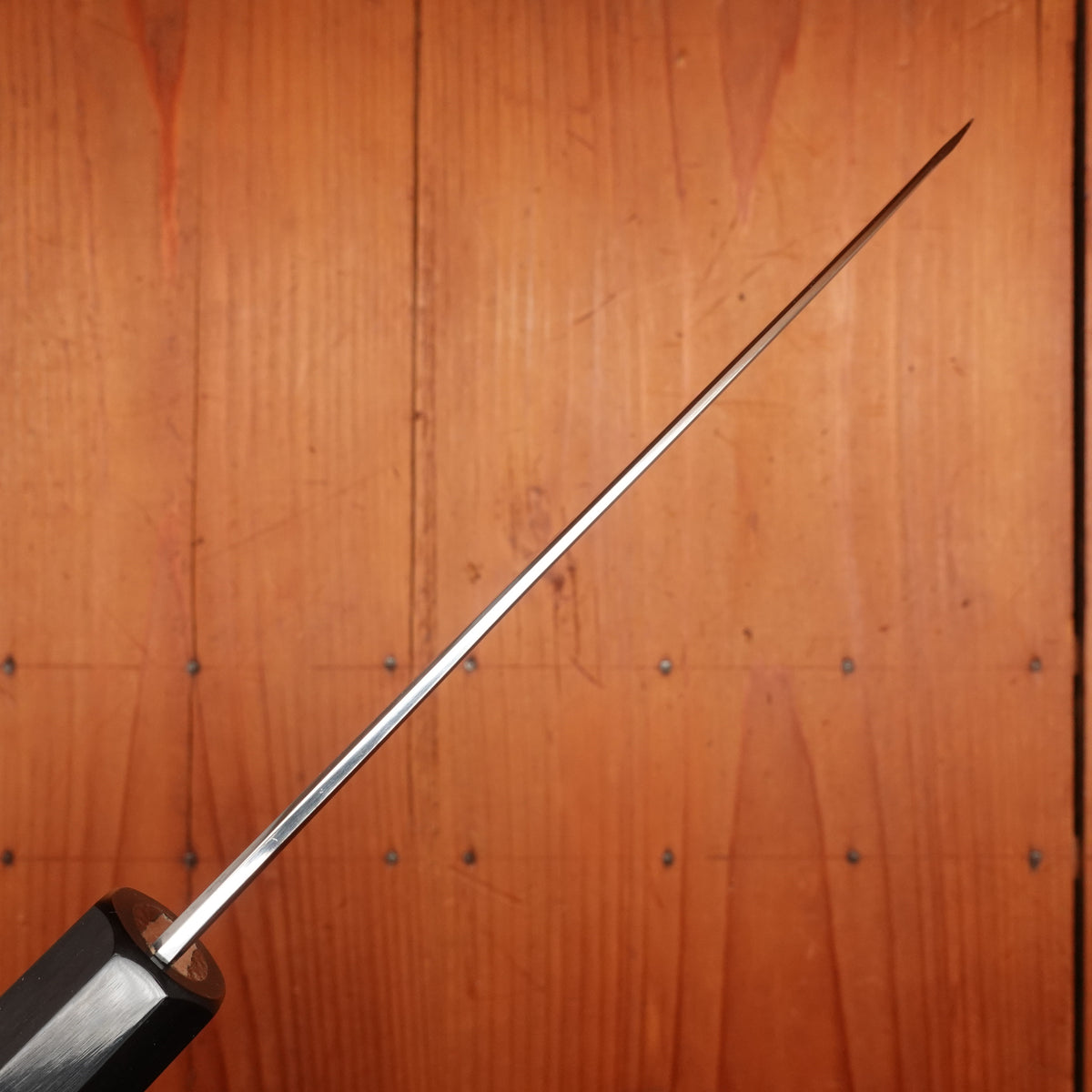
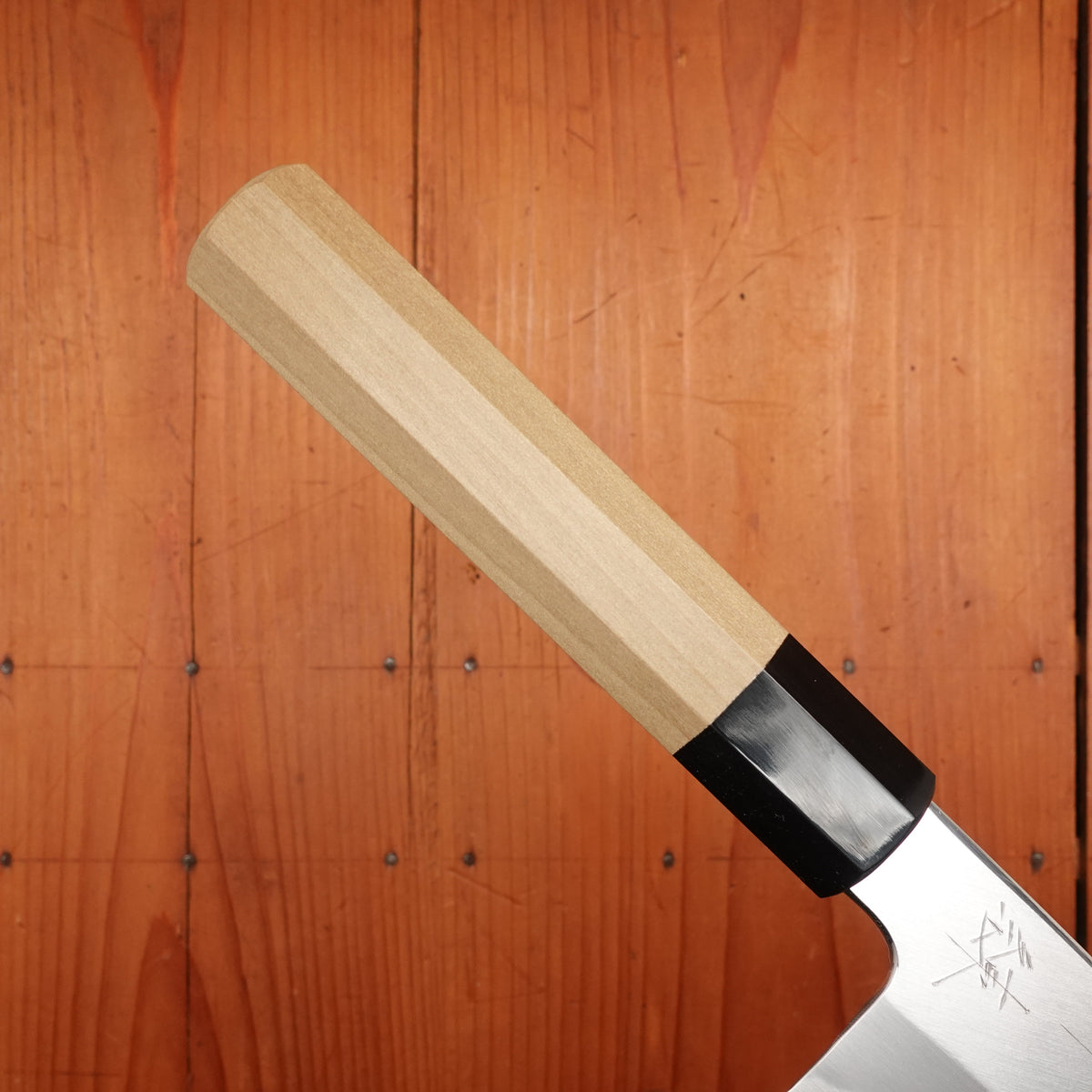
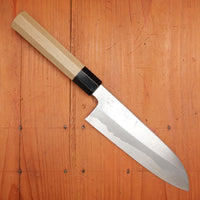
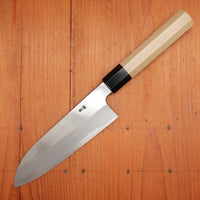
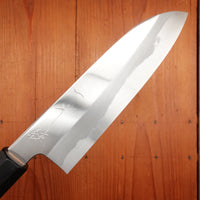
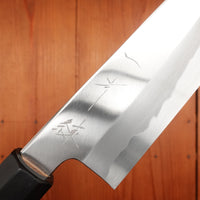
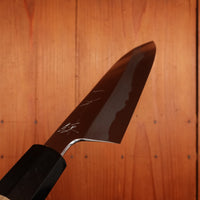
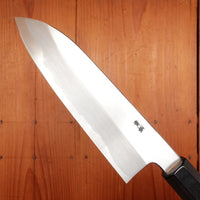
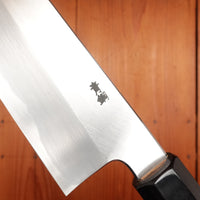
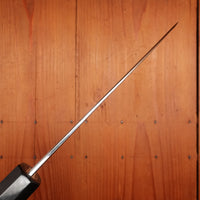
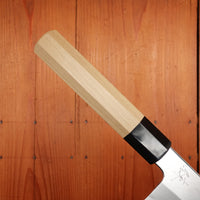
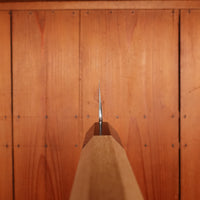
Hitohira Kikuchiyo Ren 180mm Santoku Aogami 2 Ho Wood
-
Regular Price
-
€245,21
-
Sale Price
-
€245,21
-
Regular Price
-
Sold Out
-
Unit Price
- per
- Regular Price
- €245,21
- Sale Price
- €245,21
- Regular Price
- Unit Price
- per
Hand forged in Sakai and ground by a young sharpener in Sakai. These knives come with an impressive lineage with the sharpener's grandfather being one of a few knife makers who pioneered the wide bevel grinding on double bevel knives.
The affordable price is to help support the sales of this series while he is training. We are impressed with the quality of his work on these top quality forged knives.


Santoku

Listed Length: 165mm
Total Length: 318mm
Edge Length: 167mm
Heel Height: 48mm
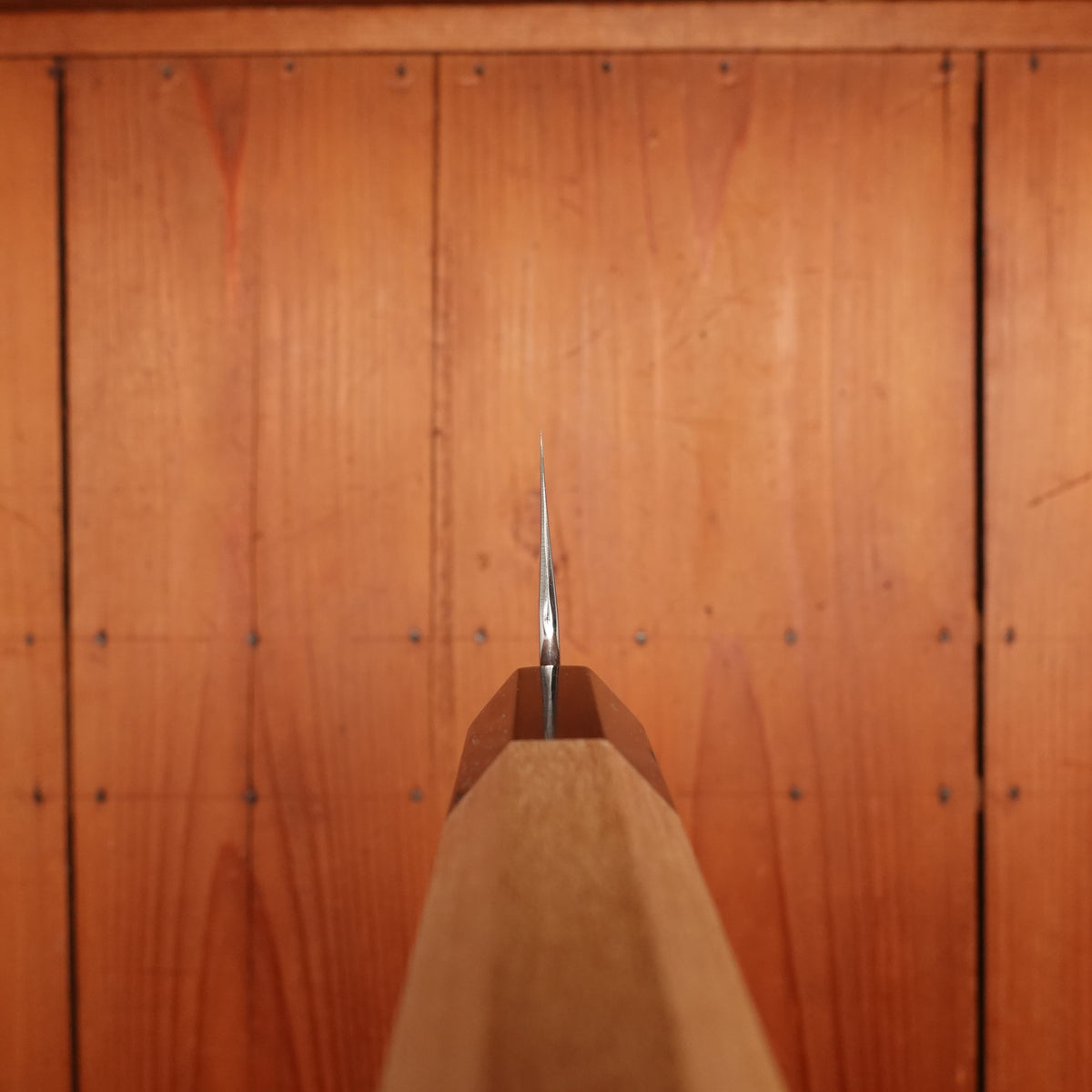
Spine Thickness: 2.7mm
Weight:
Orientation: Ambidextrous
Blade Type:
Steel Type: Aogami 2 (Blue Paper #2)
Steel Hardness (HRC):
Maintenance: More Attention
Handle Type: Japanese (wa)
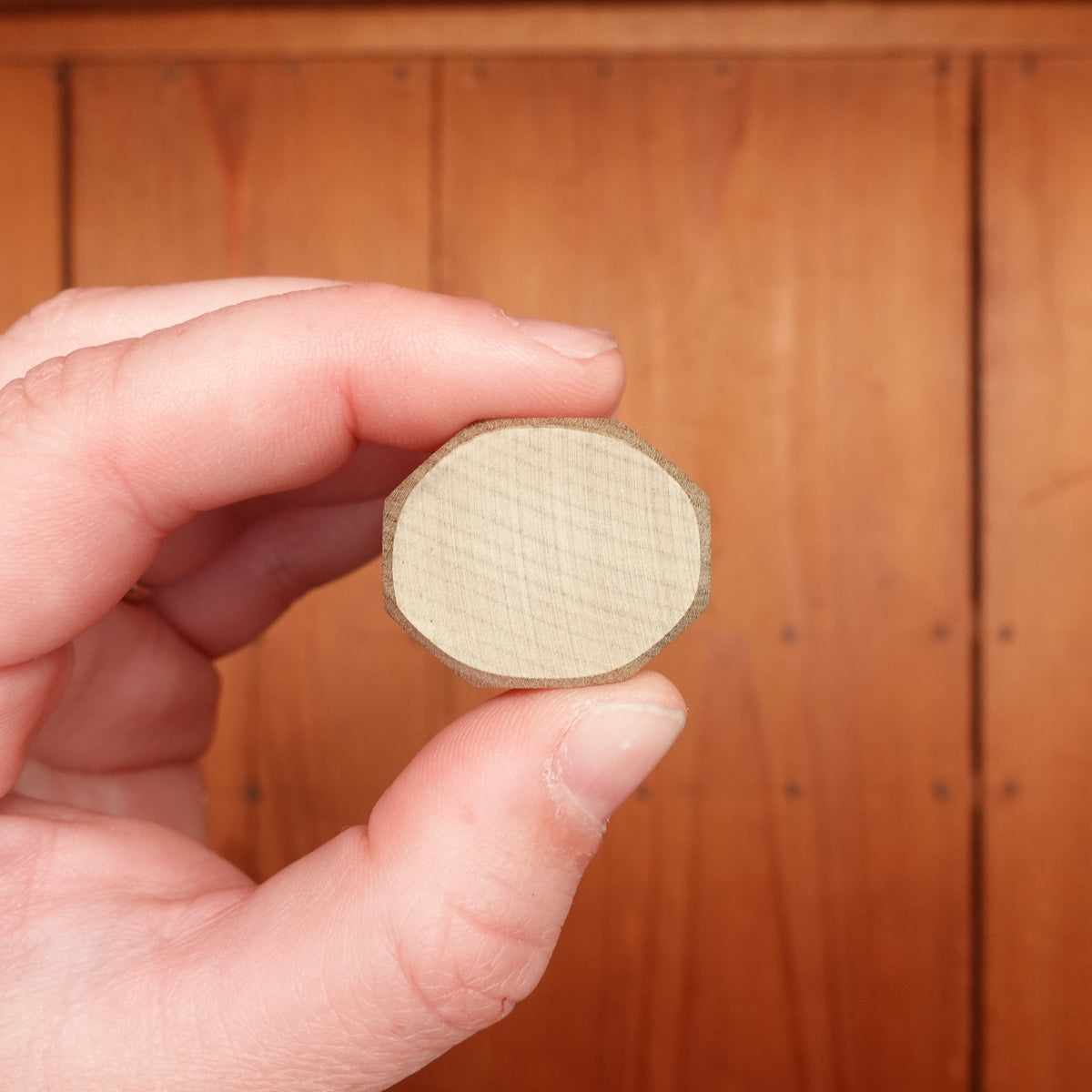
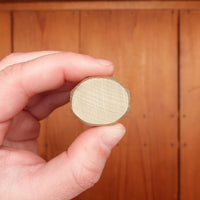
Handle Material: Ho Wood & Buffalo Horn Ferrule Octagonal
Dive Deeper
Medium-Fine finish - Japanese
Sharpening Supplies
Stones & Accessories selected specifically for this knife.
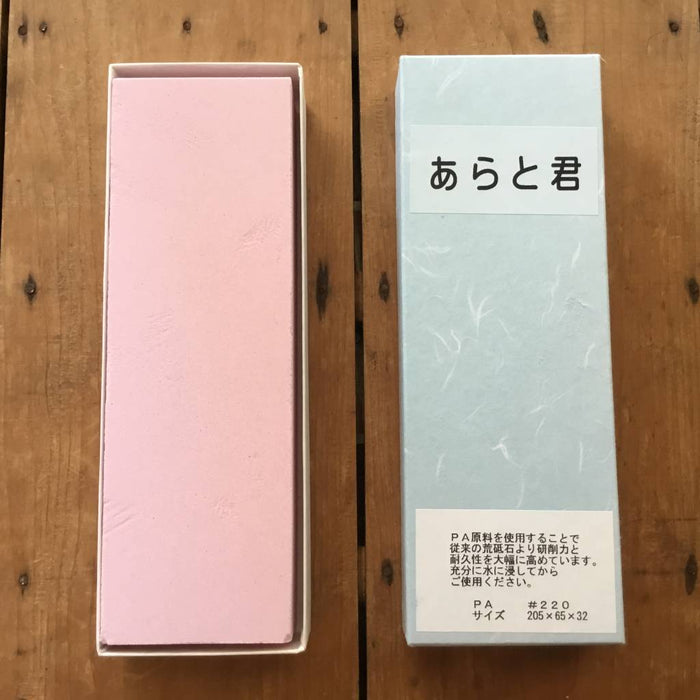
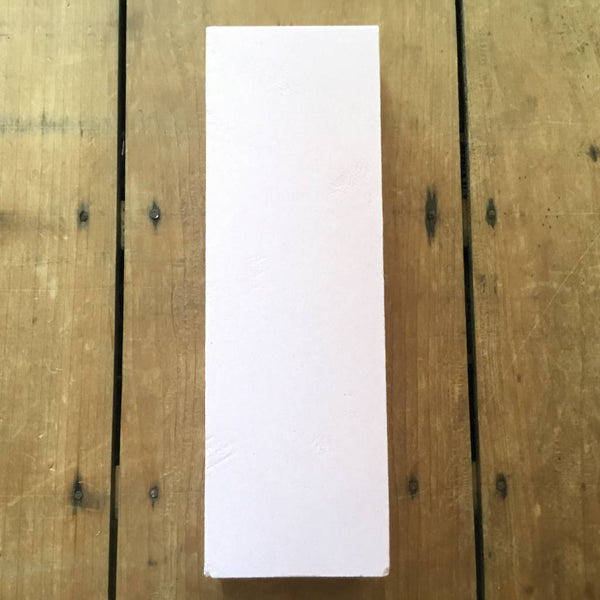
Arato-kun #220 Extra Coarse Grit Whetstone
- Regular Price
- €44,58
- Sale Price
- €44,58
- Regular Price
-
- Unit Price
- per
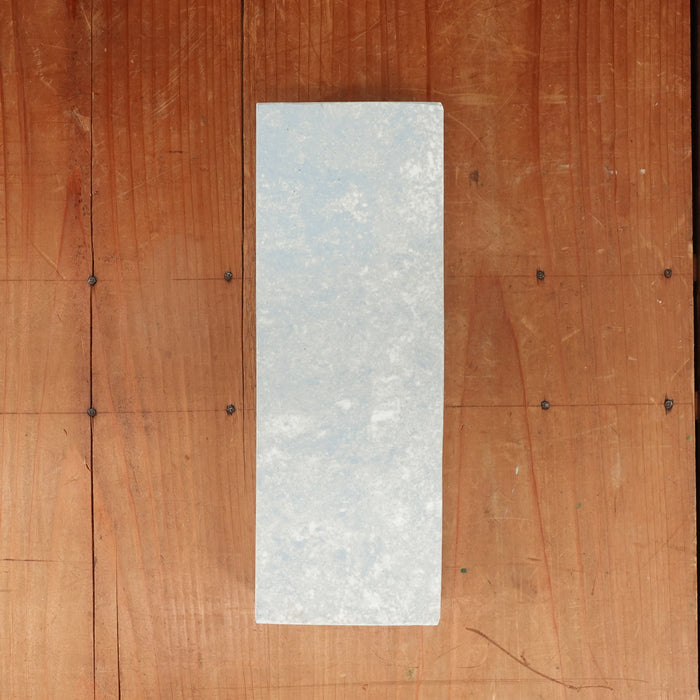
Bernal Cutlery Takarazukushi 1200 Grit Blue Marble Semi-Soft Ceramic Japanese Whetstone
- Regular Price
- €65,98
- Sale Price
- €65,98
- Regular Price
-
- Unit Price
- per
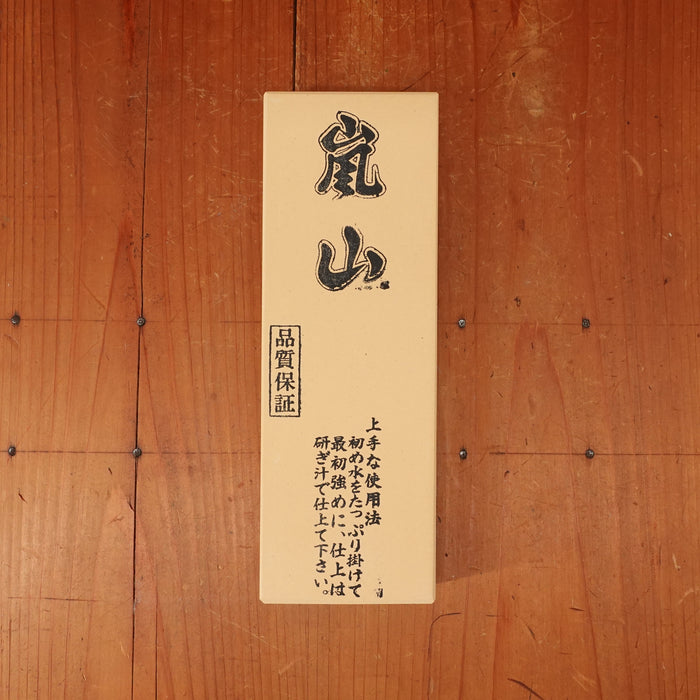
Arashiyama #6000 Whetstone Stone NO Wooden Base
- Regular Price
- €51,72
- Sale Price
- €51,72
- Regular Price
-
- Unit Price
- per
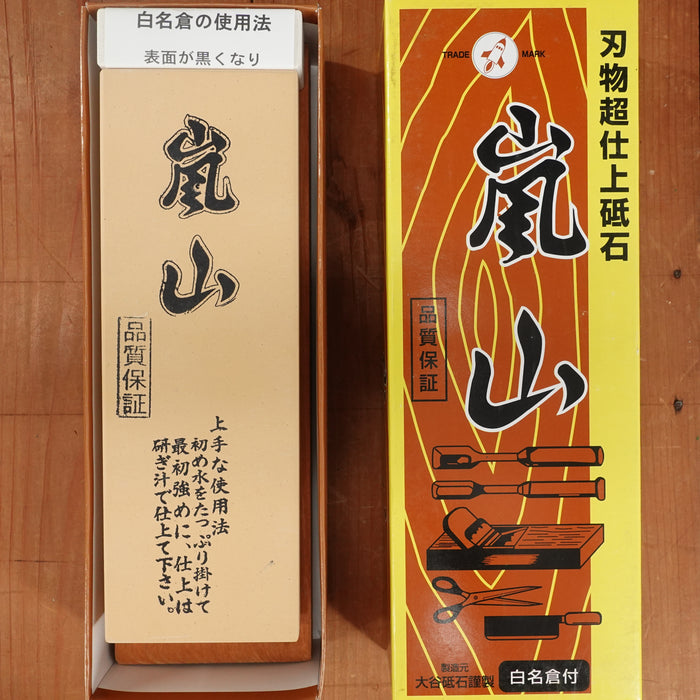
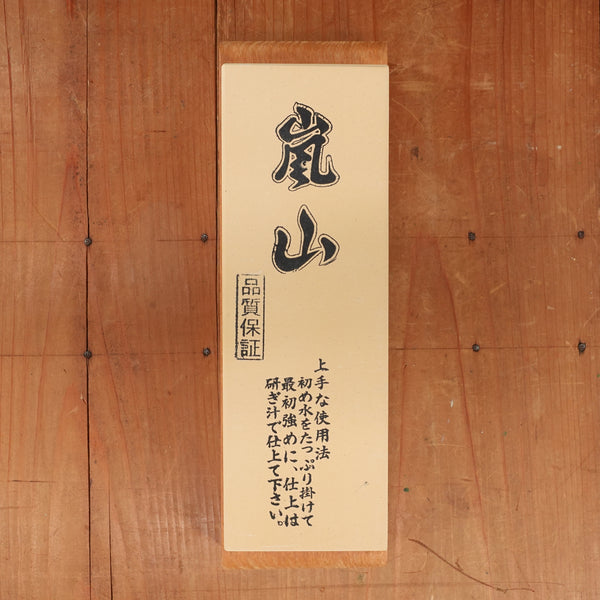
Arashiyama #6000 Whetstone With Nagura Stone and Wooden Base
- Regular Price
- €60,63
- Sale Price
- €60,63
- Regular Price
-
- Unit Price
- per
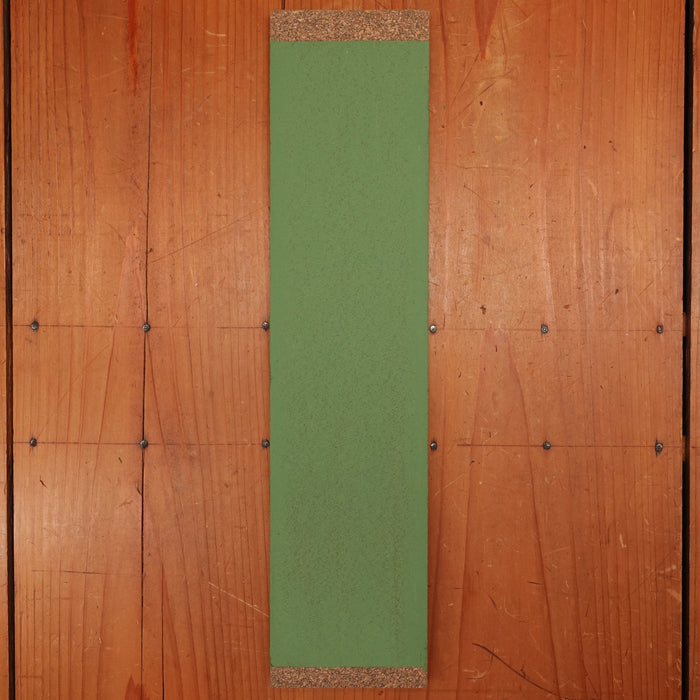
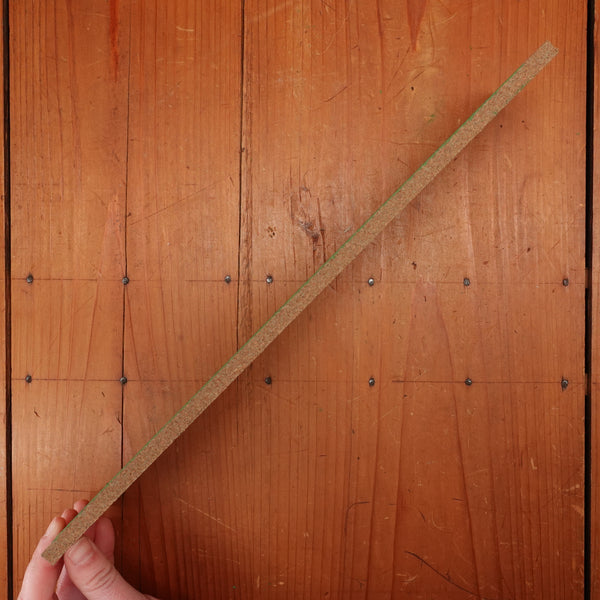
Bernal Cutlery Monodiachrome™ Precharged Deburring Strop
- Regular Price
- €35,67
- Sale Price
- €35,67
- Regular Price
-
- Unit Price
- per


Aogami 2 (Blue Paper #2)
