
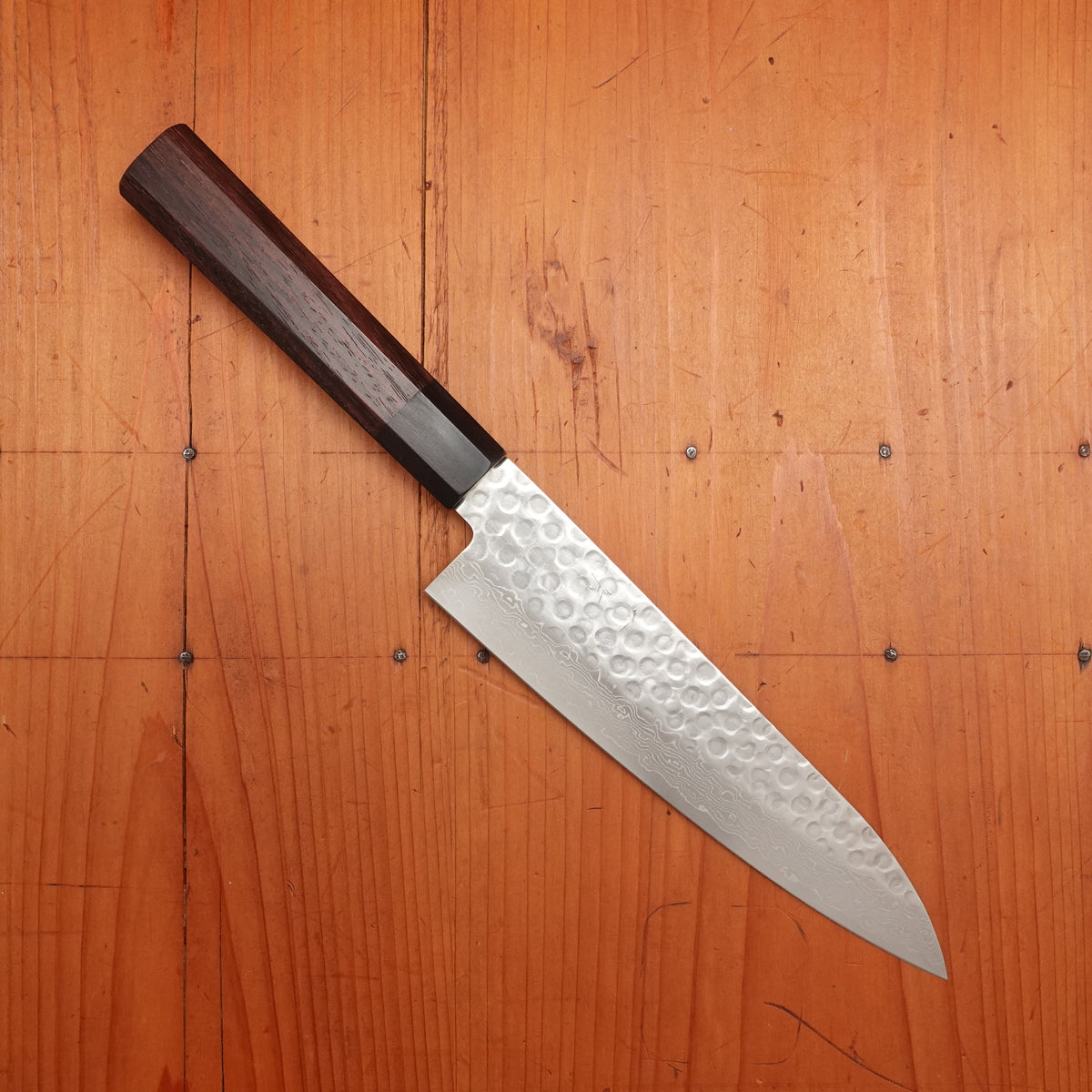
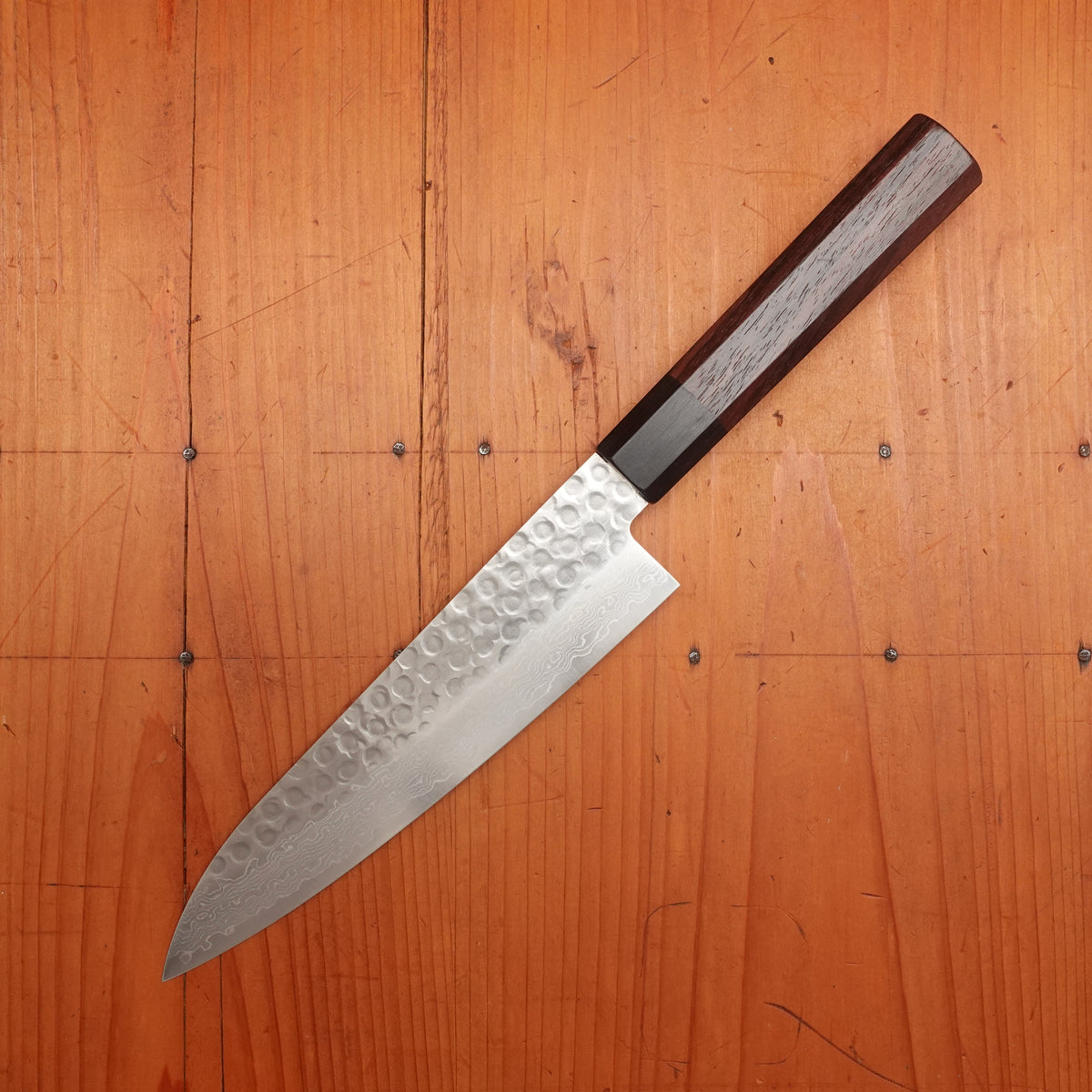
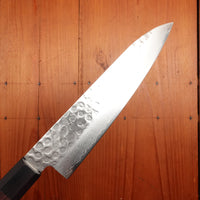
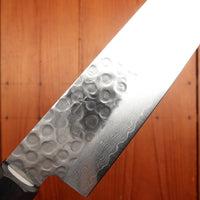
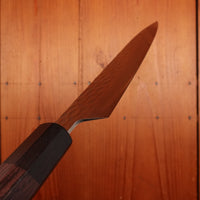
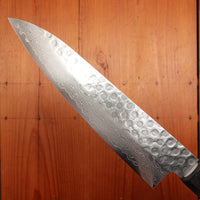
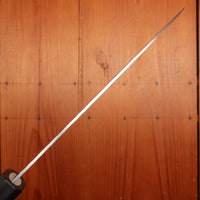
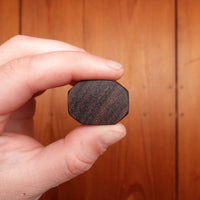
Hitohira HG 180mm Gyuto Stainless Tsuchime Damascus Rosewood Handle
-
Regular Price
-
€165,73
-
Sale Price
-
€165,73
-
Regular Price
-
Sold Out
-
Unit Price
- per
- Regular Price
- €165,73
- Sale Price
- €165,73
- Regular Price
Sold Out
- Unit Price
- per
Shipping calculated at checkout.
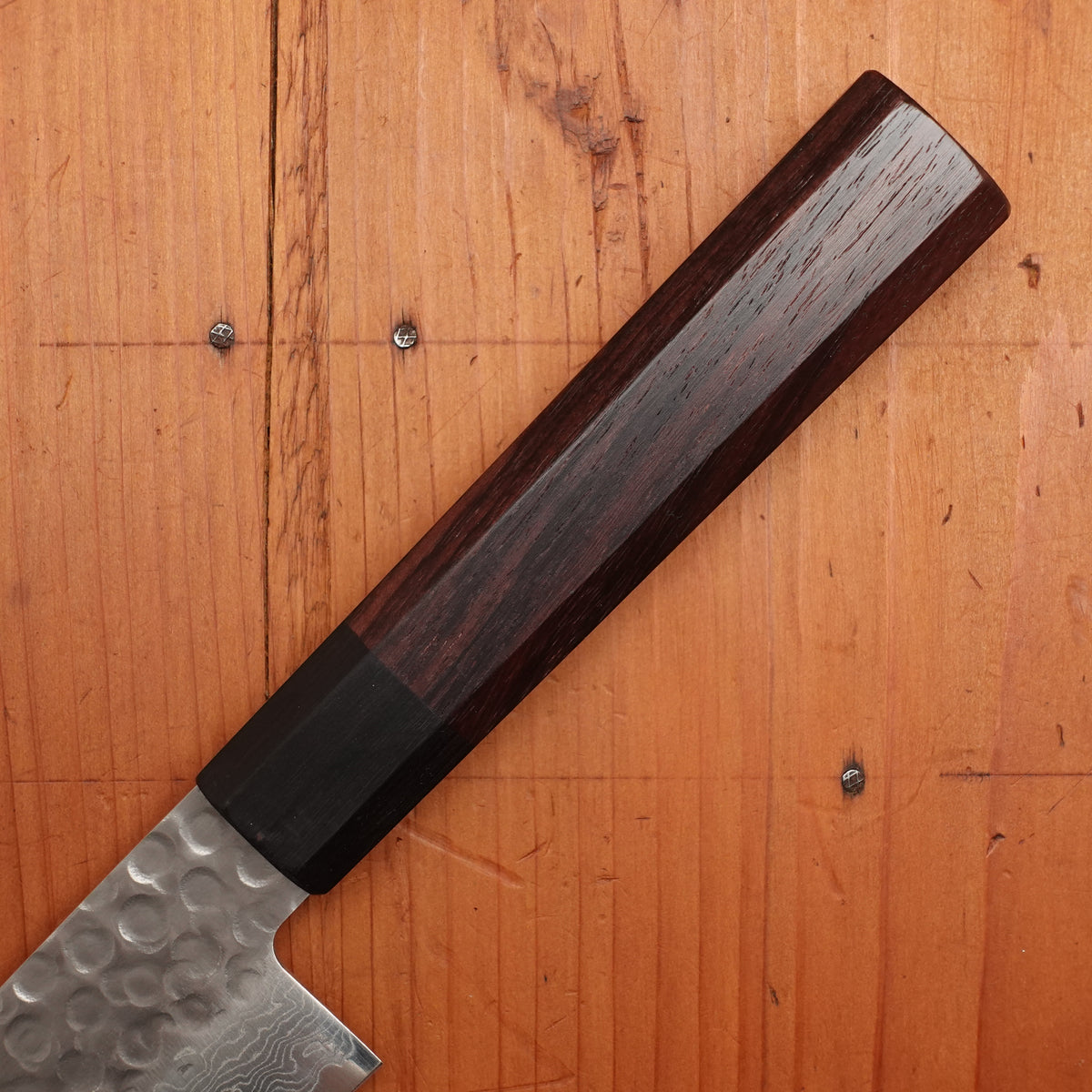
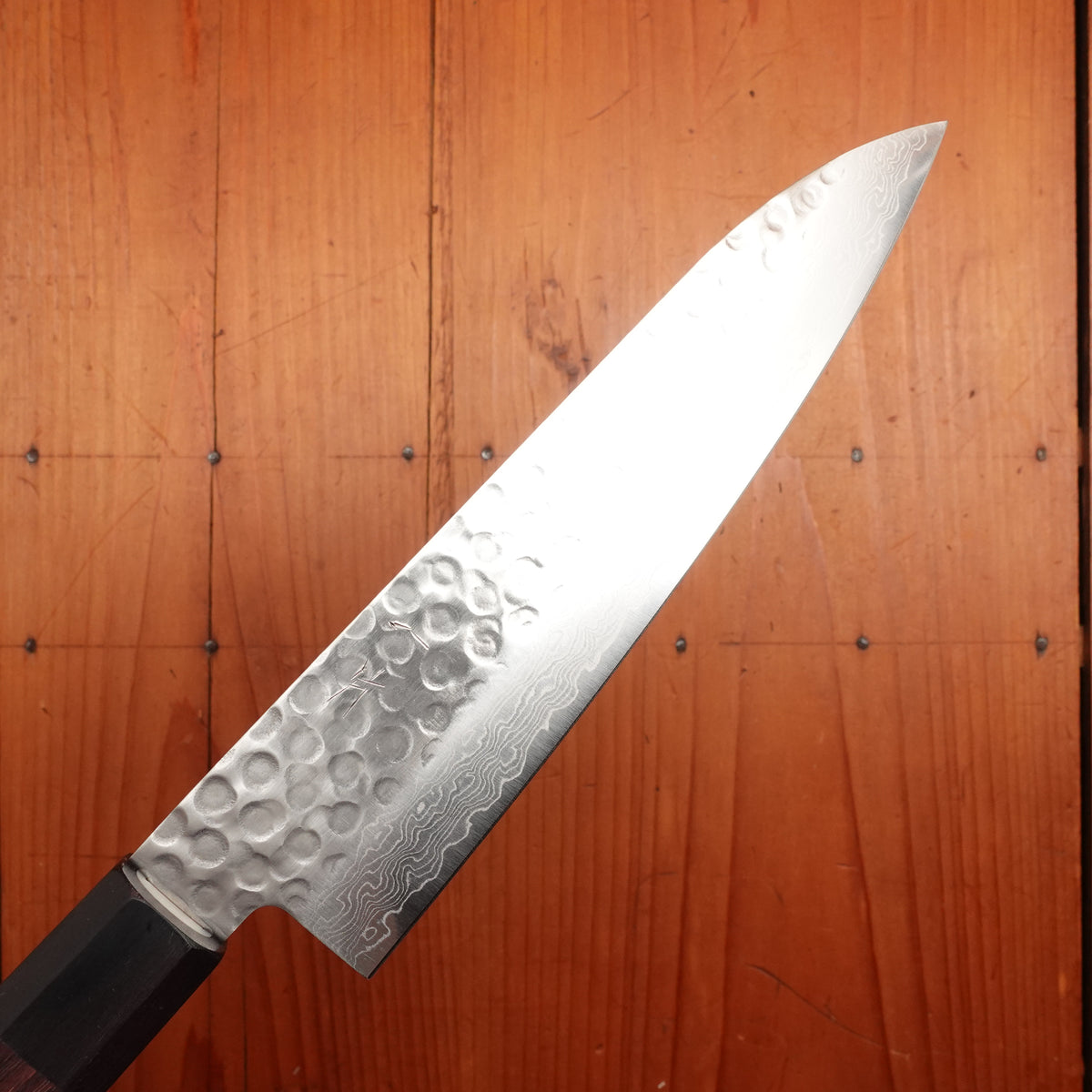
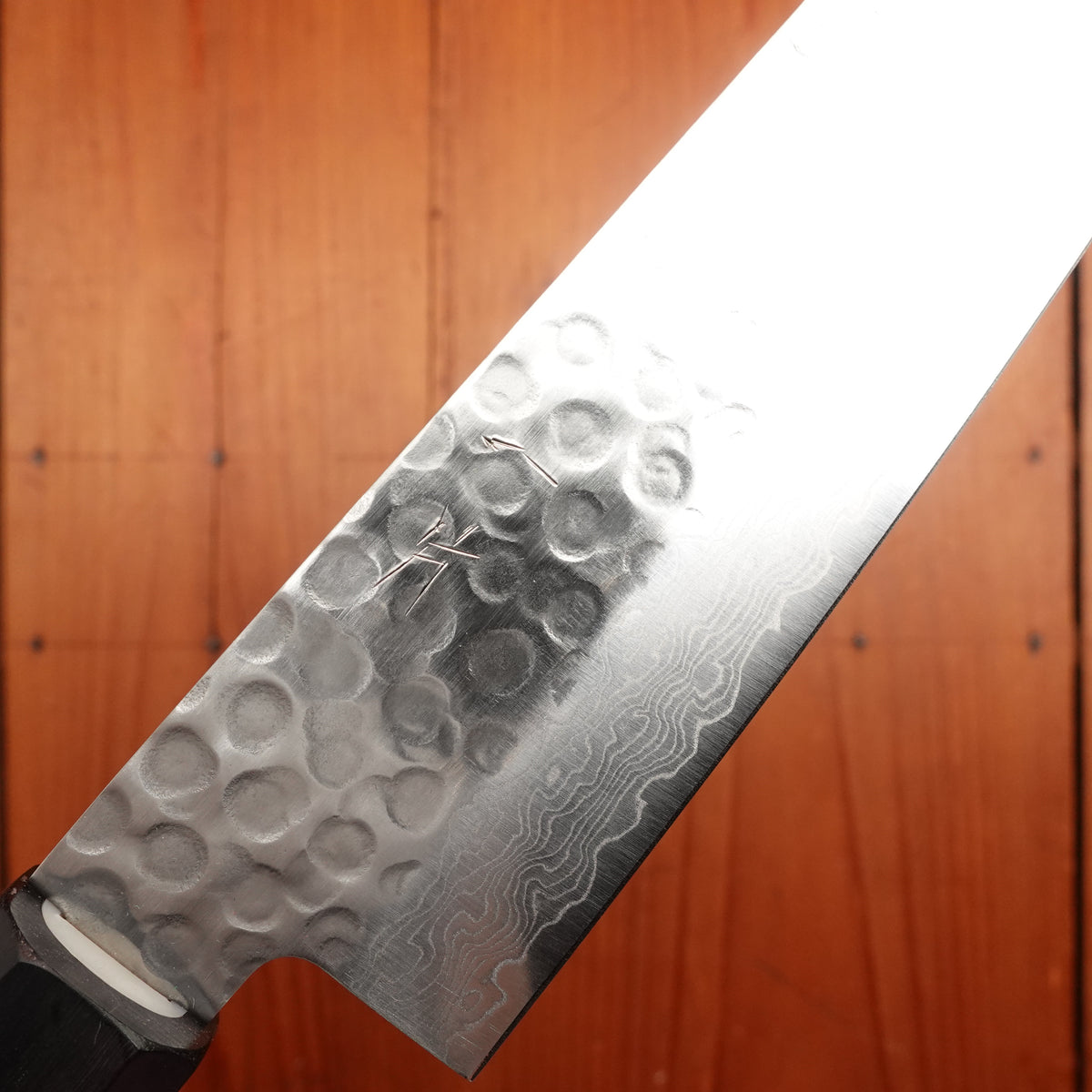
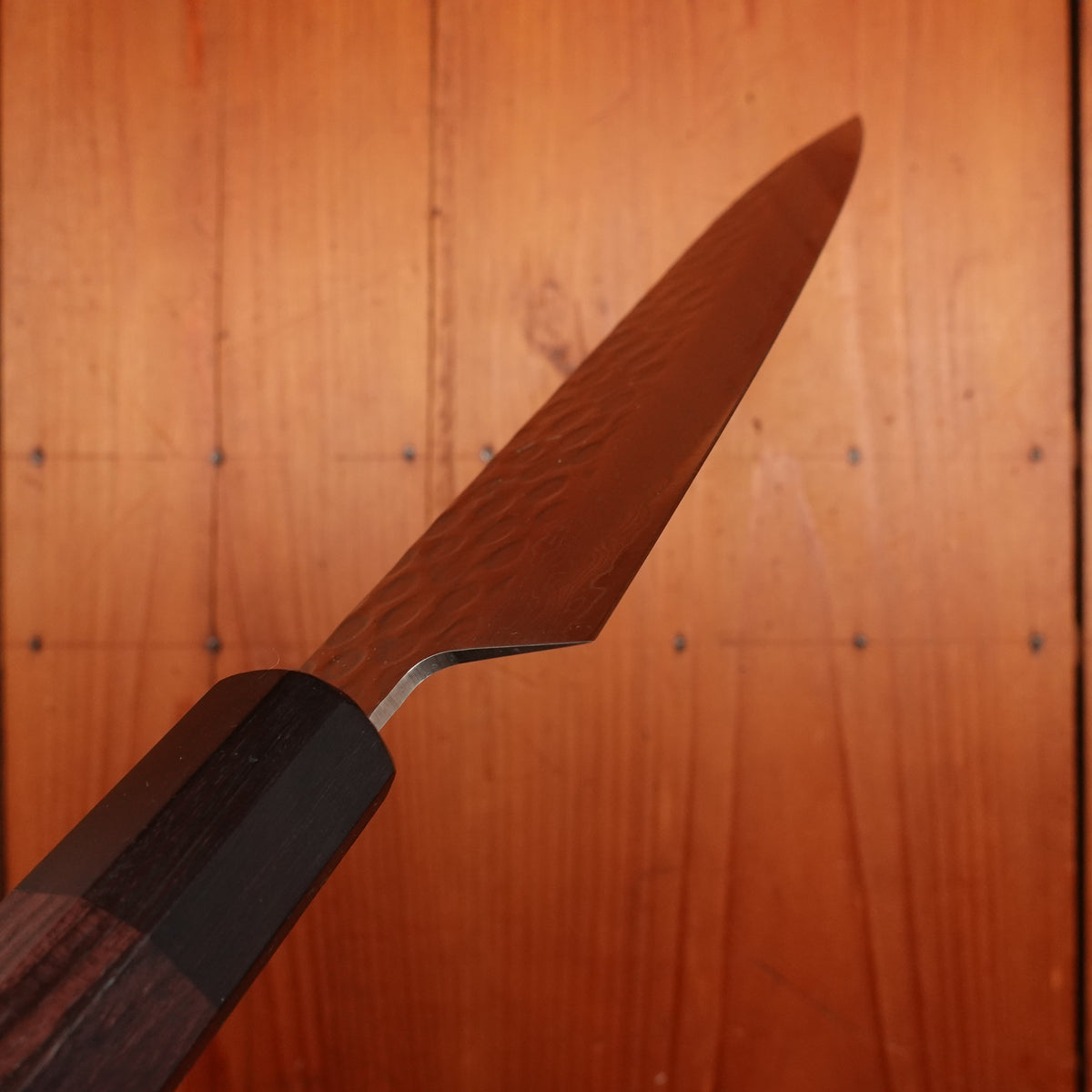
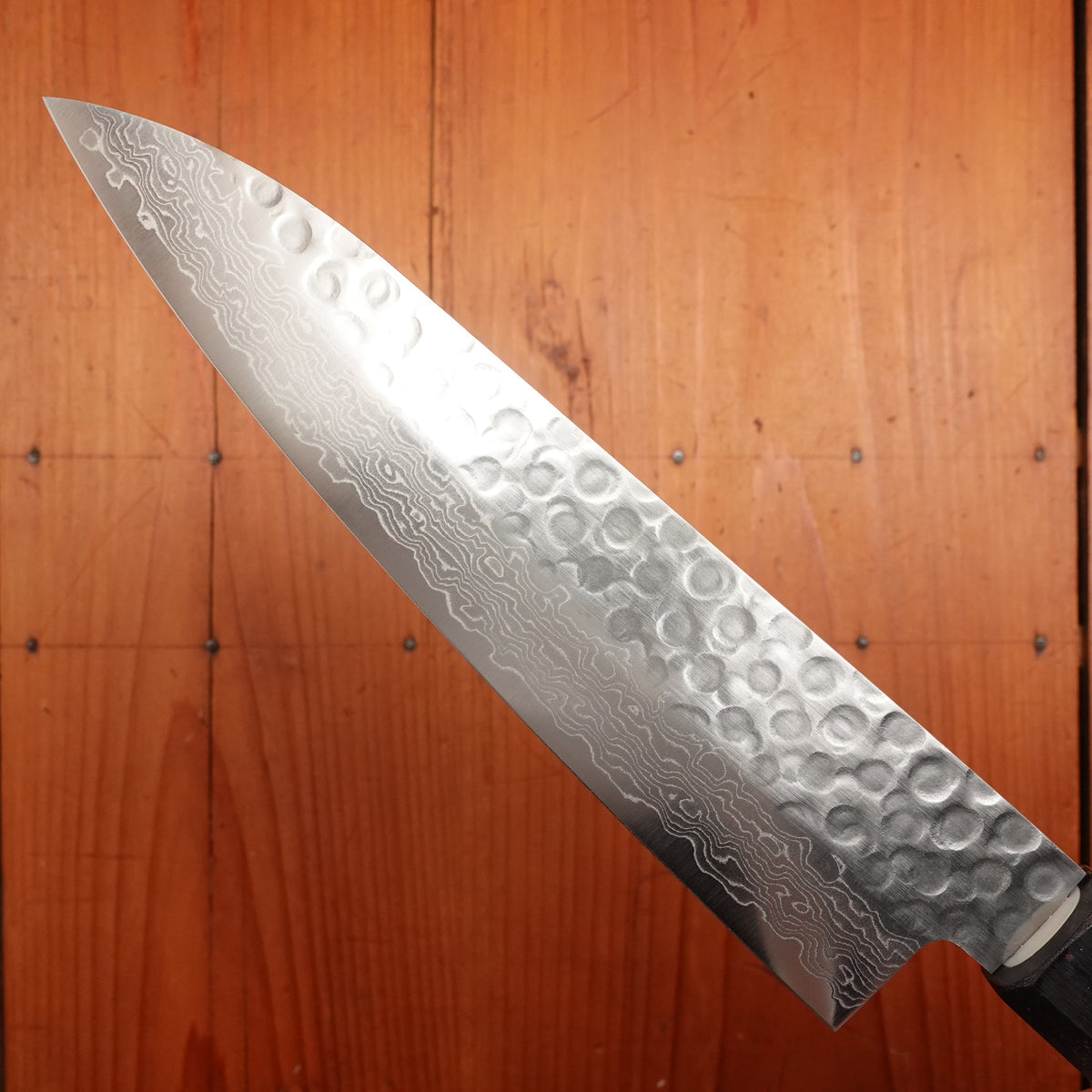
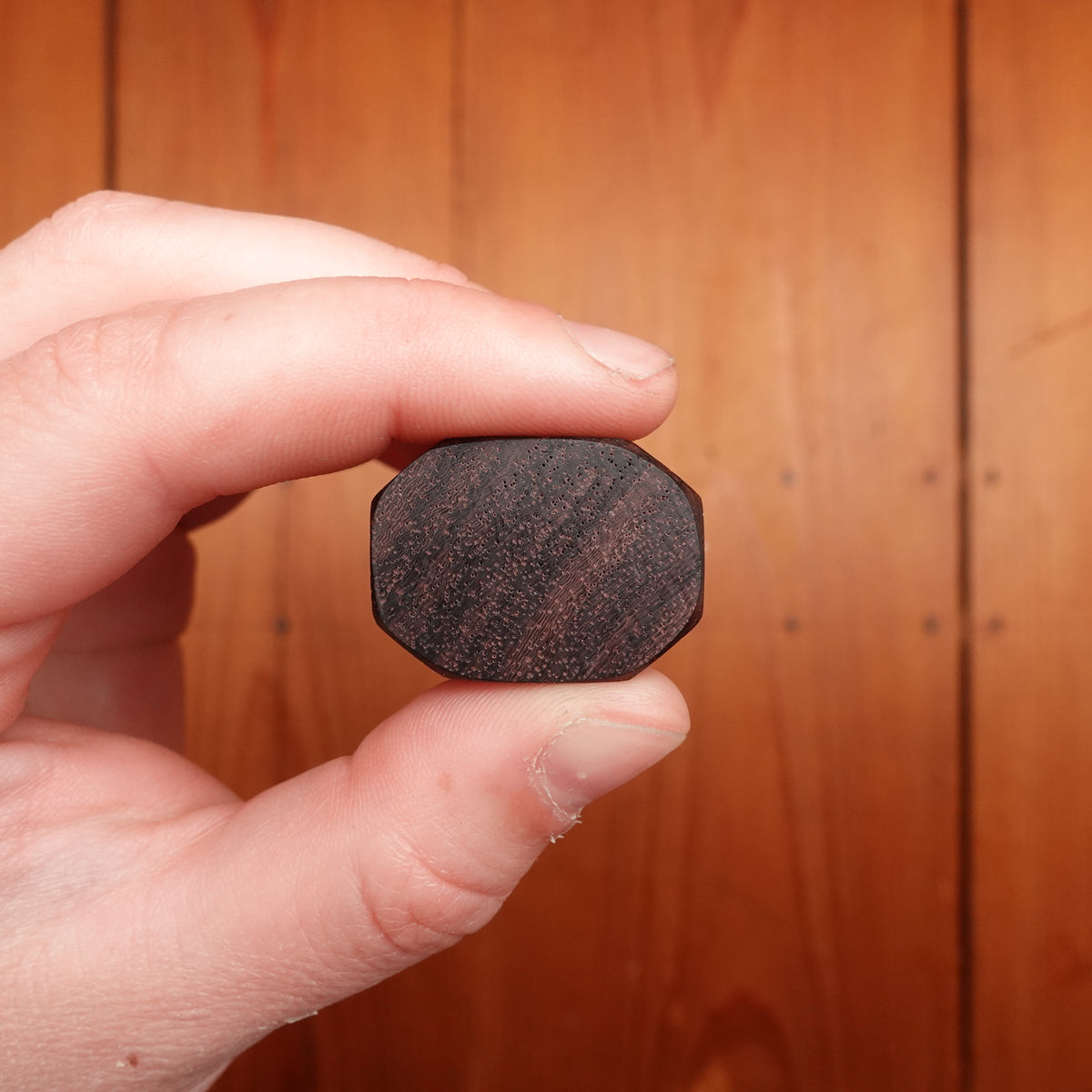
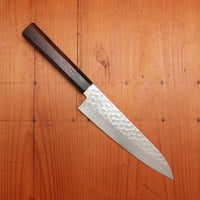
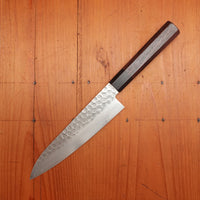
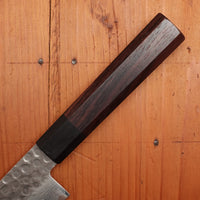
Tsuchime hammer marked nickel / stainless suminagashi damscus clad hard stainless core with Rosewood & Pakka Ferrule Octagonal. A good combination of toughness and edge life on this series; the broken up surface area of the face of the blade makes for good food release.
About This Knife


Gyuto

Listed Length: 180mm
Total Length: 320mm
Edge Length: 186mm
Heel Height: 43mm
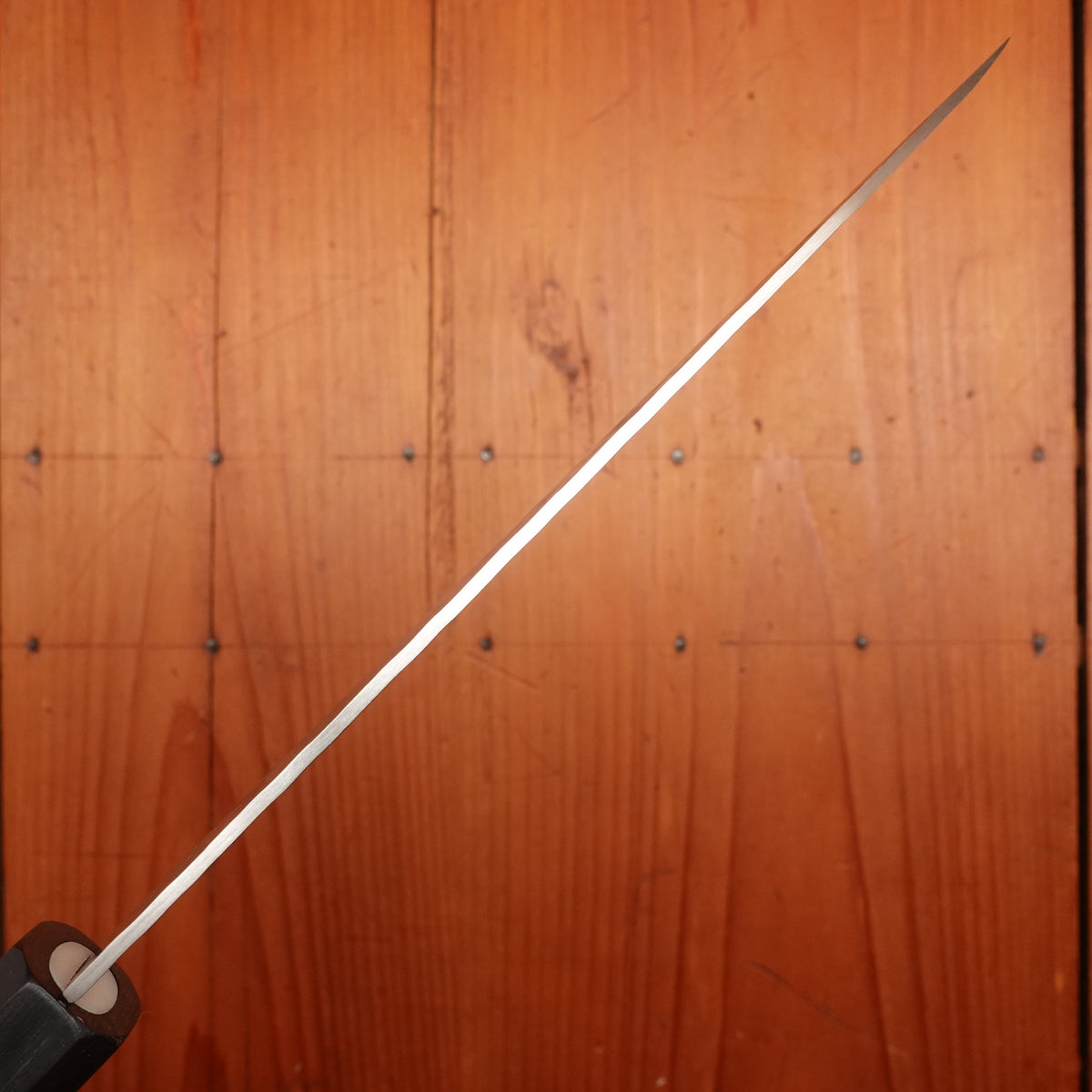
Spine Thickness: 1.9mm
Weight:
Orientation: Ambidextrous
Blade Type:
Steel Type:
Steel Hardness (HRC):
Reactive: Less Attention
Handle Type: Western
Handle Material: Dyed Wood
Dive Deeper
Medium-Fine finish - Japanese
Sharpening Supplies
Stones & Accessories selected specifically for this knife.
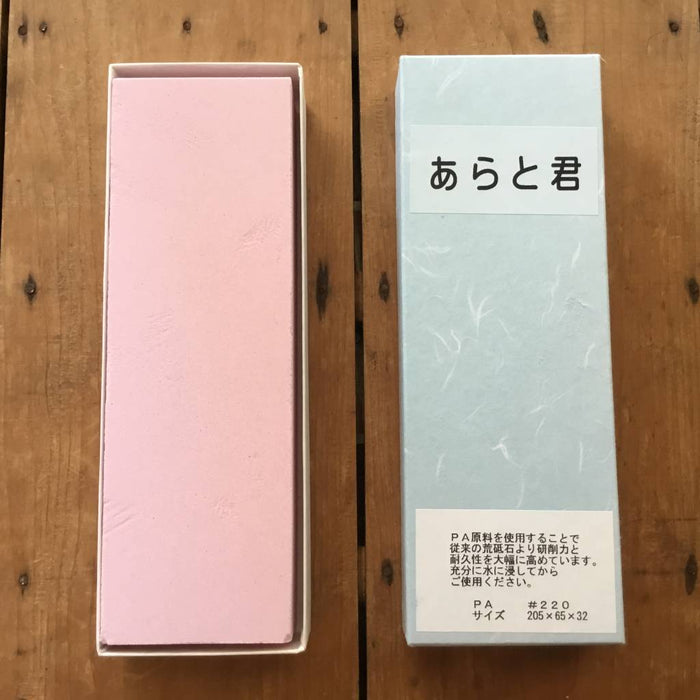
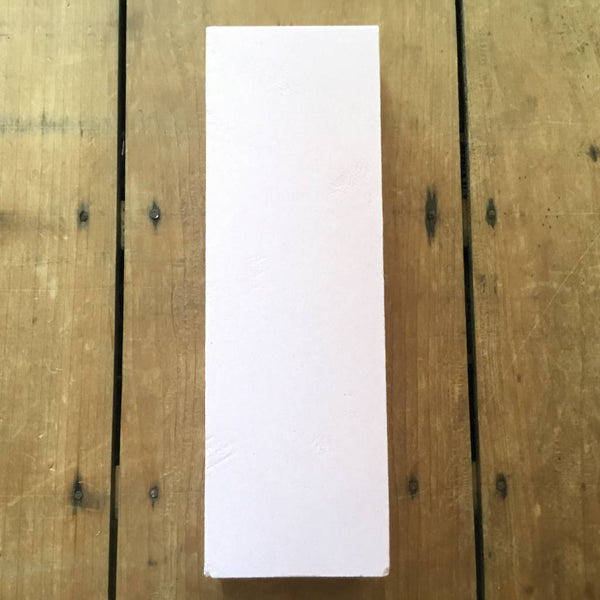
Arato-kun #220 Extra Coarse Grit Whetstone
- Regular Price
- €44,55
- Sale Price
- €44,55
- Regular Price
-
- Unit Price
- per
Sold Out
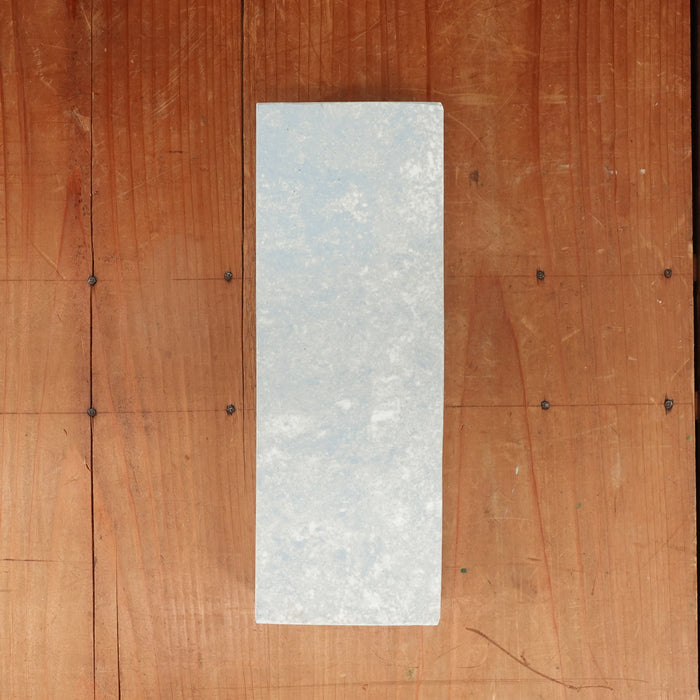
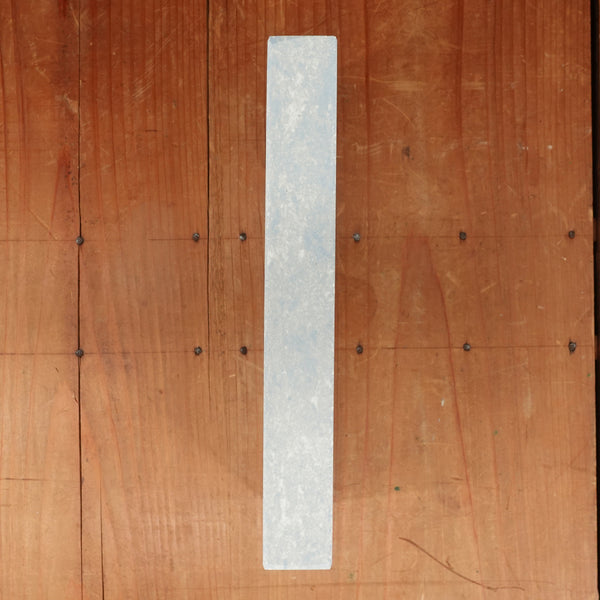
Bernal Cutlery Takarazukushi 1200 Grit Blue Marble Semi-Soft Ceramic Japanese Whetstone
- Regular Price
- €65,94
- Sale Price
- €65,94
- Regular Price
-
- Unit Price
- per
Sold Out
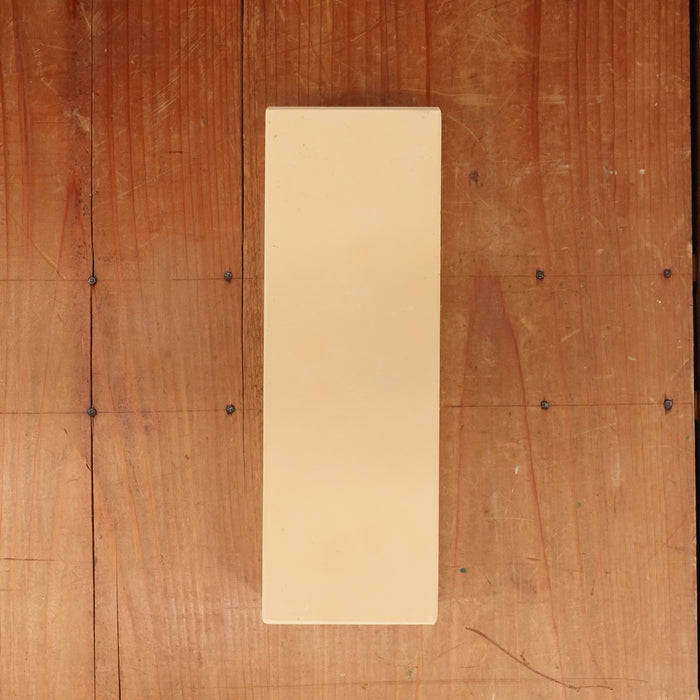
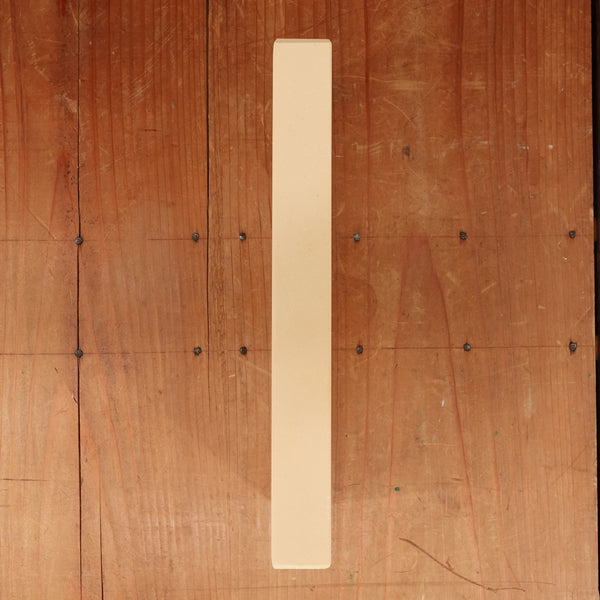
Bernal Cutlery Takarazukushi 4000 Grit Yellow Semi-Hard Resinoid Japanese Whetstone
- Regular Price
- €73,07
- Sale Price
- €73,07
- Regular Price
-
- Unit Price
- per
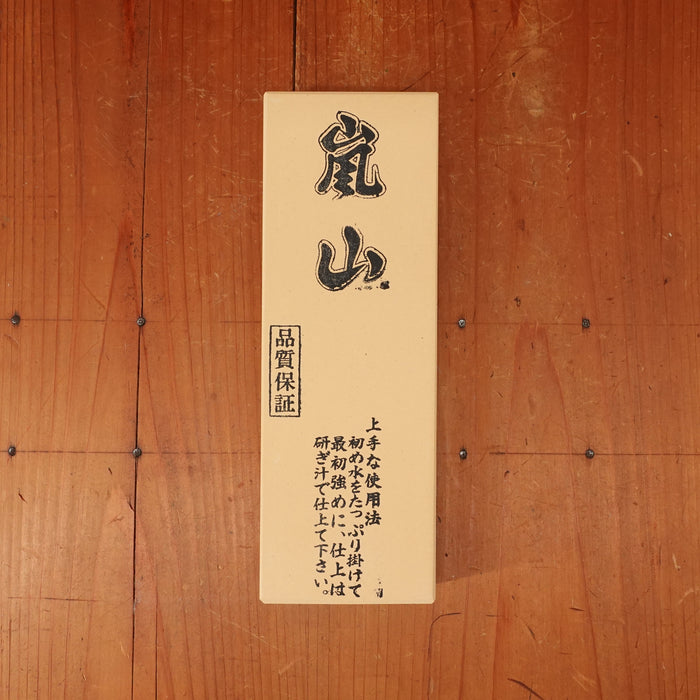
Arashiyama #6000 Whetstone Stone NO Wooden Base
- Regular Price
- €51,68
- Sale Price
- €51,68
- Regular Price
-
- Unit Price
- per
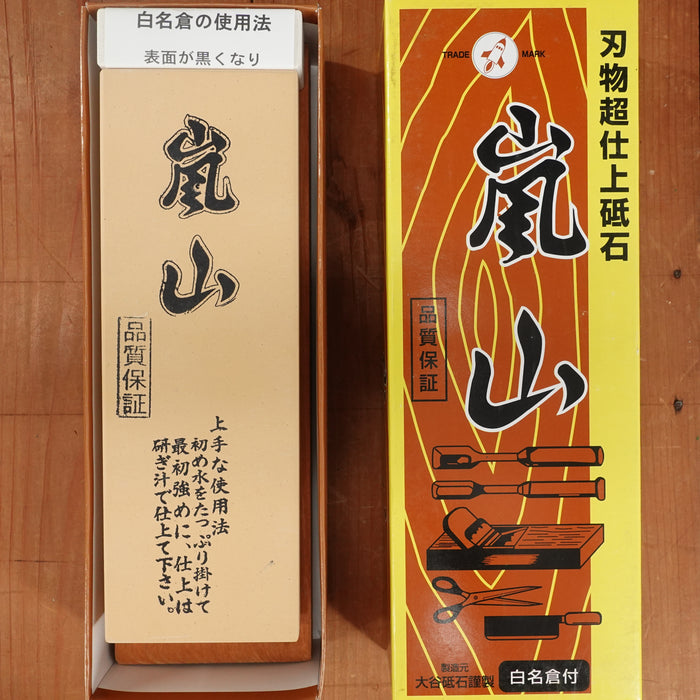
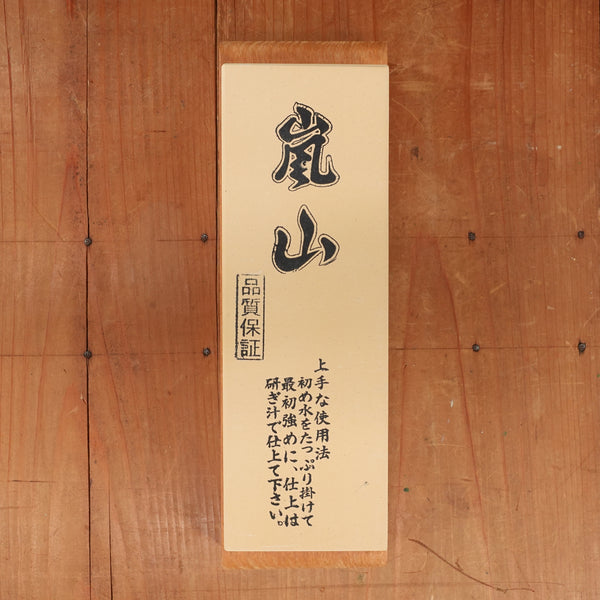
Arashiyama #6000 Whetstone With Nagura Stone and Wooden Base
- Regular Price
- €60,59
- Sale Price
- €60,59
- Regular Price
-
- Unit Price
- per
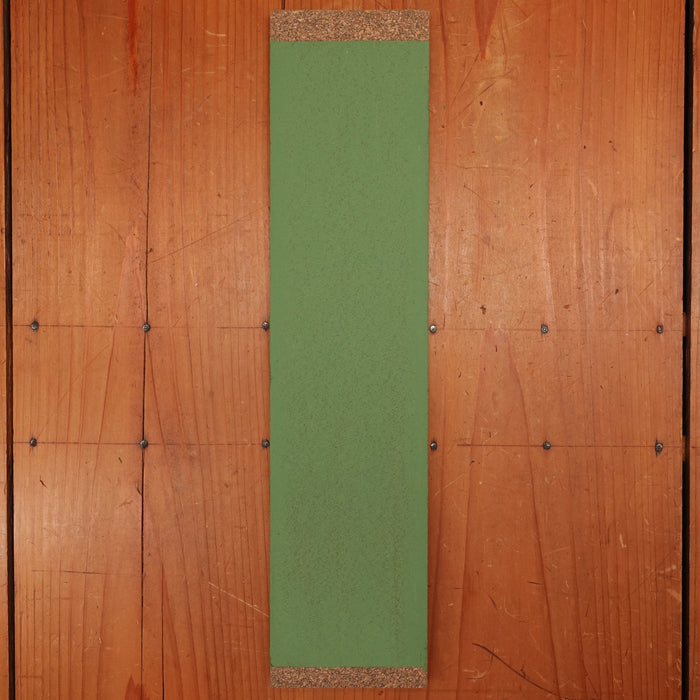
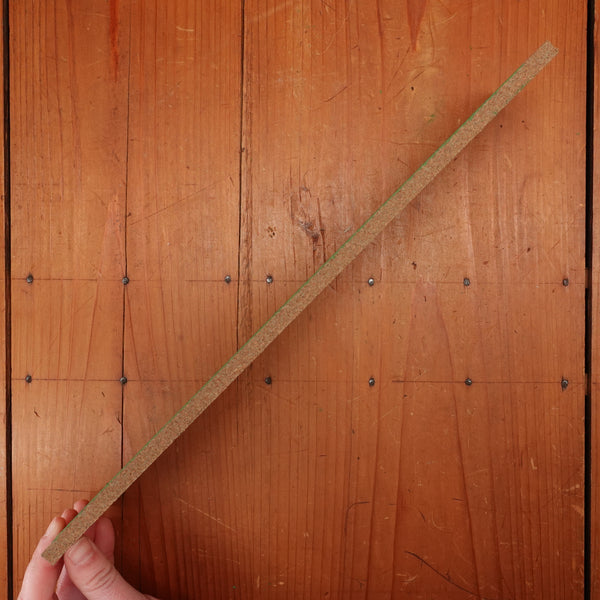
Bernal Cutlery Monodiachrome™ Precharged Deburring Strop
- Regular Price
- €35,64
- Sale Price
- €35,64
- Regular Price
-
- Unit Price
- per