


Russell Green River Works 14" Bullnose Hand-Forged Carbon Steel Rosewood Turners Falls 1890s-1920s
-
Regular Price
-
€207,01
-
Sale Price
-
€207,01
-
Regular Price
-
Sold Out
-
Unit Price
- per
- Regular Price
- €207,01
- Sale Price
- €207,01
- Regular Price
- Unit Price
- per

1890s-1920s era Russell Green River Works (with acid etched markings) 14" bullnose butcher knife with hand forged, hand ground carbon steel blade, milled bolsters over a 5 pinned rosewood family hardwood handle.
This knife has been sharpened on some of the edge, and previous rust has left some pits; it is still a great example of J Russell's knife-making.
It has an OK edge on it right now, for best utility it would be best to have us thin and re-surface the blade, part of the marks might be lost and the deeper part of the pits will remain.

About J Russell Green River Co
About This Knife


Total Length:
Edge Length: 14"
Heel Height:
Spine Thickness:
Weight:
Orientation:
Blade Type:
Steel Type:
Steel Hardness (HRC): 54-56?
Reactive:
Handle Type: Western
Handle Material: rosewood, pewter bolster
Dive Deeper
Sharpening Supplies
Stones & Accessories selected specifically for this knife.
Bernal Cutlery Takarazukushi 320 WA/800 Cobalt Combination Grit Japanese Whetstone
- Regular Price
- €74,45
- Sale Price
- €74,45
- Regular Price
-
- Unit Price
- per
Bernal Cutlery Takarazukushi 500 Grit Soft & Fast Ceramic Japanese Whetstone
- Regular Price
- €41,76
- Sale Price
- €41,76
- Regular Price
-
- Unit Price
- per
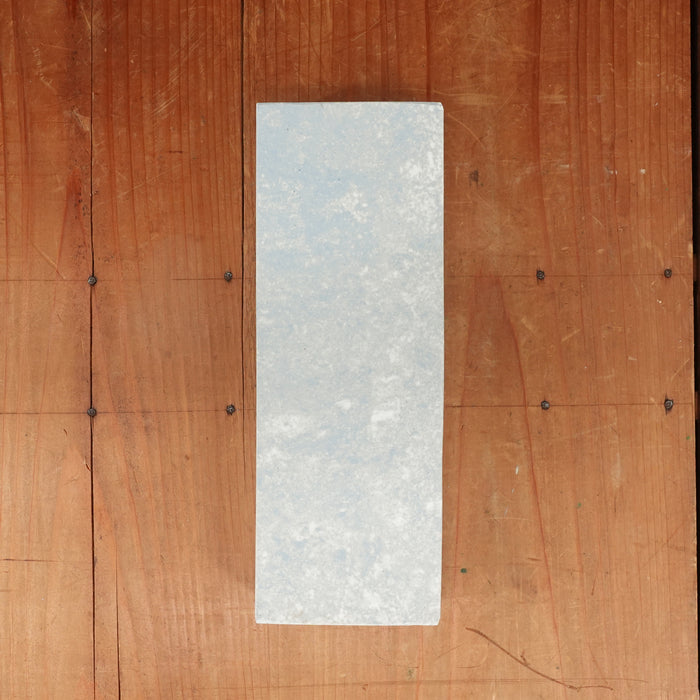
Bernal Cutlery Takarazukushi 1200 Grit Blue Marble Semi-Soft Ceramic Japanese Whetstone
- Regular Price
- €67,19
- Sale Price
- €67,19
- Regular Price
-
- Unit Price
- per
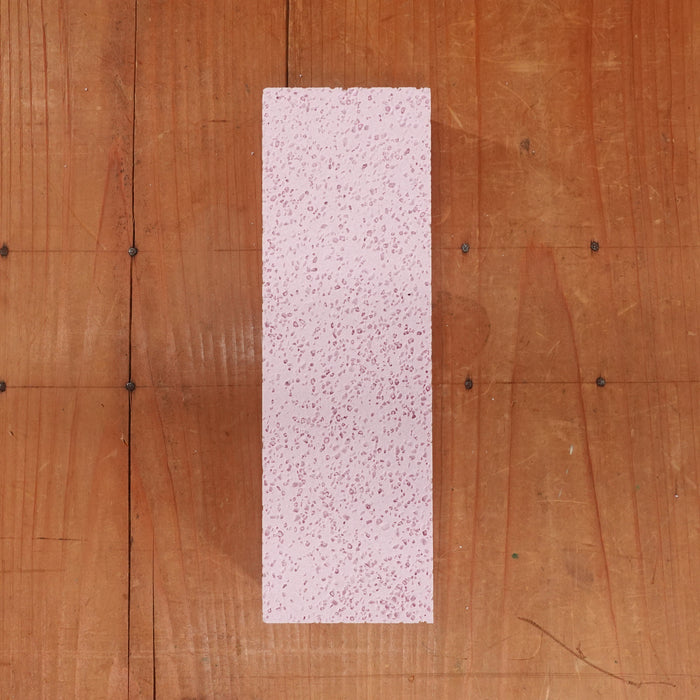
Takarazukushi Porous Ceramic 220 Flattening Stone
- Regular Price
- €36,32
- Sale Price
- €36,32
- Regular Price
-
- Unit Price
- per
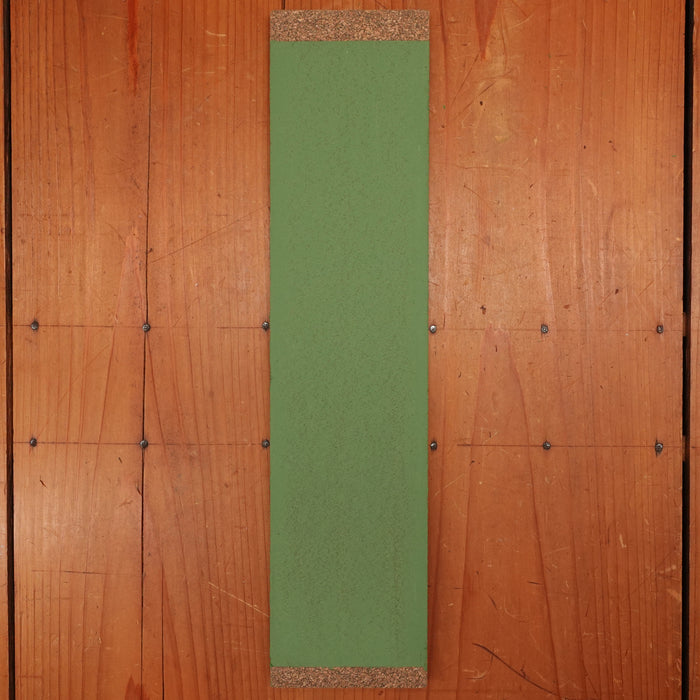
Bernal Cutlery Monodiachrome™ Precharged Deburring Strop
- Regular Price
- €36,32
- Sale Price
- €36,32
- Regular Price
-
- Unit Price
- per


Bernal Cutlery Monodiachrome Precharged Microfiber Strop
- Regular Price
- €68,09
- Sale Price
- €68,09
- Regular Price
-
- Unit Price
- per
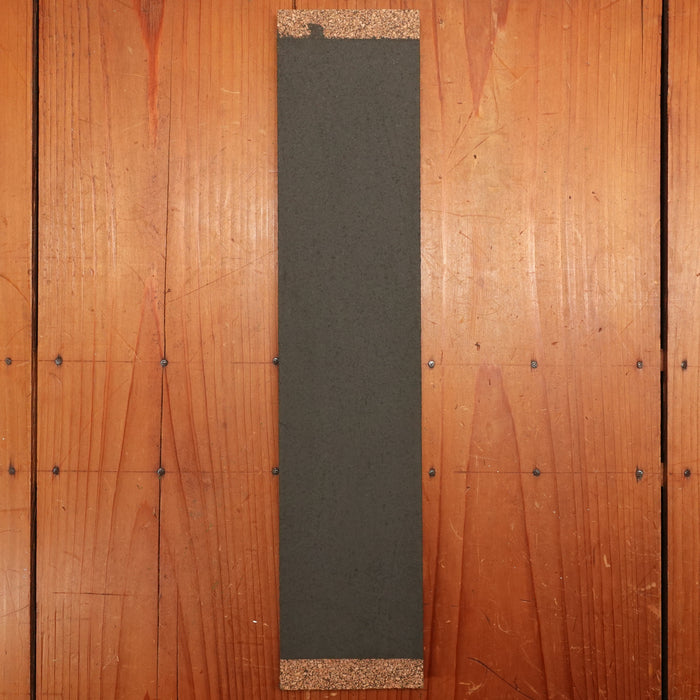
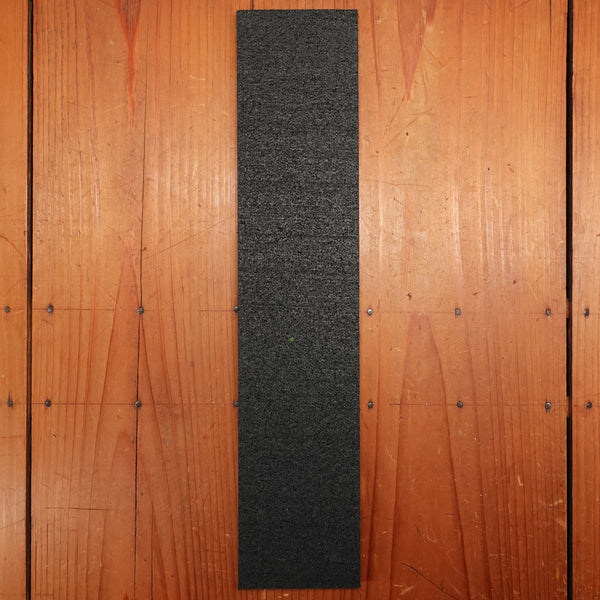
Bernal Cutlery Vanadium Carbide Precharged Abrasive Strop
- Regular Price
- €31,78
- Sale Price
- €31,78
- Regular Price
-
- Unit Price
- per
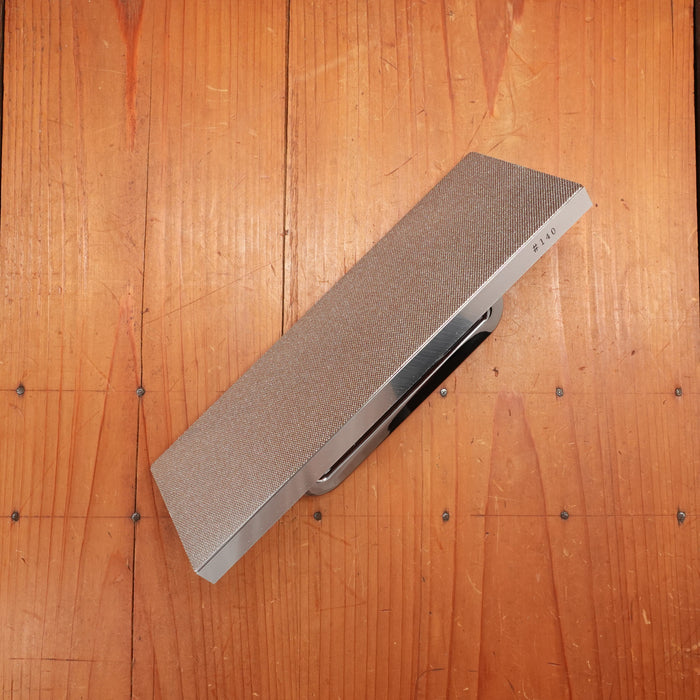
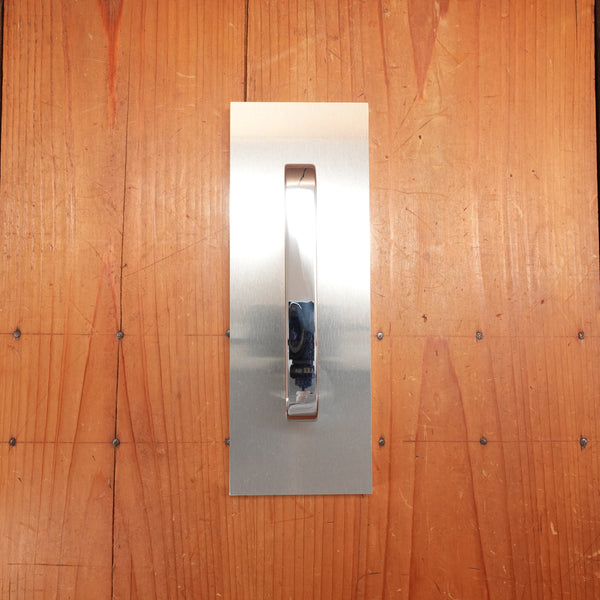
Atoma #140 Diamond Stone With Handle
- Regular Price
- €145,27
- Sale Price
- €145,27
- Regular Price
-
- Unit Price
- per
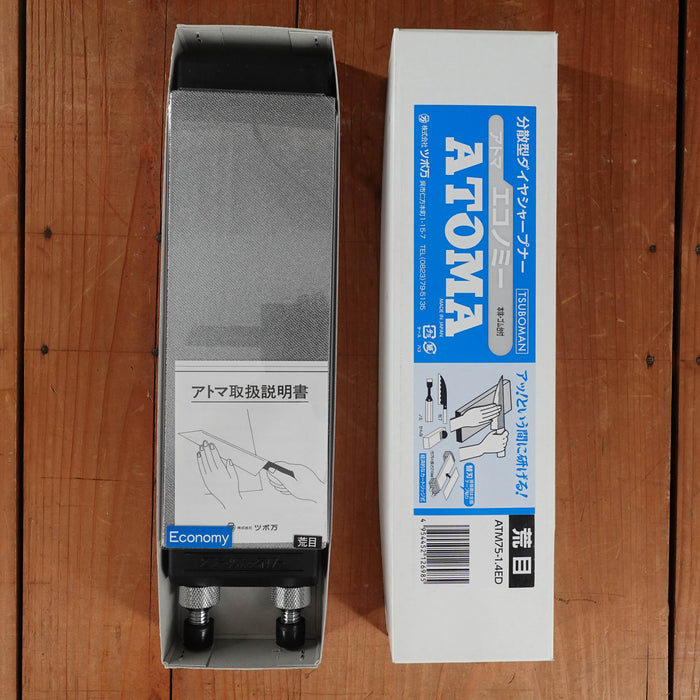
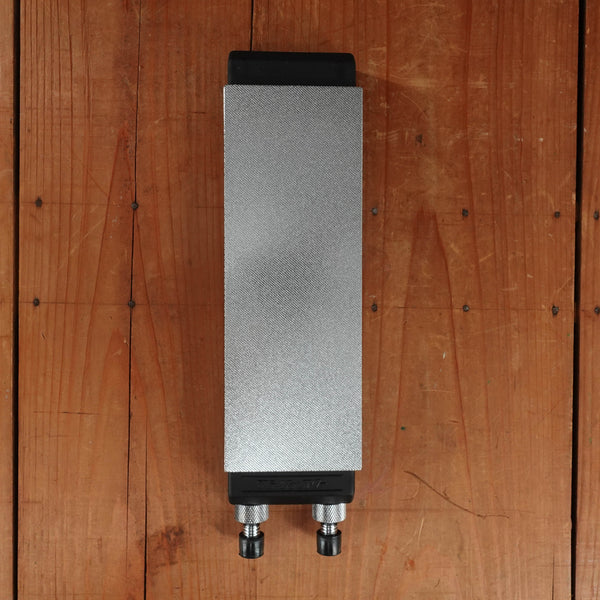
Atoma #140 Diamond Stone with Holder
- Regular Price
- €116,21
- Sale Price
- €116,21
- Regular Price
-
- Unit Price
- per
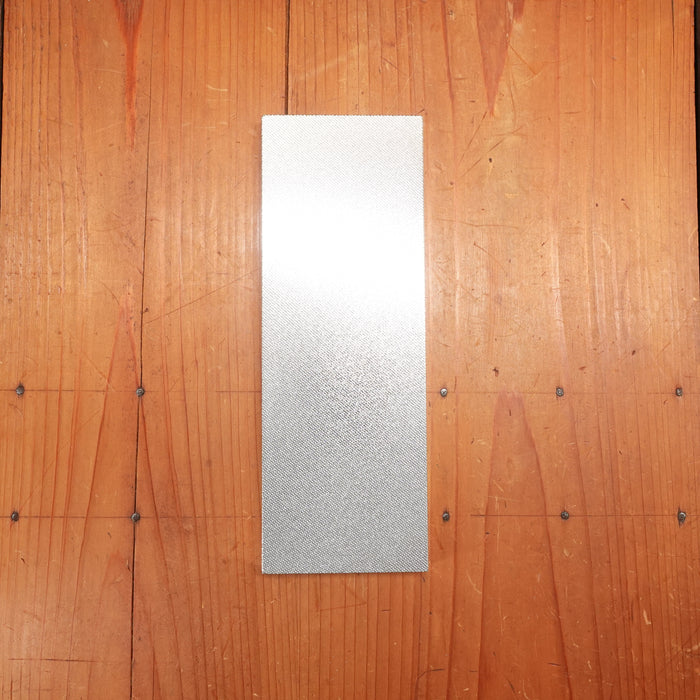
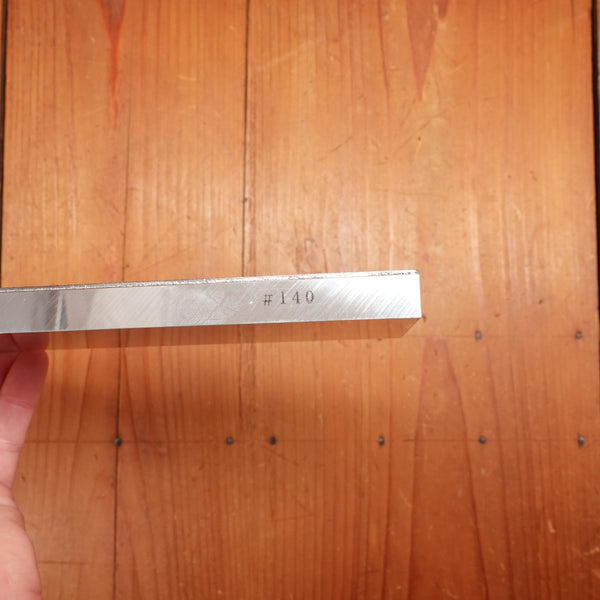
Atoma #140 Diamond Stone No Holder
- Regular Price
- €95,33
- Sale Price
- €95,33
- Regular Price
-
- Unit Price
- per


Atoma #140 Diamond Stone (Replacement)
- Regular Price
- €72,63
- Sale Price
- €72,63
- Regular Price
-
- Unit Price
- per