


Tosa 135mm Petty Kurouchi Stainless Clad Aogami 1 Octagonal Red Sandalwood Pakka
-
Regular Price
-
€131,21
-
Sale Price
-
€131,21
-
Regular Price
-
Sold Out
-
Unit Price
- per
- Regular Price
- €131,21
- Sale Price
- €131,21
- Regular Price
- Unit Price
- per
Hand forged stainless clad aogami 1 with red sandalwood and octagonal pakka ferrule handle
Free forged from bar stock rather than from pre-laminate, these have been forged fairly thin with a nice taper. The aogami 1 steel core works well at a fine finish from 4k to 8k synthetic stones and many natural stones. The stainless cladding adds ease of use and less reactivity with food.
Hand forged knives from the Tosa area of Shikoku Island, Japan's least populated island, with a long history of smithing. Shikoku's thick forests, agriculture and fisheries have led to a local style of smithing that is characterized by rustic free forged knives and tools. Many Tosa knives are ryoba-style, forged and ground symmetrically, and suitable for both right- and left-hand users.
This is a stainless clad reactive carbon steel. It should be mentioned that extra care is required, as only the cladding of the blade is stainless and should be dried immediately after use. The core will develop a dark patina with usage, but any orange rust should be removed with a light abrasive.
About This Knife


Petty

Total Length: 268mm
Edge Length: 138mm
Heel Height: 32mm
Spine Thickness: 2.74mm
Weight:
Orientation: Ambidextrous
Steel Type: Aogami 1 (Blue Paper #1)
Steel Hardness (HRC):
Maintenance: Less Attention
Handle Type: Japanese (wa)
Handle Material: Red Sandalwood with Pakka Ferrule
About
Dive Deeper
Medium-Fine finish - Japanese
Sharpening Supplies
Stones & Accessories selected specifically for this knife.
Bernal Cutlery Takarazukushi 320 WA/800 Cobalt Combination Grit Japanese Whetstone
- Regular Price
- €74,20
- Sale Price
- €74,20
- Regular Price
-
- Unit Price
- per
Bernal Cutlery Takarazukushi 500 Grit Soft & Fast Ceramic Japanese Whetstone
- Regular Price
- €41,63
- Sale Price
- €41,63
- Regular Price
-
- Unit Price
- per
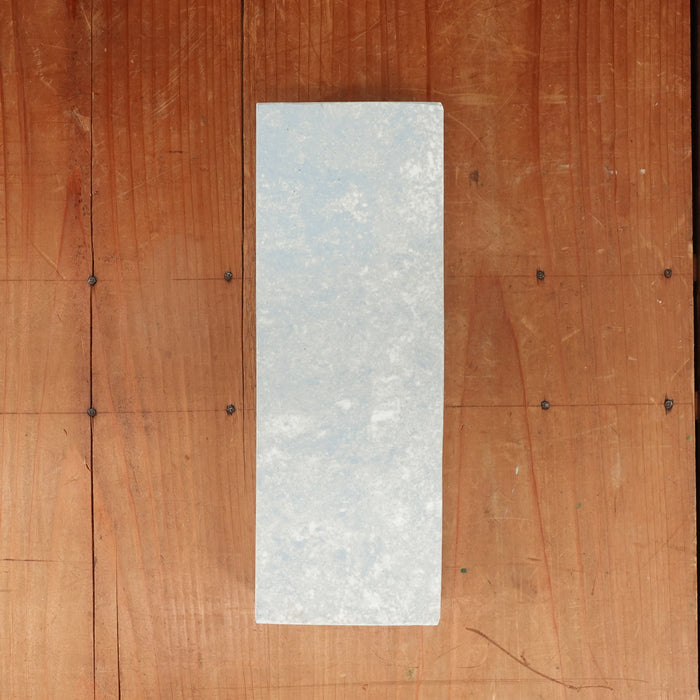
Bernal Cutlery Takarazukushi 1200 Grit Blue Marble Semi-Soft Ceramic Japanese Whetstone
- Regular Price
- €66,96
- Sale Price
- €66,96
- Regular Price
-
- Unit Price
- per
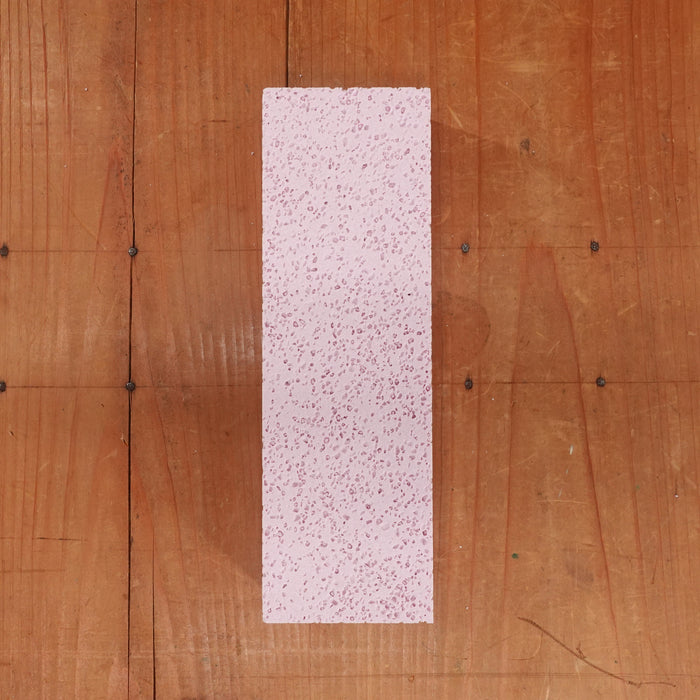
Takarazukushi Porous Ceramic 220 Flattening Stone
- Regular Price
- €36,20
- Sale Price
- €36,20
- Regular Price
-
- Unit Price
- per
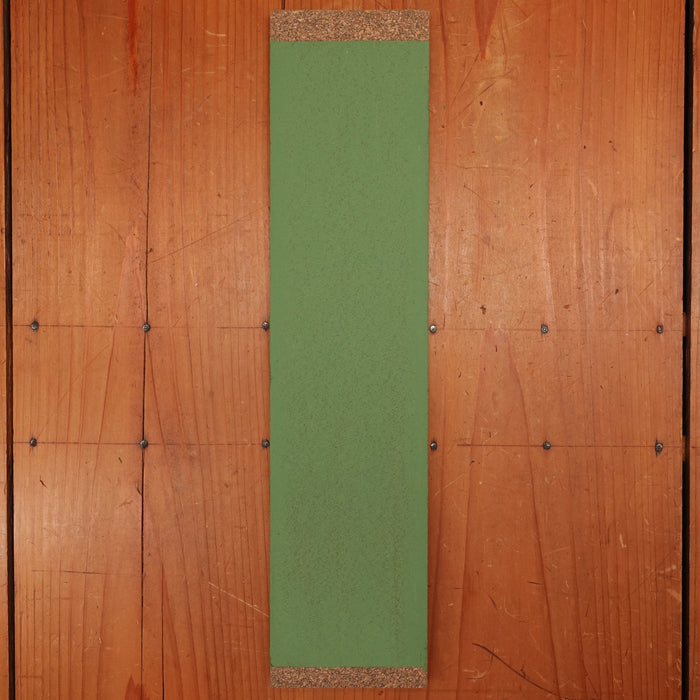
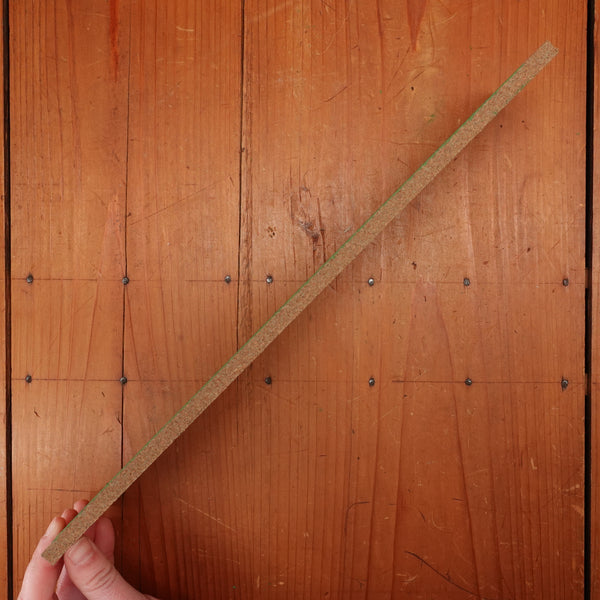
Bernal Cutlery Monodiachrome™ Precharged Deburring Strop
- Regular Price
- €36,20
- Sale Price
- €36,20
- Regular Price
-
- Unit Price
- per


Bernal Cutlery Monodiachrome Precharged Microfiber Strop
- Regular Price
- €67,87
- Sale Price
- €67,87
- Regular Price
-
- Unit Price
- per
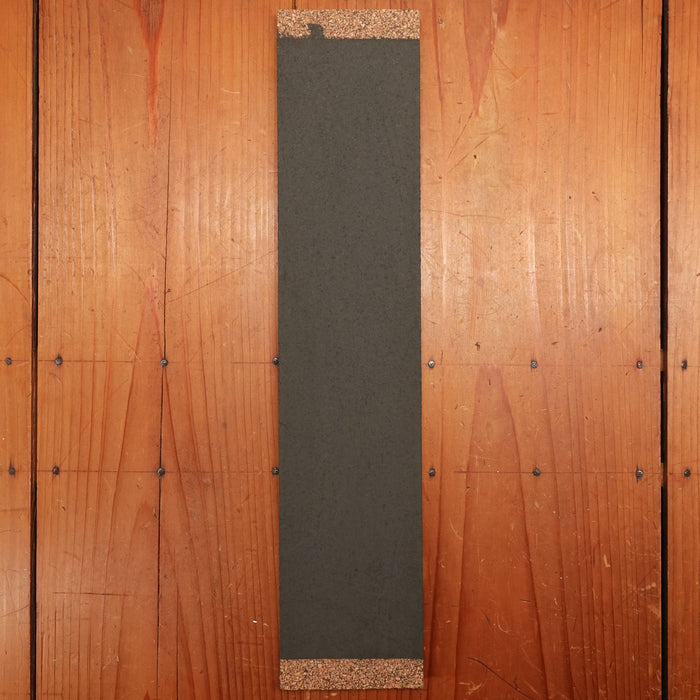
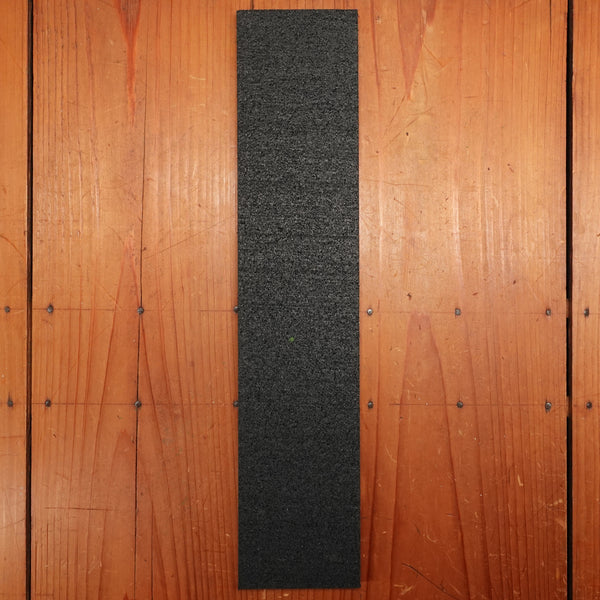
Bernal Cutlery Vanadium Carbide Precharged Abrasive Strop
- Regular Price
- €31,67
- Sale Price
- €31,67
- Regular Price
-
- Unit Price
- per
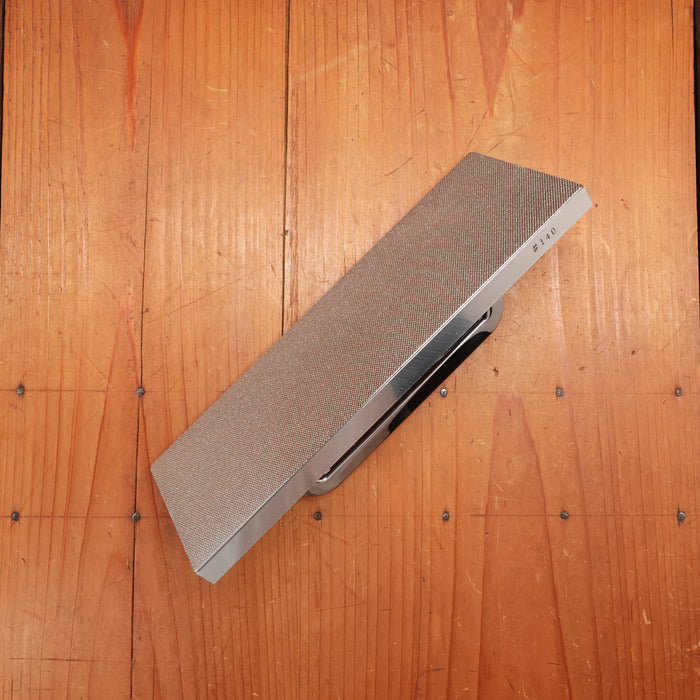
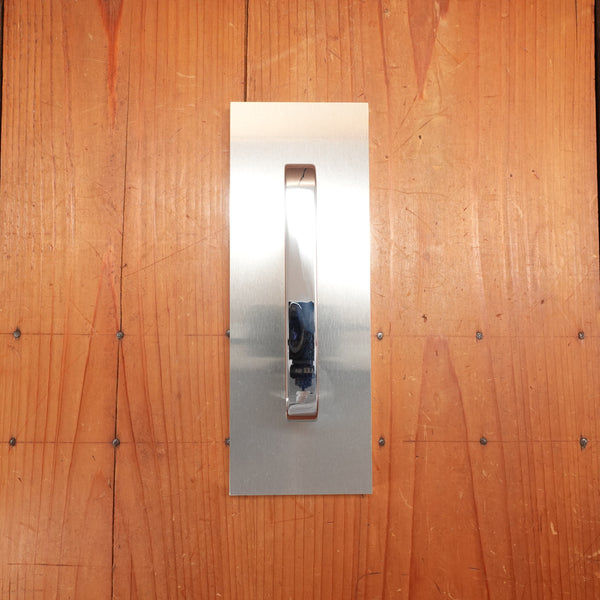
Atoma #140 Diamond Stone With Handle
- Regular Price
- €144,78
- Sale Price
- €144,78
- Regular Price
-
- Unit Price
- per
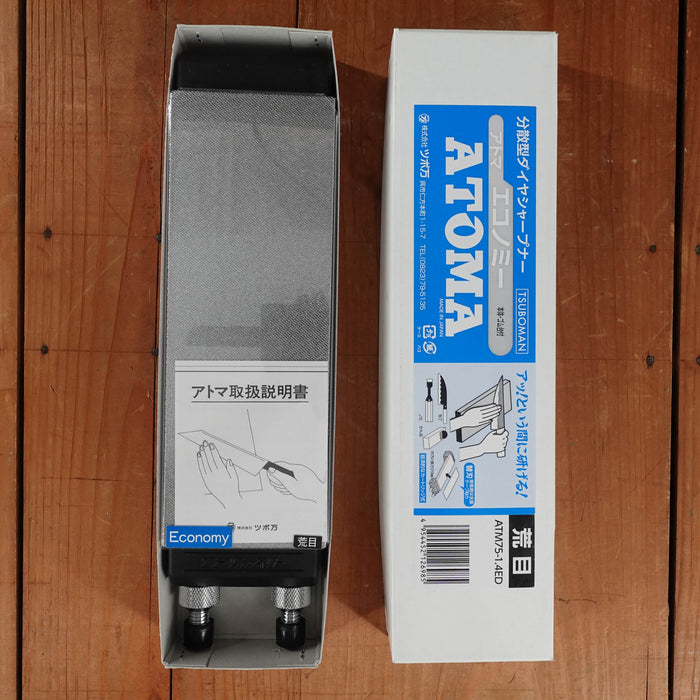
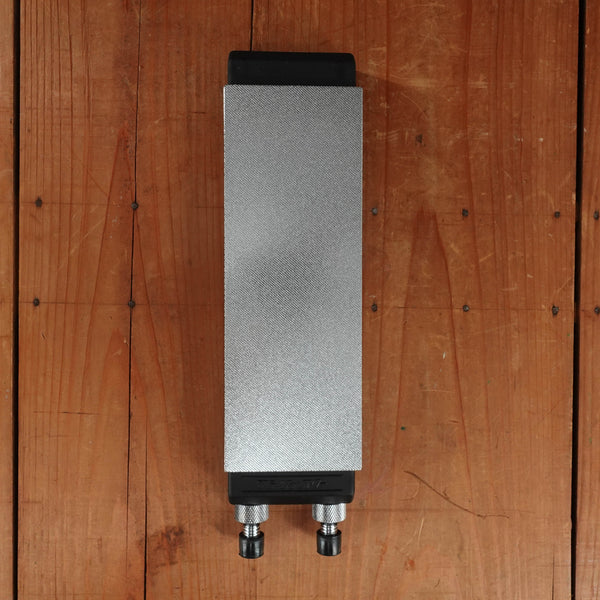
Atoma #140 Diamond Stone with Holder
- Regular Price
- €115,83
- Sale Price
- €115,83
- Regular Price
-
- Unit Price
- per
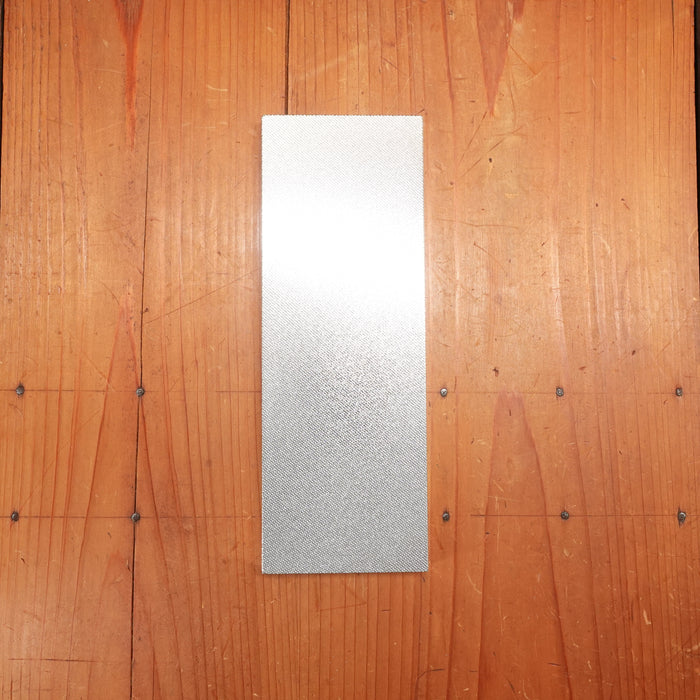
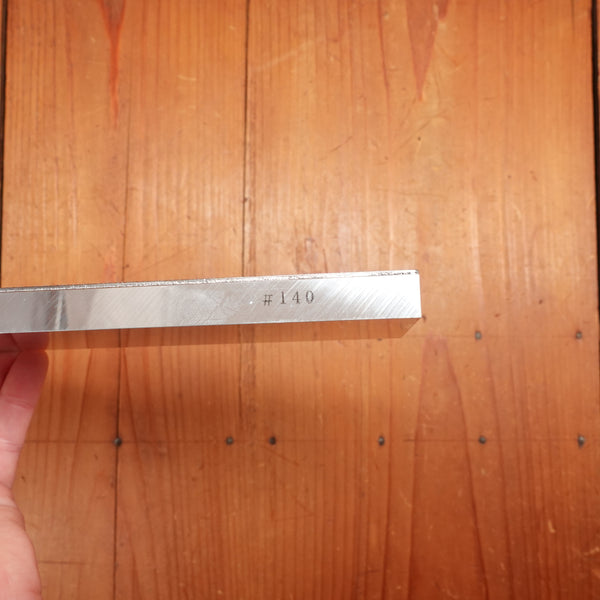
Atoma #140 Diamond Stone No Holder
- Regular Price
- €95,01
- Sale Price
- €95,01
- Regular Price
-
- Unit Price
- per


Atoma #140 Diamond Stone (Replacement)
- Regular Price
- €72,39
- Sale Price
- €72,39
- Regular Price
-
- Unit Price
- per