


Trade In Kikuichi 210mm Gyuto INOX Ho
-
Regular Price
-
€201,03
-
Sale Price
-
€201,03
-
Regular Price
-
Sold Out
-
Unit Price
- per
- Regular Price
- €201,03
- Sale Price
- €201,03
- Regular Price
- Unit Price
- per
Trade in gyuto in great condition without original packaging. This convex stainless steel blade appears to be made in collaboration with the Kanenaga workshop in Seki, Japan, likely produced in the late 1990s to early 2000s during Kikuichi’s early stainless export period.
The convex grind and thin edge makes it a more nimble knife that Kikuichi's current production knives. The knife came in with some tip and heel damage but these have since been resolved.
About This Knife


Listed Length: 210mm
Total Length: 384mm
Edge Length: 233mm
Heel Height: 47mm
Spine Thickness: 2.2mm
Weight:
Orientation: Right-hand Bias
Blade Type:
Steel Type:
Steel Hardness (HRC):
Reactive: Less Attention
Handle Type: Japanese (wa)
Handle Material: Magnolia (Ho) & Horn
Dive Deeper
Medium-Fine finish - Japanese
Sharpening Supplies
Stones & Accessories selected specifically for this knife.
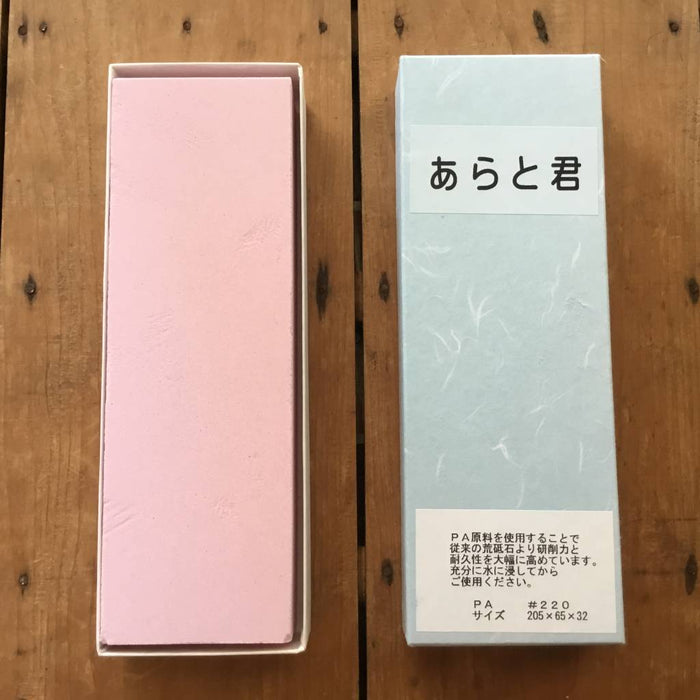
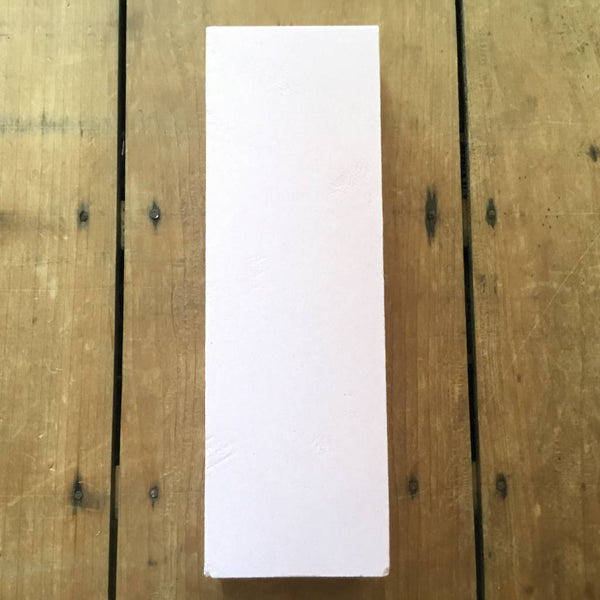
Arato-kun #220 Extra Coarse Grit Whetstone
- Regular Price
- €44,67
- Sale Price
- €44,67
- Regular Price
-
- Unit Price
- per
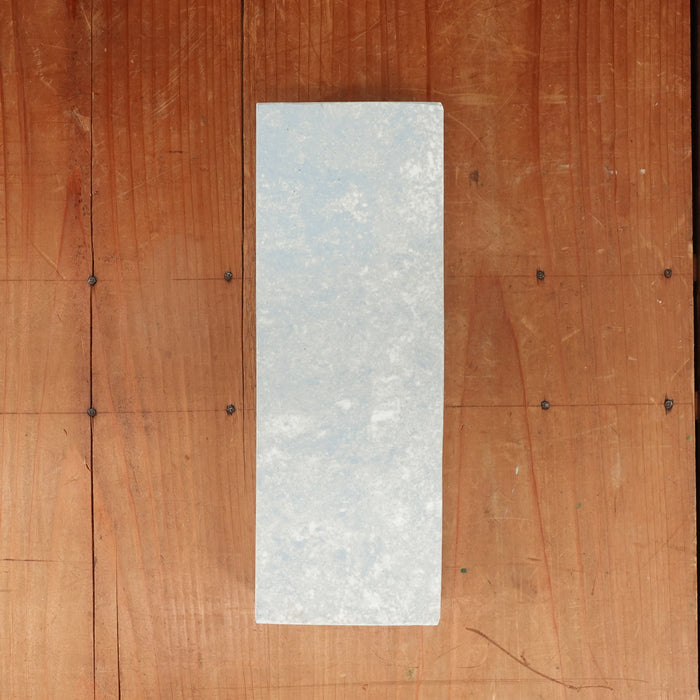
Bernal Cutlery Takarazukushi 1200 Grit Blue Marble Semi-Soft Ceramic Japanese Whetstone
- Regular Price
- €66,12
- Sale Price
- €66,12
- Regular Price
-
- Unit Price
- per
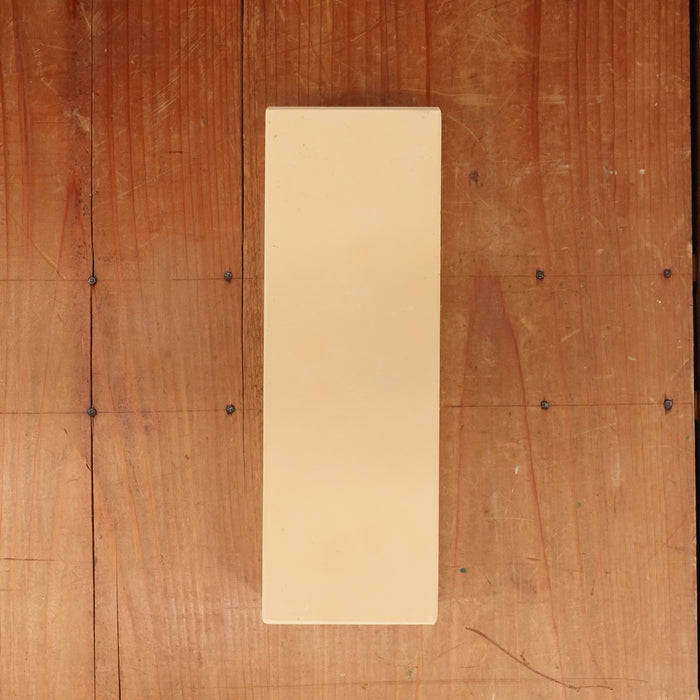
Bernal Cutlery Takarazukushi 4000 Grit Yellow Semi-Hard Resinoid Japanese Whetstone
- Regular Price
- €73,26
- Sale Price
- €73,26
- Regular Price
-
- Unit Price
- per
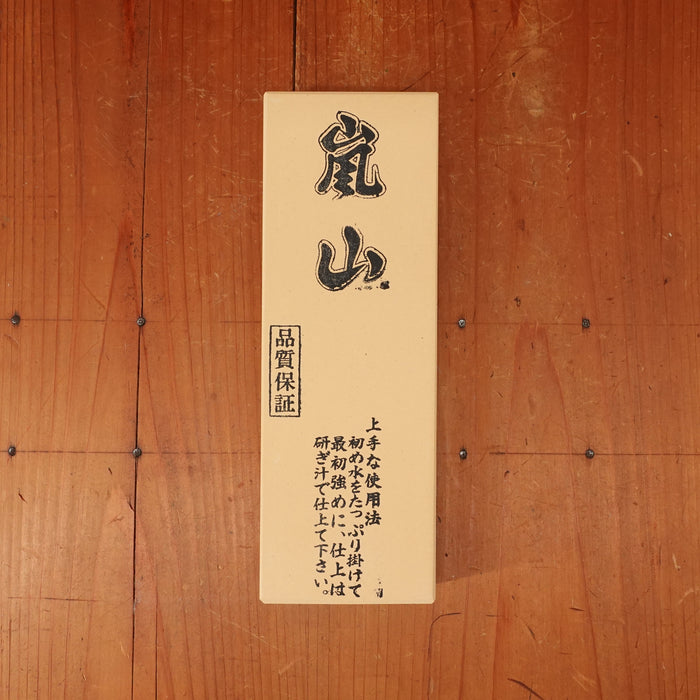
Arashiyama #6000 Whetstone Stone NO Wooden Base
- Regular Price
- €51,82
- Sale Price
- €51,82
- Regular Price
-
- Unit Price
- per
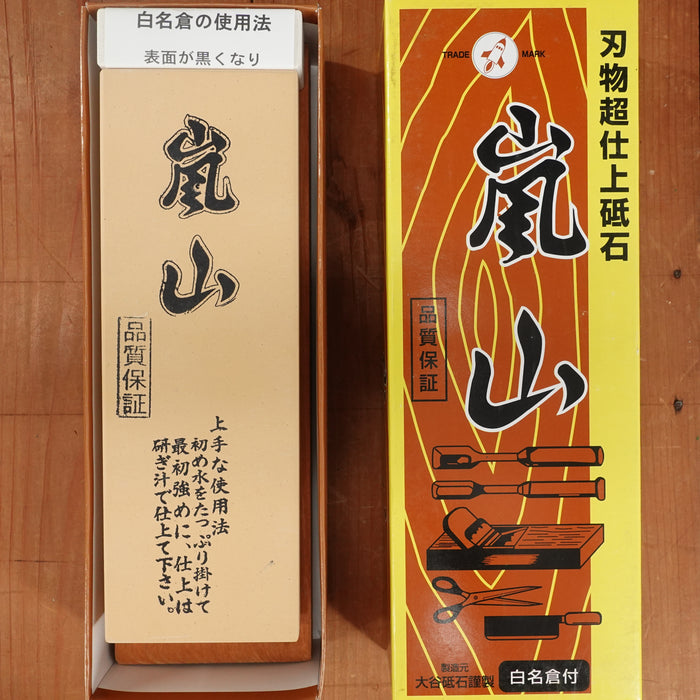
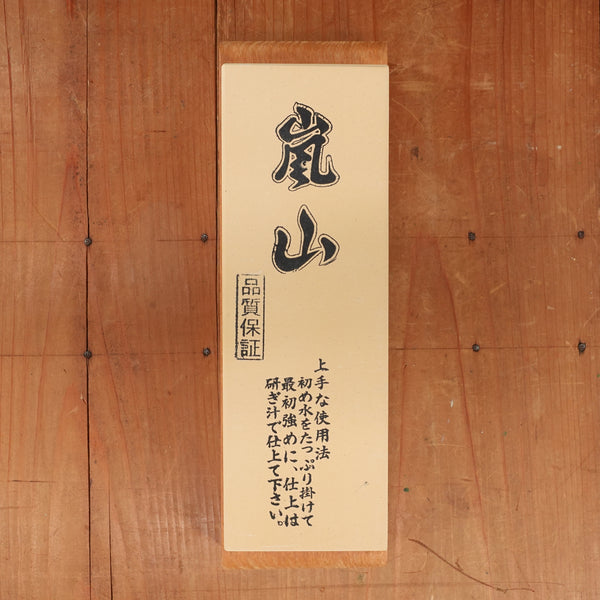
Arashiyama #6000 Whetstone With Nagura Stone and Wooden Base
- Regular Price
- €60,76
- Sale Price
- €60,76
- Regular Price
-
- Unit Price
- per
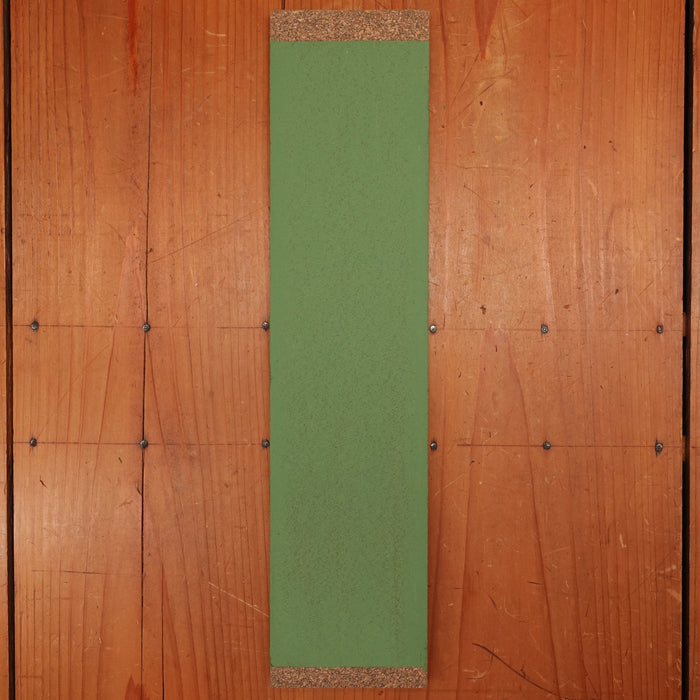
Bernal Cutlery Monodiachrome™ Precharged Deburring Strop
- Regular Price
- €35,74
- Sale Price
- €35,74
- Regular Price
-
- Unit Price
- per