


Hatsukokoro Hayabusa 150mm Honesuki Kaku HAP40 Walnut Handle
-
Regular Price
-
£182.32
-
Sale Price
-
£182.32
-
Regular Price
-
Sold Out
-
Unit Price
- per
- Regular Price
- £182.32
- Sale Price
- £182.32
- Regular Price
- Unit Price
- per
We are happy to have these high performance knives from Hayabusa in our lineup, great for busy professionals and home cooks who are looking for long edge life and can look after a moderately non stainless knife.
These knives have a stainless cladding over a high alloy HAP 40 core with a walnut wa-style handle. The core can rust if left wet or with food on it so please dry off after use and washing, with use over time it will develop a dark patina.
HAP 40 made by Hitachi's Yasugi Specialty Steels is a high alloy powder metal with exceptionally excellent edge holding and toughness. HAP 40 is not a stainless alloy but rusts slowly given it's rich alloy composition, sometimes referred to as 'semi-stainless'.
About This Knife


Kaku

Total Length: 285
Edge Length: 150mm
Heel Height: 39mm
Spine Thickness: 2mm
Weight:
Orientation: Ambidextrous
Steel Type: HAP40
Steel Hardness (HRC): 65-67
Maintenance: Some Attention
Handle Type: Japanese (wa)
Handle Material: Walnut Buffalo Horn Ferrule Octagonal
Dive Deeper
Medium-Fine finish - Japanese
Sharpening Supplies
Stones & Accessories selected specifically for this knife.
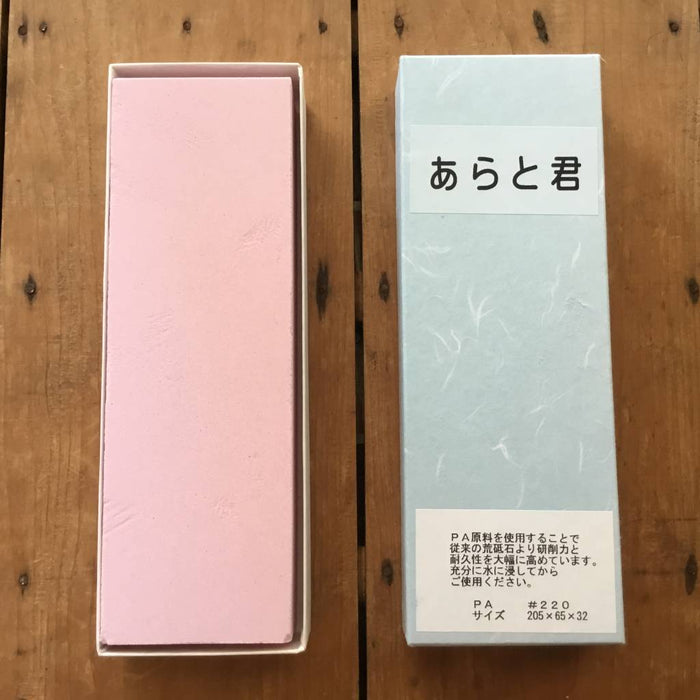
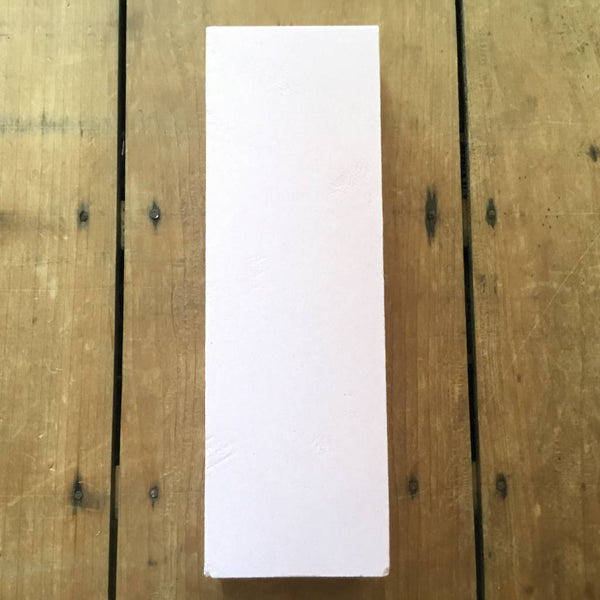
Arato-kun #220 Extra Coarse Grit Whetstone
- Regular Price
- £37.98
- Sale Price
- £37.98
- Regular Price
-
- Unit Price
- per
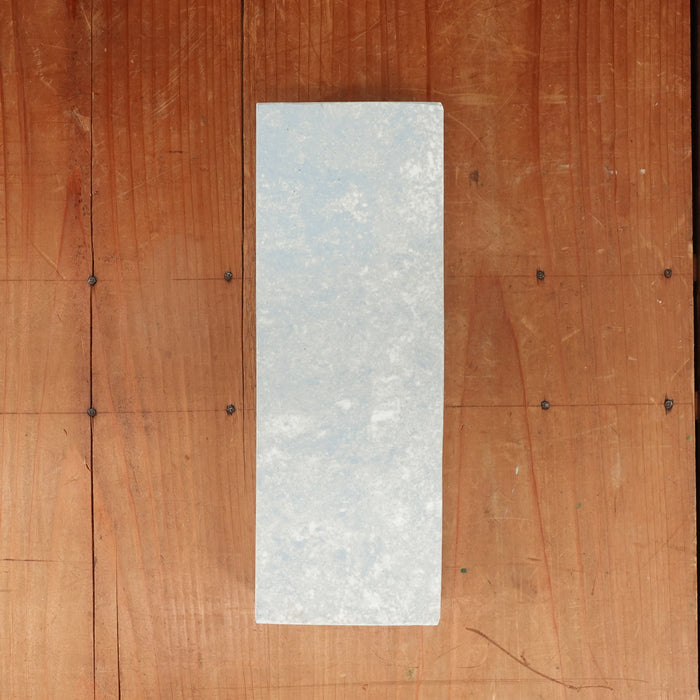
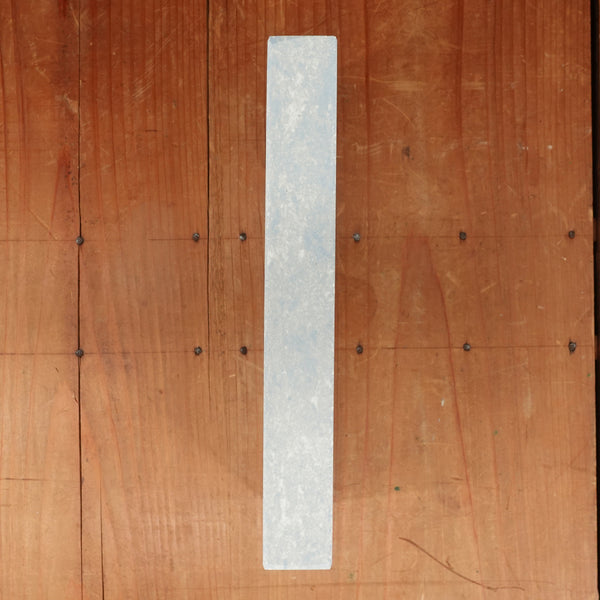
Bernal Cutlery Takarazukushi 1200 Grit Blue Marble Semi-Soft Ceramic Japanese Whetstone
- Regular Price
- £56.22
- Sale Price
- £56.22
- Regular Price
-
- Unit Price
- per
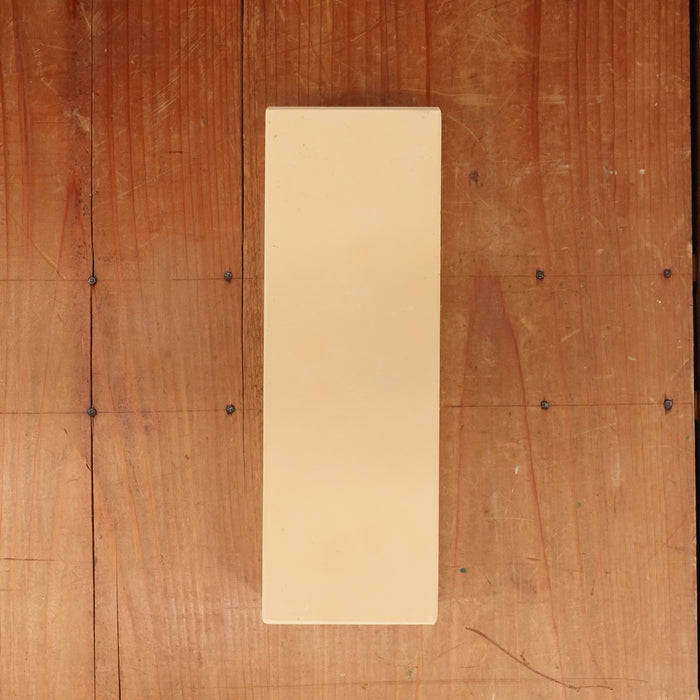
Bernal Cutlery Takarazukushi 4000 Grit Yellow Semi-Hard Resinoid Japanese Whetstone
- Regular Price
- £62.29
- Sale Price
- £62.29
- Regular Price
-
- Unit Price
- per
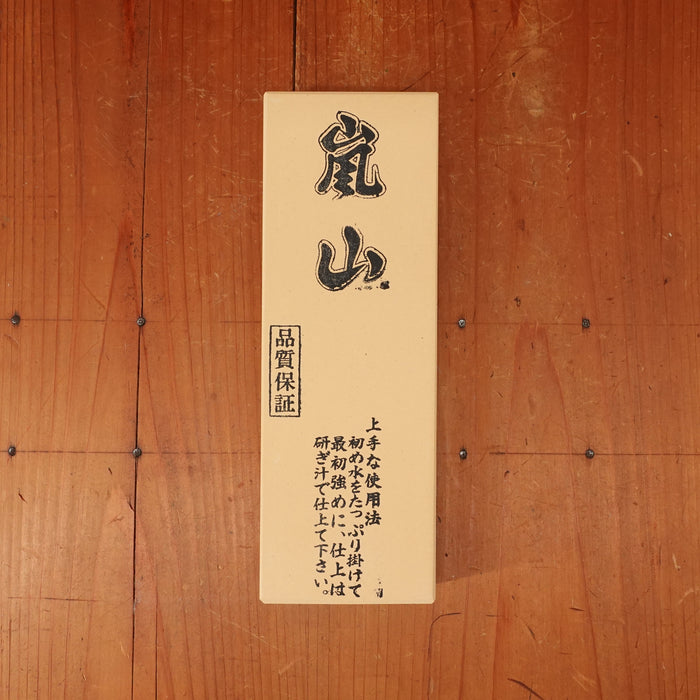
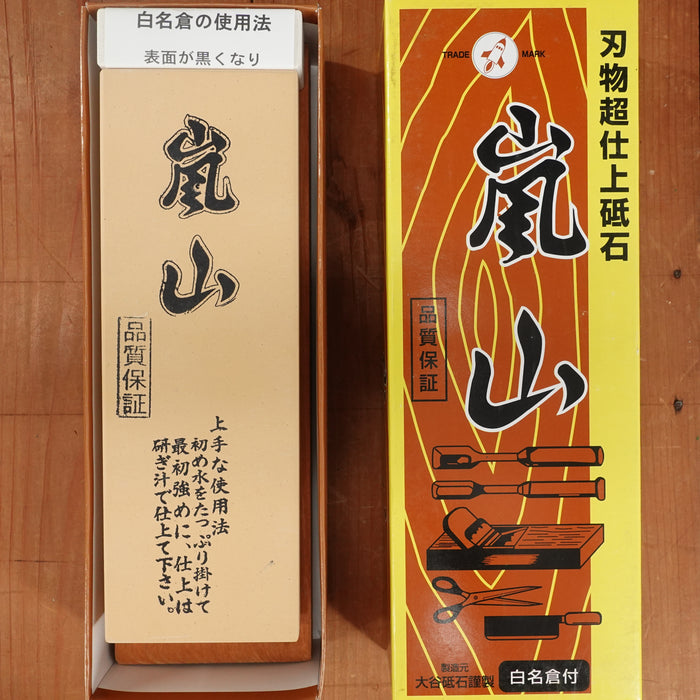
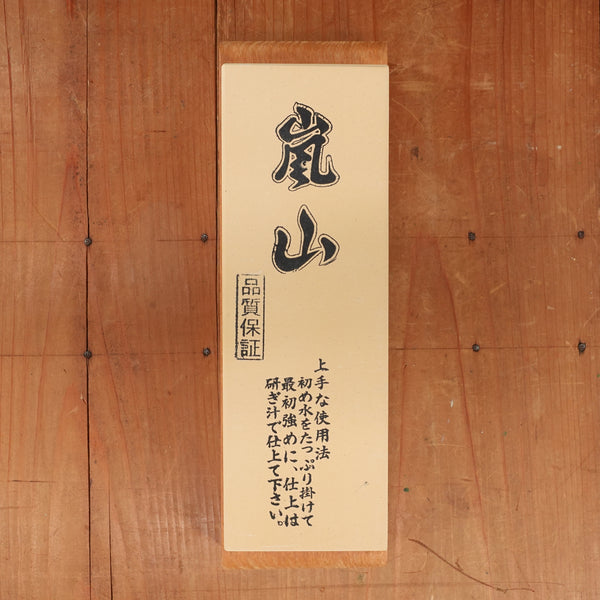
Arashiyama #6000 Whetstone Stone NO Wooden Base
- Regular Price
- £44.06
- Sale Price
- £44.06
- Regular Price
-
- Unit Price
- per
Arashiyama #6000 Whetstone With Nagura Stone and Wooden Base
- Regular Price
- £51.66
- Sale Price
- £51.66
- Regular Price
-
- Unit Price
- per
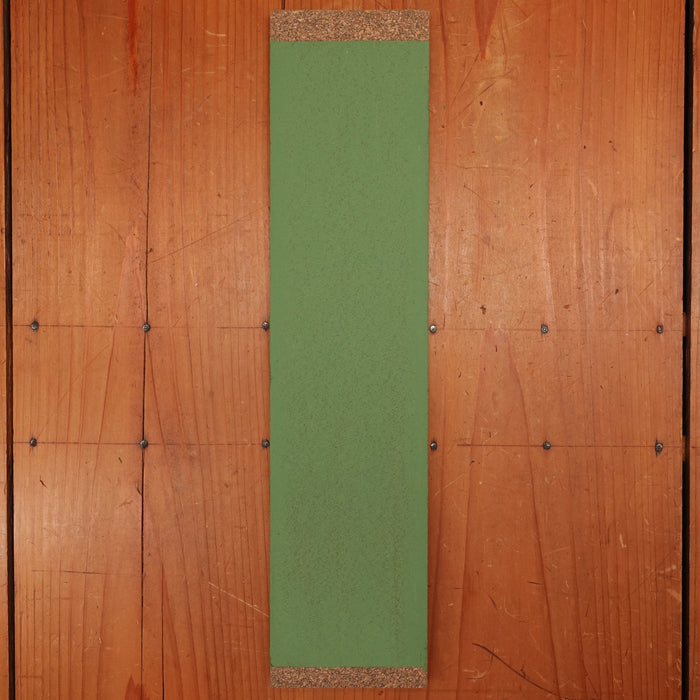
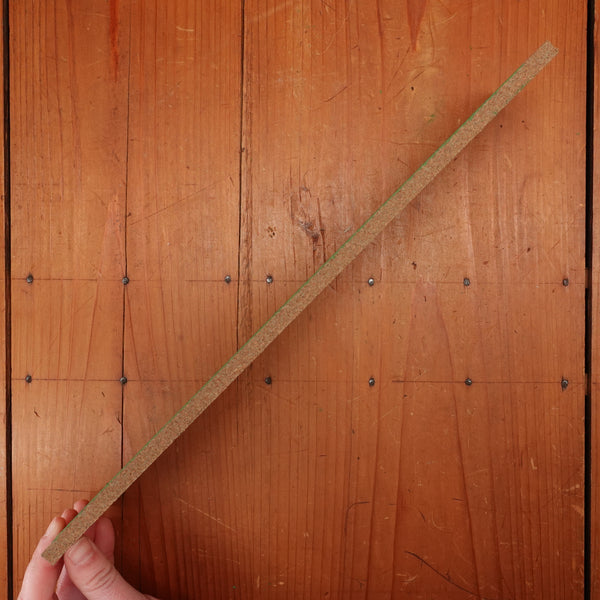
Bernal Cutlery Monodiachrome™ Precharged Deburring Strop
- Regular Price
- £30.39
- Sale Price
- £30.39
- Regular Price
-
- Unit Price
- per


HAP40
