


Kudo Hamono 180mm Kiritsuke Santoku Aogami Super Kurouchi Tsuchime
-
Regular Price
-
£365.05
-
Sale Price
-
£365.05
-
Regular Price
-
Sold Out
-
Unit Price
- per
- Regular Price
- £365.05
- Sale Price
- £365.05
- Regular Price
- Unit Price
- per
Kudo Hamono 180mm kiritsuke santoku. Aogami super carbon steel core with stainless cladding and a kurouchi tsuchime (hammer-marked) finish. Octagonal walnut handle with a red pakka wood ferrule.
Kudo Hamono is based in Sapporo, Hokkaido. These knives are ground with thin, wide bevels.
Aogami super is famous for its edge duration. It holds its peak sharpness well, but really gets its duration from its ability to keep cutting as it dulls: the tungsten and vanadium in its alloy give it a toothy cutting feel as the edge wears.
It should be mentioned that extra care is required. The aogami super core is not stainless and should be dried immediately after use. It will develop a dark patina with use, but any orange rust should be removed with a light abrasive.
When cared for properly, the kurouchi will gradually fade and be replaced with a patina from use.
About This Knife


Santoku

Total Length: 326mm
Edge Length: 185mm
Heel Height: 56mm
Spine Thickness: 2.93mm
Weight:
Orientation: Ambidextrous
Steel Type: Aogami Super (Blue Super Steel)
Steel Hardness (HRC): 61-62
Maintenance: Less Attention
Handle Type: Japanese (wa)
Handle Material: Octagonal walnut handle with a red pakka wood ferrule

Dive Deeper
Medium-Fine finish - Japanese
Sharpening Supplies
Stones & Accessories selected specifically for this knife.
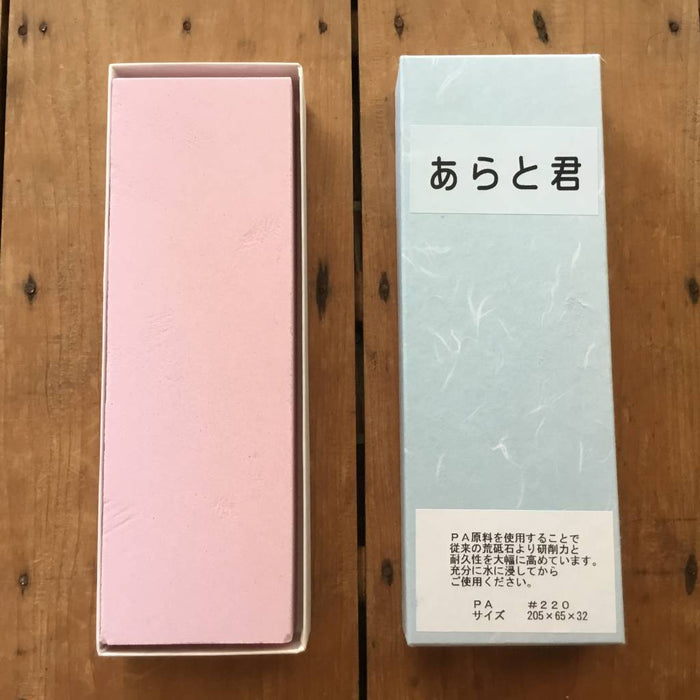
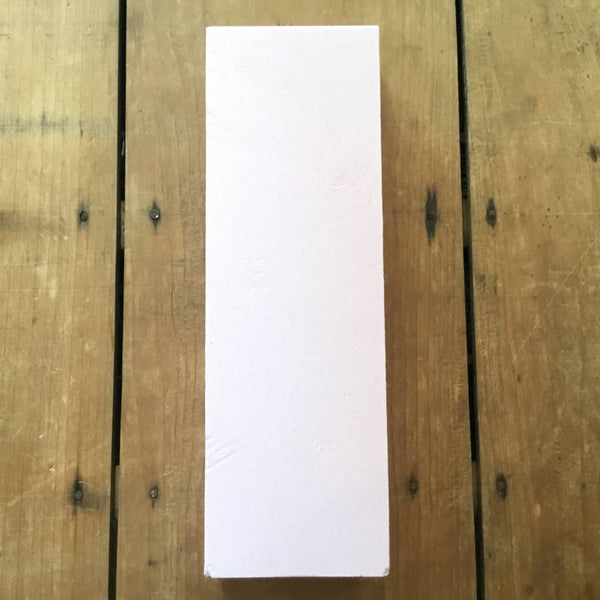
Arato-kun #220 Extra Coarse Grit Whetstone
- Regular Price
- £38.43
- Sale Price
- £38.43
- Regular Price
-
- Unit Price
- per
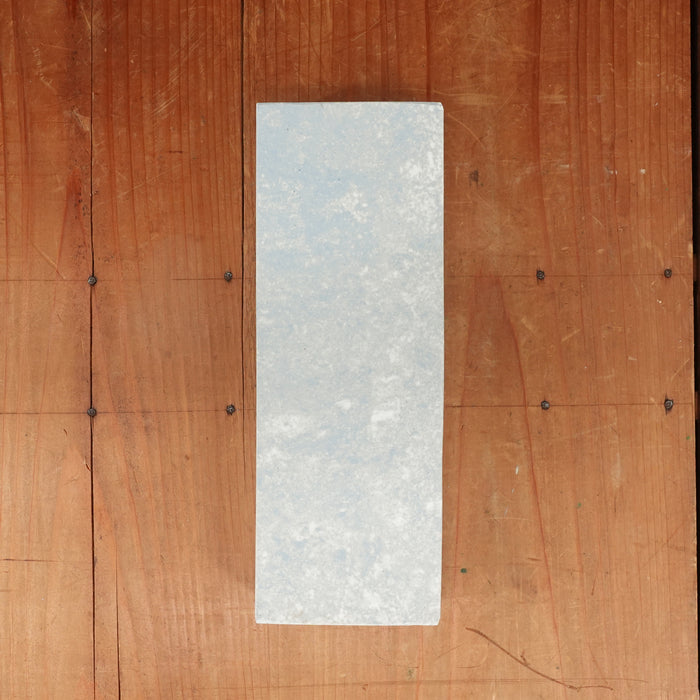
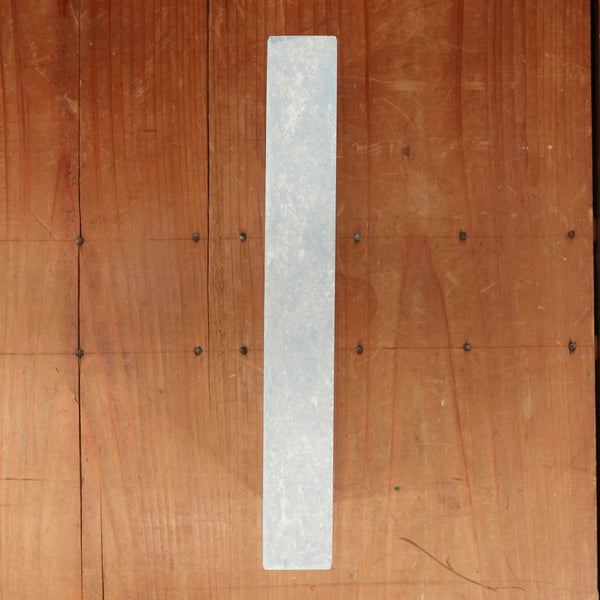
Bernal Cutlery Takarazukushi 1200 Grit Blue Marble Semi-Soft Ceramic Japanese Whetstone
- Regular Price
- £56.87
- Sale Price
- £56.87
- Regular Price
-
- Unit Price
- per
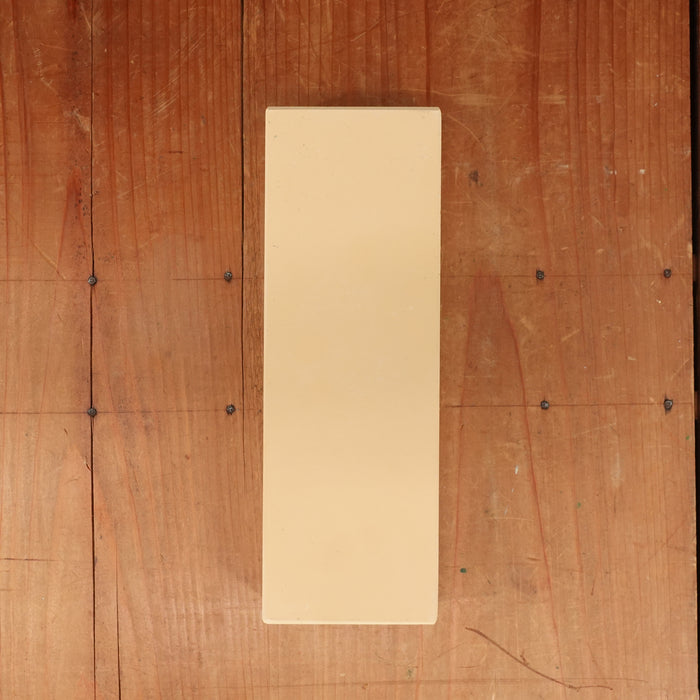
Bernal Cutlery Takarazukushi 4000 Grit Yellow Semi-Hard Resinoid Japanese Whetstone
- Regular Price
- £63.02
- Sale Price
- £63.02
- Regular Price
-
- Unit Price
- per
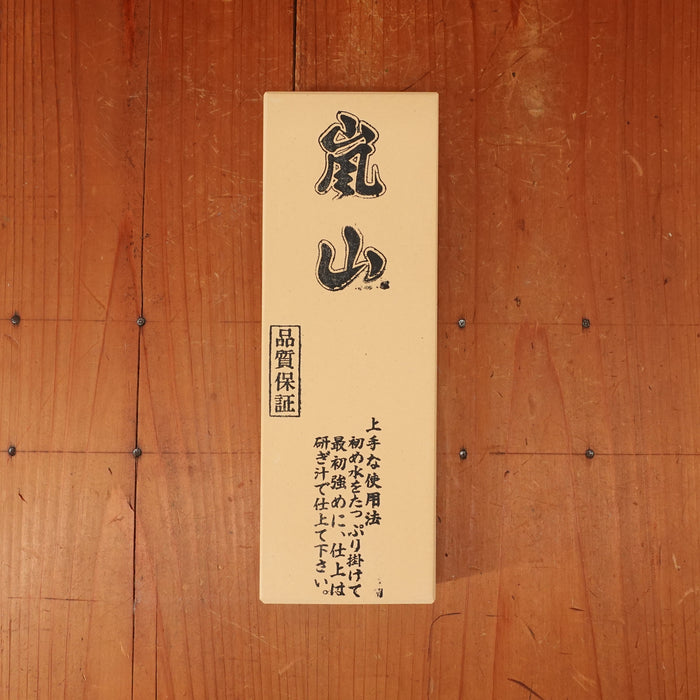
Arashiyama #6000 Whetstone Stone NO Wooden Base
- Regular Price
- £44.57
- Sale Price
- £44.57
- Regular Price
-
- Unit Price
- per
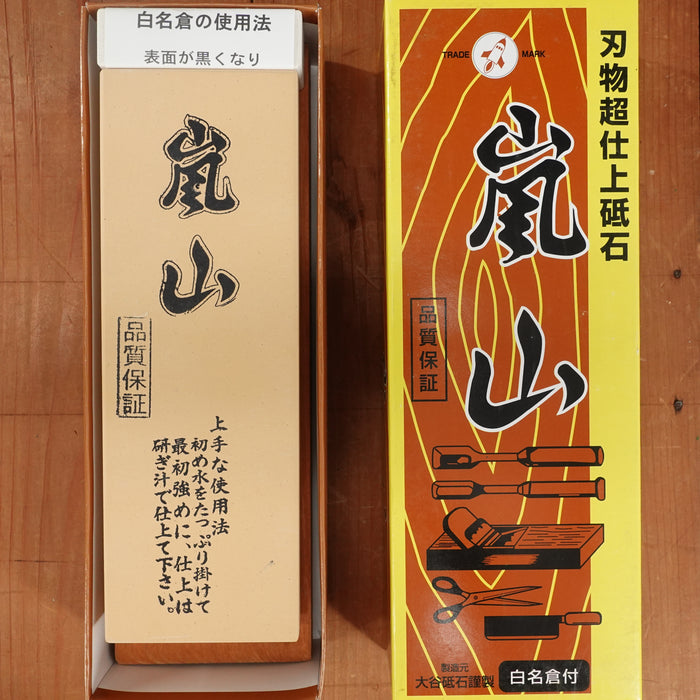
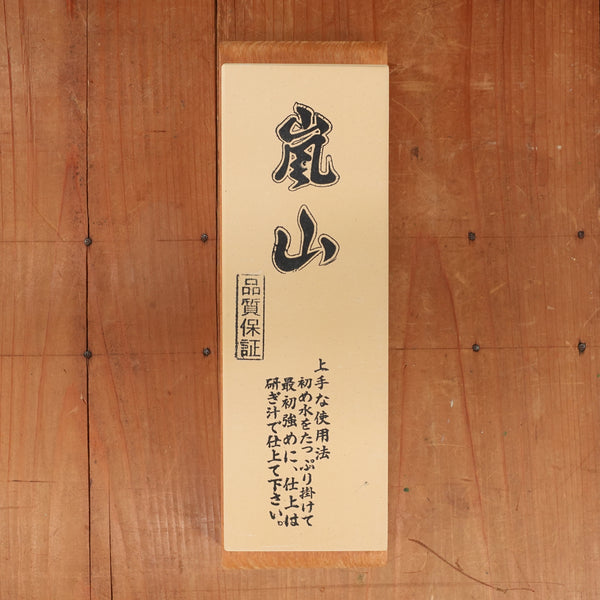
Arashiyama #6000 Whetstone With Nagura Stone and Wooden Base
- Regular Price
- £52.26
- Sale Price
- £52.26
- Regular Price
-
- Unit Price
- per
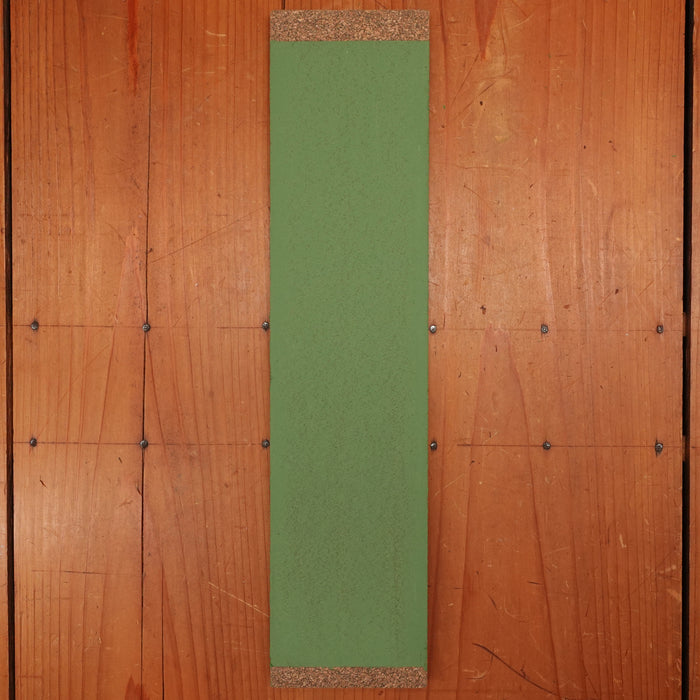
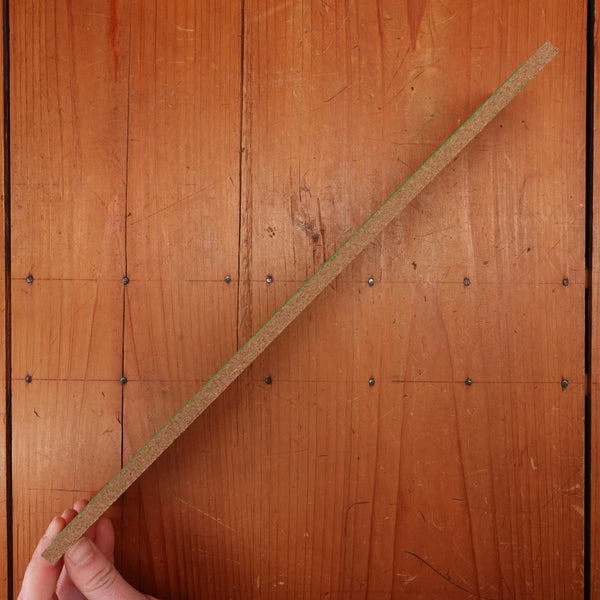
Bernal Cutlery Monodiachrome™ Precharged Deburring Strop
- Regular Price
- £30.74
- Sale Price
- £30.74
- Regular Price
-
- Unit Price
- per