


Nigara Hamono 180mm Santoku SG2 Kurouchi Tsuchime Ebony
-
Regular Price
-
£237.22
-
Sale Price
-
£237.22
-
Regular Price
-
Sold Out
-
Unit Price
- per
- Regular Price
- £237.22
- Sale Price
- £237.22
- Regular Price
- Unit Price
- per
Forged stainless clad SG2 powder metal with hammer marked 'tsuchime cladding and octagonal wenge handle. SG2 takes a very fine edge easily for a stainless steel of its hardness (63/64) and holds it nicely.
Nigara Hamono in Hirosaki City in Aomori Prefecture is a 350 year old metalworking company with
Nigara Hamono is a distinguished Japanese blacksmithing house with a legacy spanning over 350 years. Founded during the early Edo period, the Nigara family began crafting swords for the Tsugaru clan in Hirosaki, Aomori Prefecture. Over eight generations, they have preserved and refined their traditional forging techniques, transitioning from samurai swords to high-performance kitchen knives that are celebrated worldwide.
Under the leadership of Go Yoshizawa, the eighth-generation blacksmith, Nigara Hamono continues to blend time-honored techniques with modern innovations. This dedication has earned them recognition as one of Japan’s premier knife makers.
About This Knife


Santoku

Total Length: 310mm
Edge Length: 169mm
Heel Height: 50mm
Spine Thickness: 2.3mm
Weight:
Orientation: Ambidextrous
Steel Type: SG2 (R2)
Steel Hardness (HRC): undisclosed
Maintenance: Less Attention
Handle Type: Japanese (wa)
Handle Material: Ebony

Dive Deeper
Medium-Fine finish - Japanese
Sharpening Supplies
Stones & Accessories selected specifically for this knife.
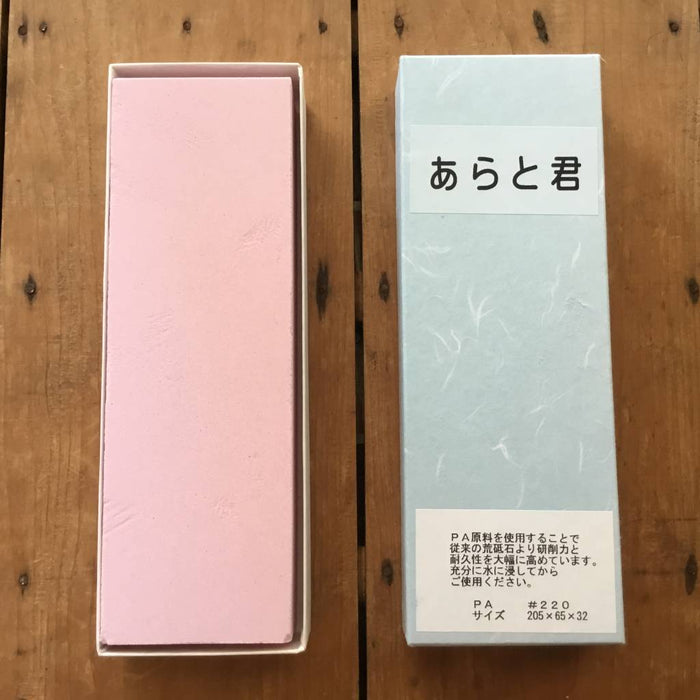
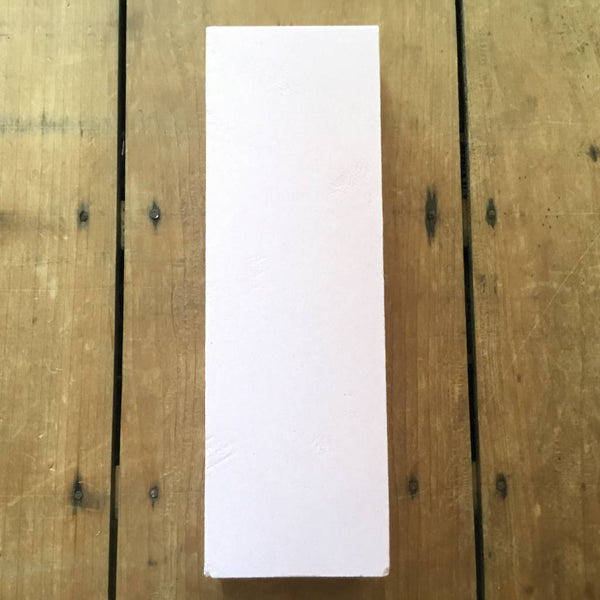
Arato-kun #220 Extra Coarse Grit Whetstone
- Regular Price
- £38.26
- Sale Price
- £38.26
- Regular Price
-
- Unit Price
- per
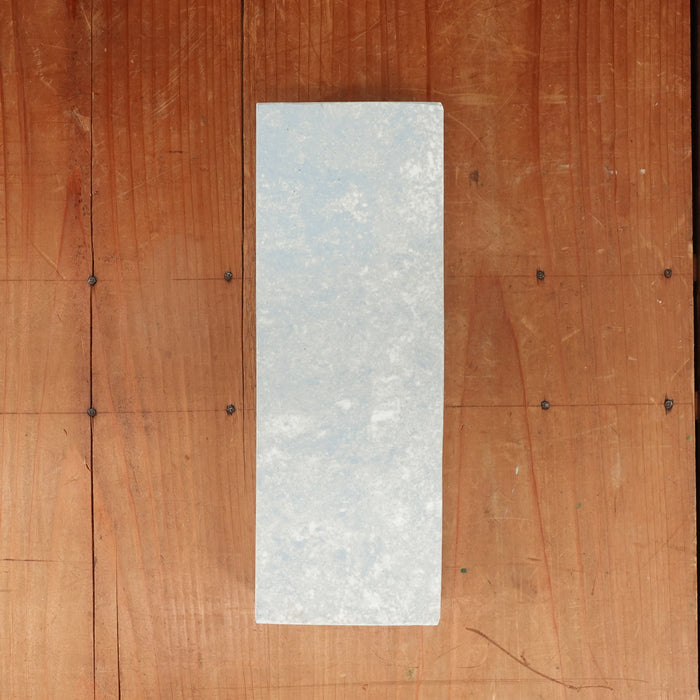
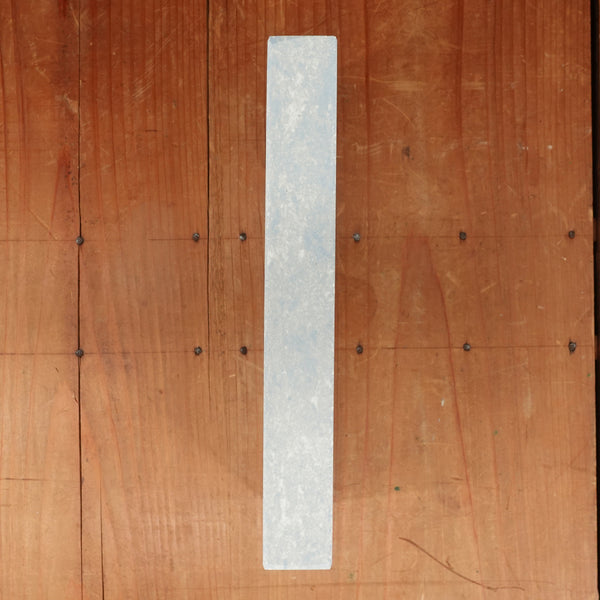
Bernal Cutlery Takarazukushi 1200 Grit Blue Marble Semi-Soft Ceramic Japanese Whetstone
- Regular Price
- £56.63
- Sale Price
- £56.63
- Regular Price
-
- Unit Price
- per
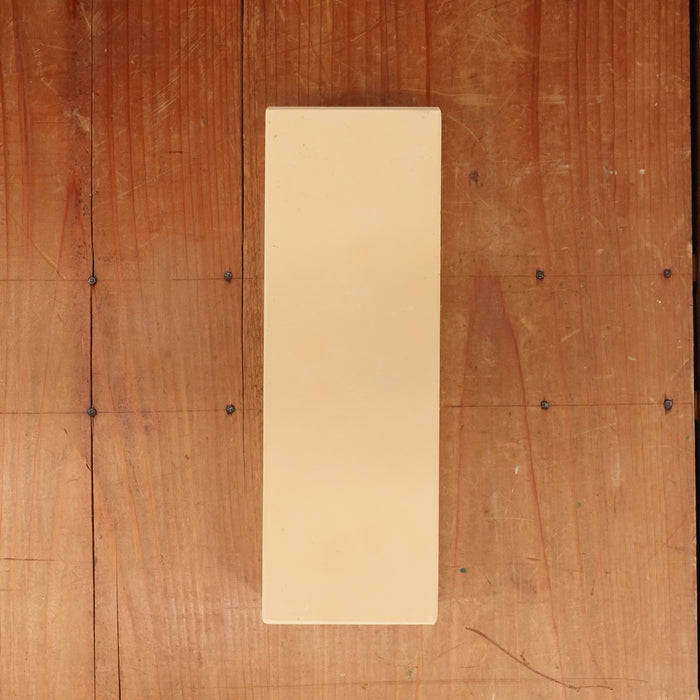
Bernal Cutlery Takarazukushi 4000 Grit Yellow Semi-Hard Resinoid Japanese Whetstone
- Regular Price
- £62.75
- Sale Price
- £62.75
- Regular Price
-
- Unit Price
- per
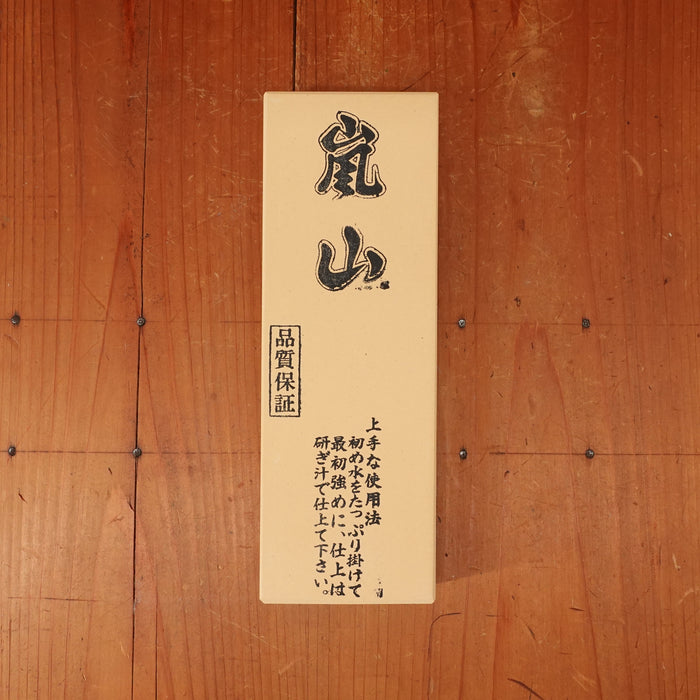
Arashiyama #6000 Whetstone Stone NO Wooden Base
- Regular Price
- £44.38
- Sale Price
- £44.38
- Regular Price
-
- Unit Price
- per
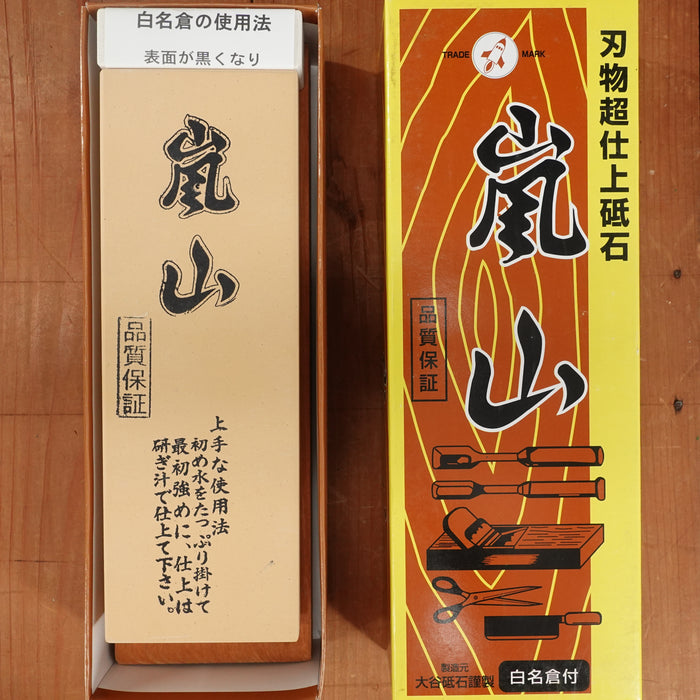
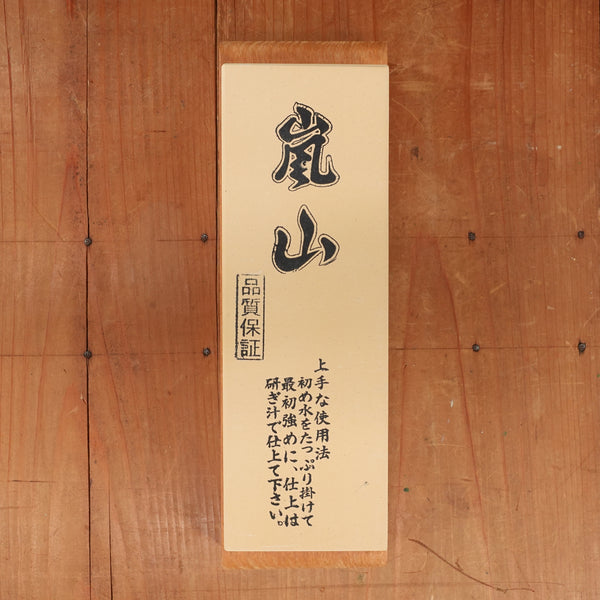
Arashiyama #6000 Whetstone With Nagura Stone and Wooden Base
- Regular Price
- £52.03
- Sale Price
- £52.03
- Regular Price
-
- Unit Price
- per
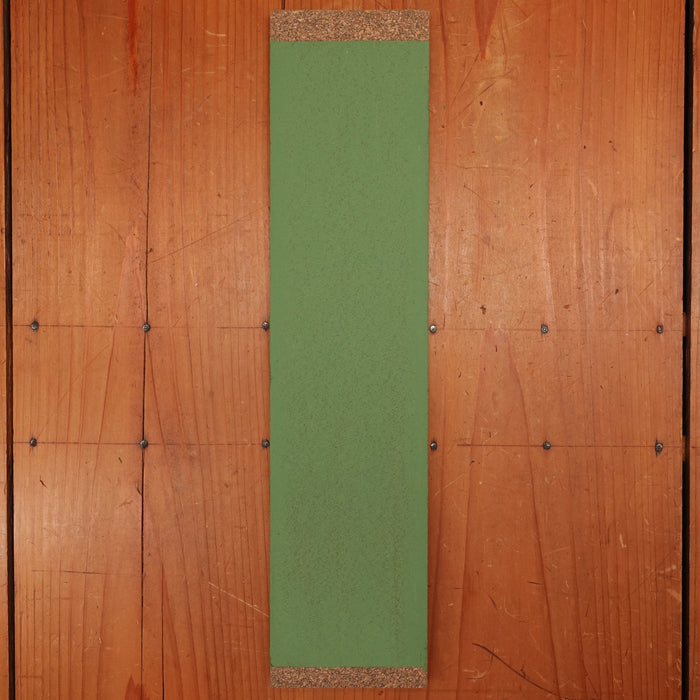
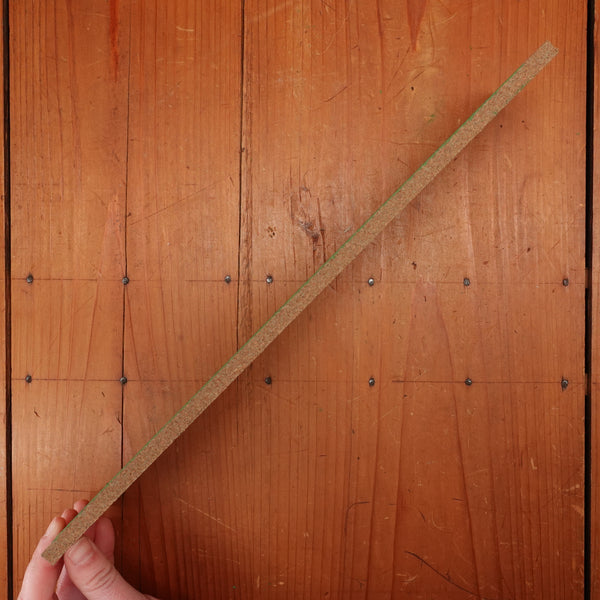
Bernal Cutlery Monodiachrome™ Precharged Deburring Strop
- Regular Price
- £30.61
- Sale Price
- £30.61
- Regular Price
-
- Unit Price
- per