


Rolin Knives Honyaki 170mm Nakiri Compound W2 Desert Ironwood
-
Regular Price
-
£873.18
-
Sale Price
-
£873.18
-
Regular Price
-
Sold Out
-
Unit Price
- per
- Regular Price
- £873.18
- Sale Price
- £873.18
- Regular Price
- Unit Price
- per
Hand forged and differently heat treated abura honyaki nakiri made from W2 carbon steel with octagonal handle made from desert ironwood and hand-textured copper ferrule. Comes with custom cherry saya and copper pin on waxed thread.
Abura honyaki knives are forged using a single piece of oil-quenched steel, offering a more forgiving hardening process while still achieving a very hard, fine-grained blade with excellent sharpness and edge retention.
About This Knife


Nakiri

Total Length: 322mm
Edge Length: 170mm
Heel Height: 61mm
Spine Thickness: 3.25mm
Weight:
Orientation: Ambidextrous
Steel Type: W2
Steel Hardness (HRC): 63.5
Maintenance: More Attention
Handle Type: Japanese (wa)
Handle Material: Desert Ironwood
Dive Deeper
Medium-Fine finish - Japanese
Sharpening Supplies
Stones & Accessories selected specifically for this knife.
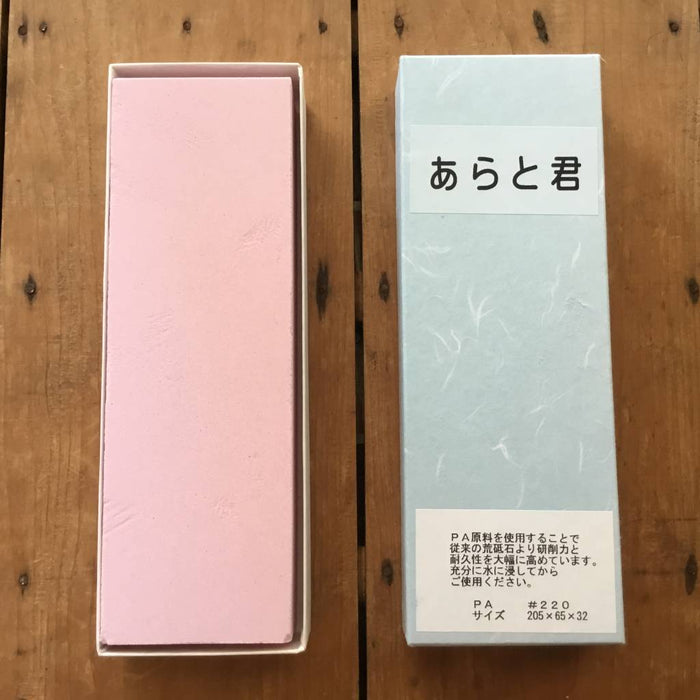
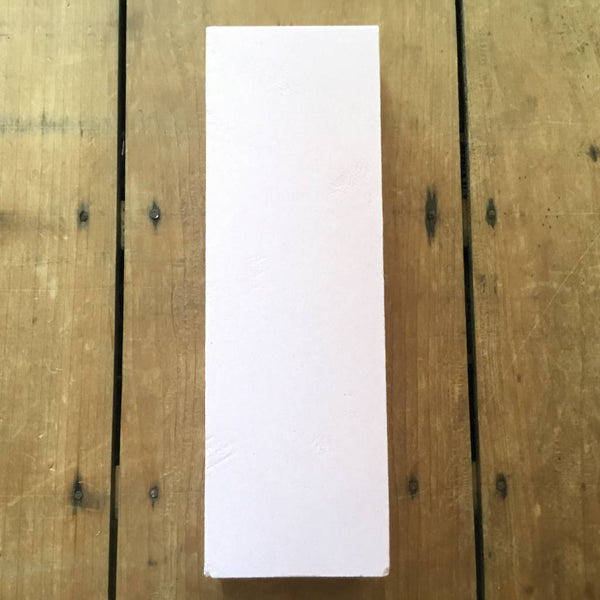
Arato-kun #220 Extra Coarse Grit Whetstone
- Regular Price
- £37.48
- Sale Price
- £37.48
- Regular Price
-
- Unit Price
- per
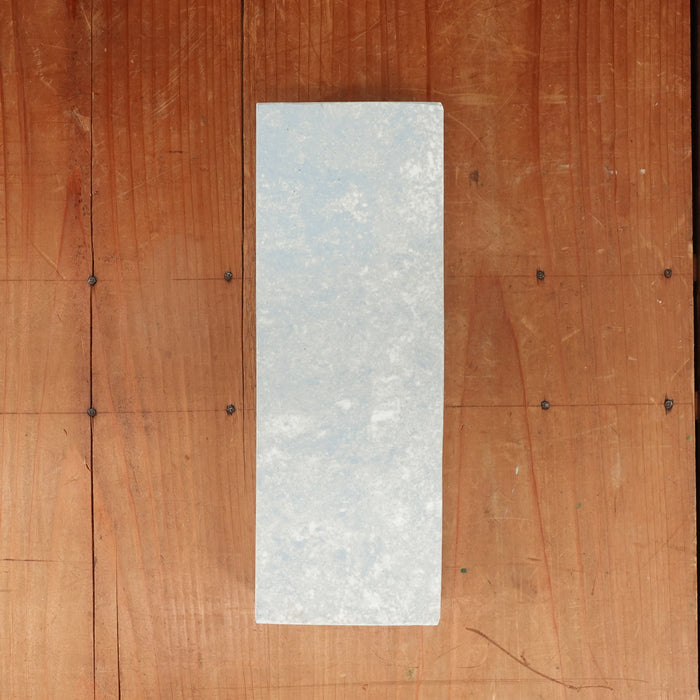
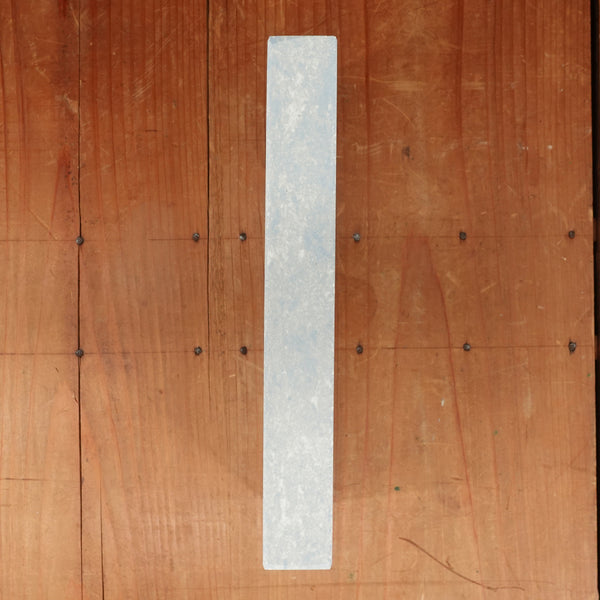
Bernal Cutlery Takarazukushi 1200 Grit Blue Marble Semi-Soft Ceramic Japanese Whetstone
- Regular Price
- £55.46
- Sale Price
- £55.46
- Regular Price
-
- Unit Price
- per
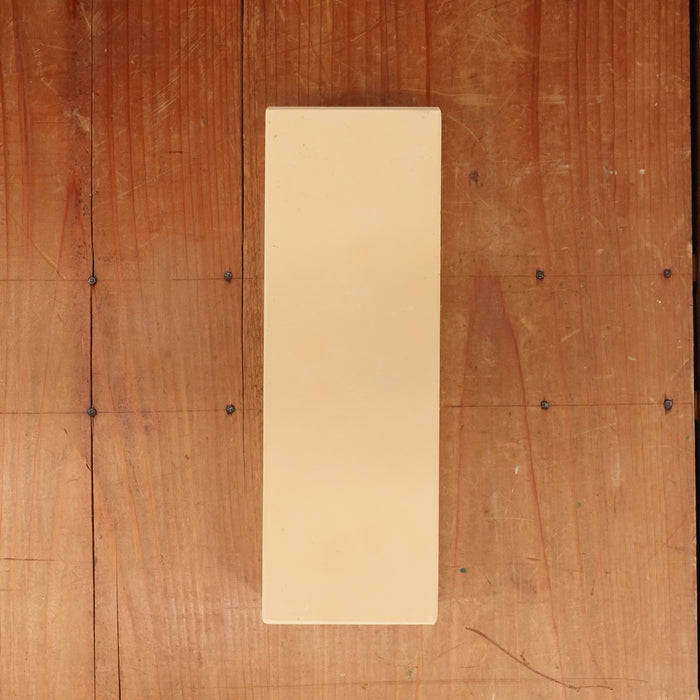
Bernal Cutlery Takarazukushi 4000 Grit Yellow Semi-Hard Resinoid Japanese Whetstone
- Regular Price
- £61.46
- Sale Price
- £61.46
- Regular Price
-
- Unit Price
- per
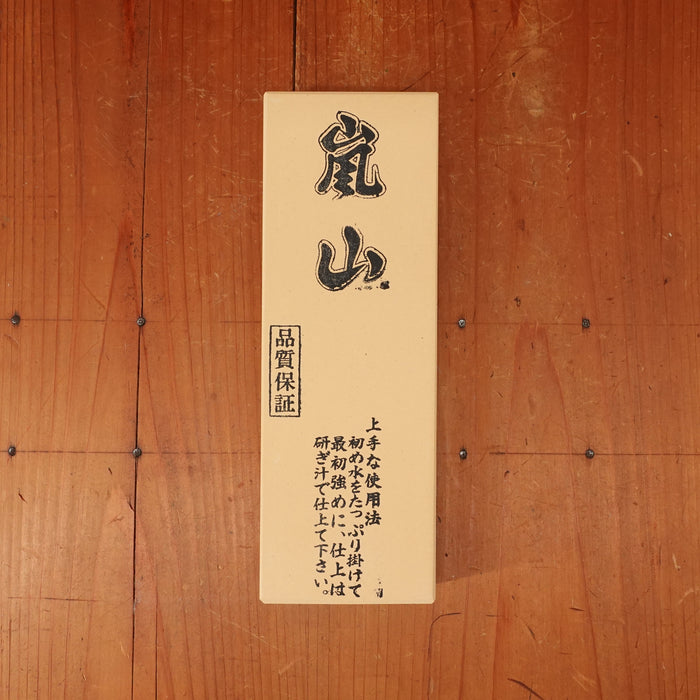
Arashiyama #6000 Whetstone Stone NO Wooden Base
- Regular Price
- £43.47
- Sale Price
- £43.47
- Regular Price
-
- Unit Price
- per
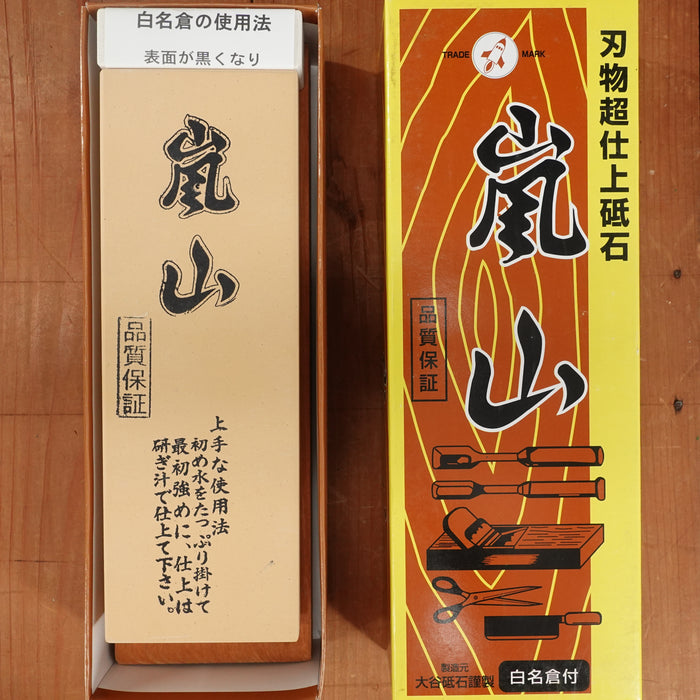
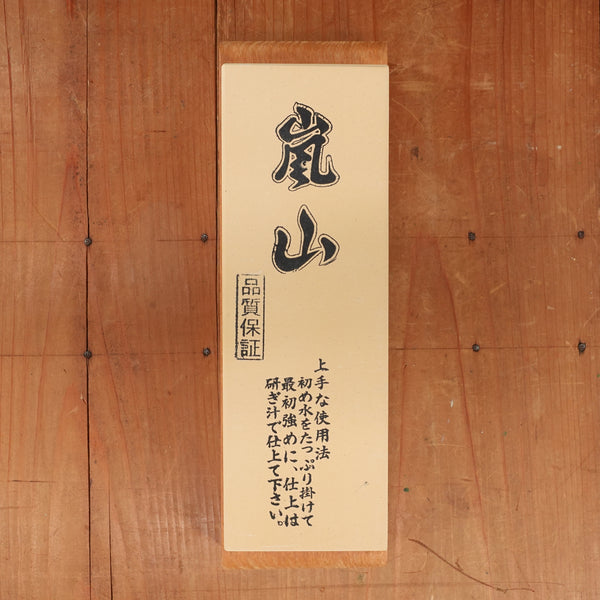
Arashiyama #6000 Whetstone With Nagura Stone and Wooden Base
- Regular Price
- £50.97
- Sale Price
- £50.97
- Regular Price
-
- Unit Price
- per
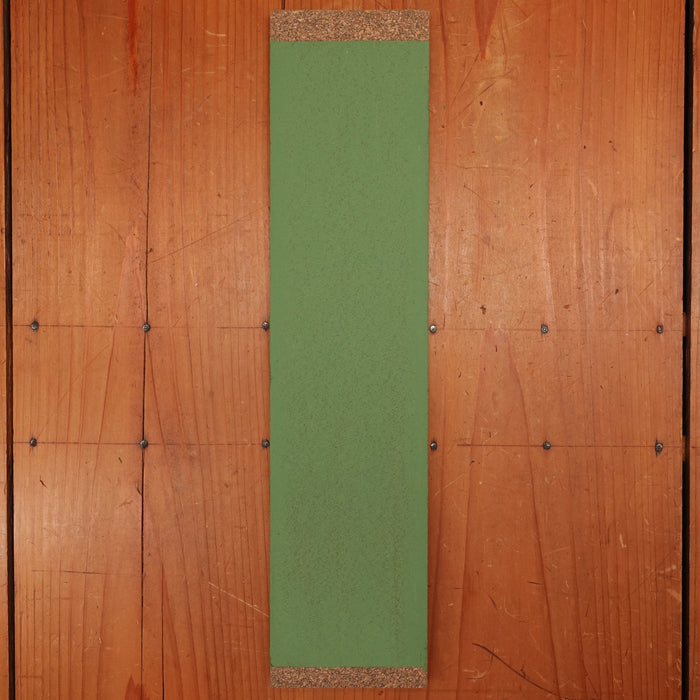
Bernal Cutlery Monodiachrome™ Precharged Deburring Strop
- Regular Price
- £29.98
- Sale Price
- £29.98
- Regular Price
-
- Unit Price
- per


W2
