


J Russell & Co Green River Works 14.25" Bullnose Slicer Carbon Steel Ebony 1874-~1900s
-
Regular Price
-
$570.22
-
Sale Price
-
$570.22
-
Regular Price
-
Sold Out
-
Unit Price
- per
- Regular Price
- $570.22
- Sale Price
- $570.22
- Regular Price
- Unit Price
- per

Antique J Russell & Co Green River Works hand-forged, after-drop-forged carbon steel 14.25" bullnose slicer with one-piece ebony and iron ferrule handle. Blade is free from damage or heavy wear, thre are a few pits and a few tiny rust spots, the patina is so pleasing I opted to not re-grind the faces. Keep oiled or waxed if in long storage.
Forged and ground thin, it feels nimble and maneuverable despite its long blade. The blade has a very English shape with the deep curved bullnose tip and nearly parallel edge and spine. The handle is a one-piece ebony with an iron ferrule. We have reset and epoxied the blade into the handle, as it had separated slightly, leaving a gap at the ferrule-bolster junction. It was previously set with cutlers cement (beeswax, resin, and brick dust). Handle has a few tight hairline cracks, which are consistent with antique ebony; it is stable and secure due to the gluing it received.
J Russell was one of the very first American cutlery makers and was located in Greenfield, Massachusetts, the epicenter of American knifemaking and the American Industrial Revolution. in 1874, they moved to nearby Turner's Falls, and that is when this knife dates from, at which point an acid etch was used for the markings rather than a hot stamp

About J Russell Green River Co
About This Knife


Total Length: 20"
Edge Length: 14.25"
Heel Height: 1 5/8"
Spine Thickness: 2.29mm
Weight:
Orientation: Ambidextrous
Blade Type:
Steel Type: Vintage Carbon
Steel Hardness (HRC): 54-56?
Reactive: More Attention
Handle Type: Western
Handle Material: ebony, iron
Dive Deeper
Medium - Western Carbon
Sharpening Supplies
Stones & Accessories selected specifically for this knife.
Bernal Cutlery Takarazukushi 320 WA/800 Cobalt Combination Grit Japanese Whetstone
- Regular Price
- $118.37
- Sale Price
- $118.37
- Regular Price
-
- Unit Price
- per
Bernal Cutlery Takarazukushi 500 Grit Soft & Fast Ceramic Japanese Whetstone
- Regular Price
- $66.40
- Sale Price
- $66.40
- Regular Price
-
- Unit Price
- per
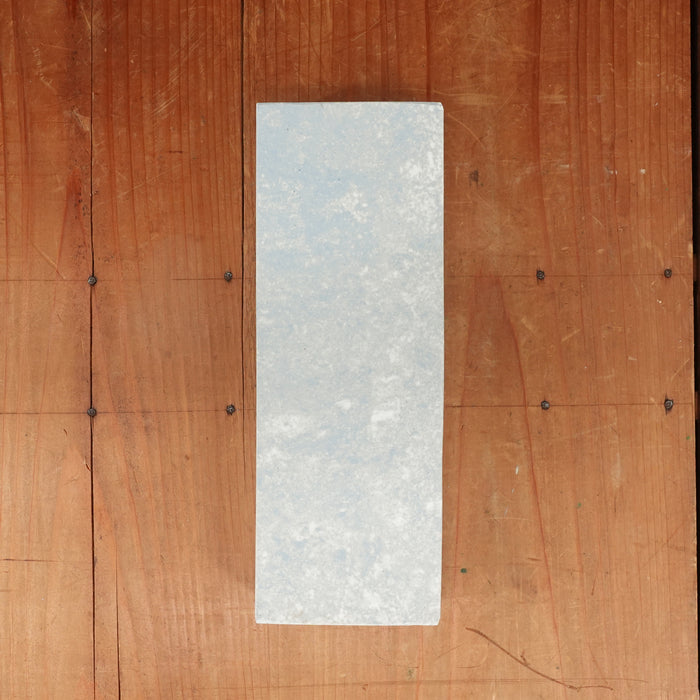
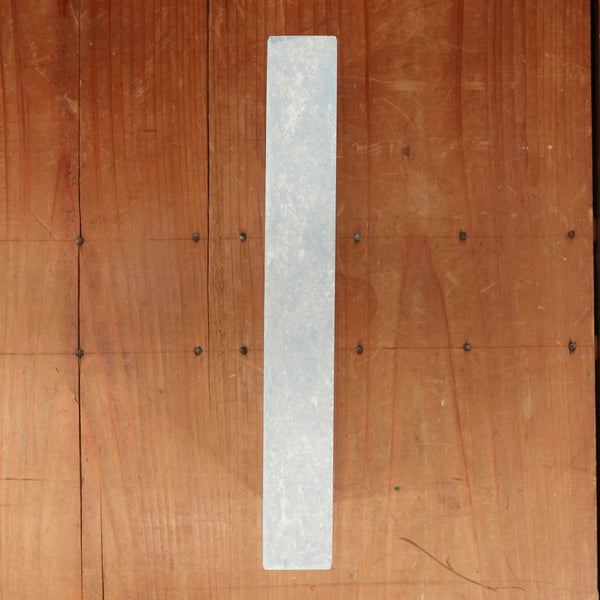
Bernal Cutlery Takarazukushi 1200 Grit Blue Marble Semi-Soft Ceramic Japanese Whetstone
- Regular Price
- $106.83
- Sale Price
- $106.83
- Regular Price
-
- Unit Price
- per
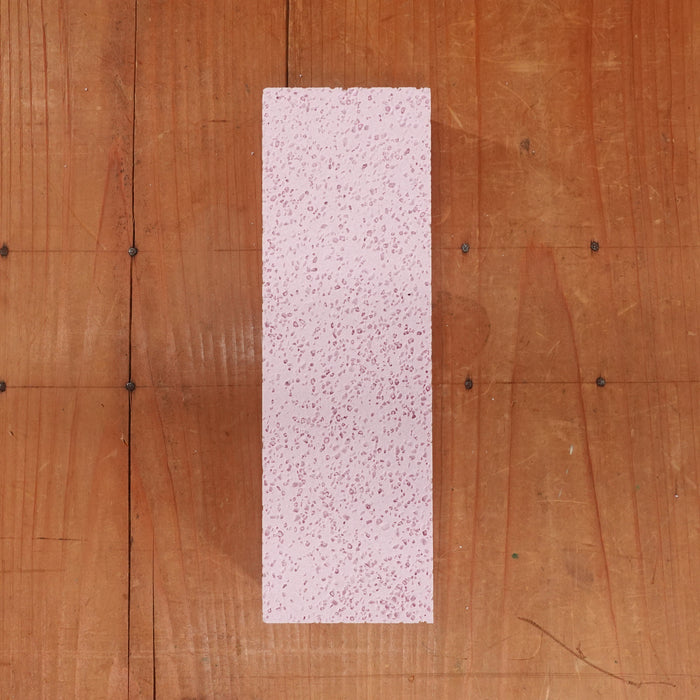
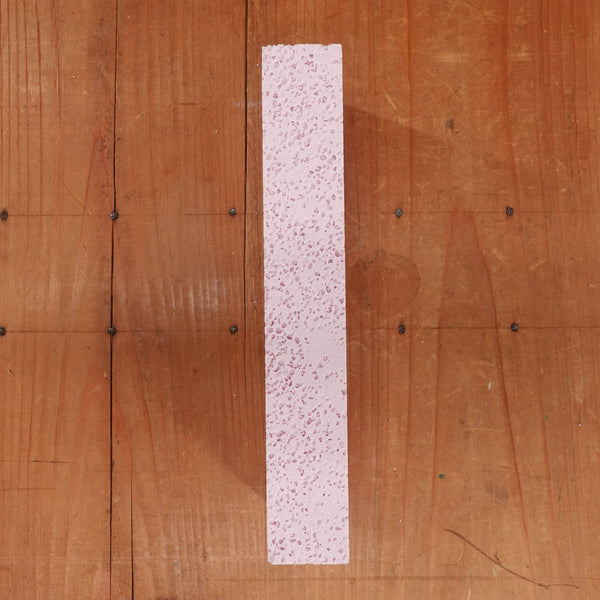
Takarazukushi Porous Ceramic 220 Flattening Stone
- Regular Price
- $57.74
- Sale Price
- $57.74
- Regular Price
-
- Unit Price
- per
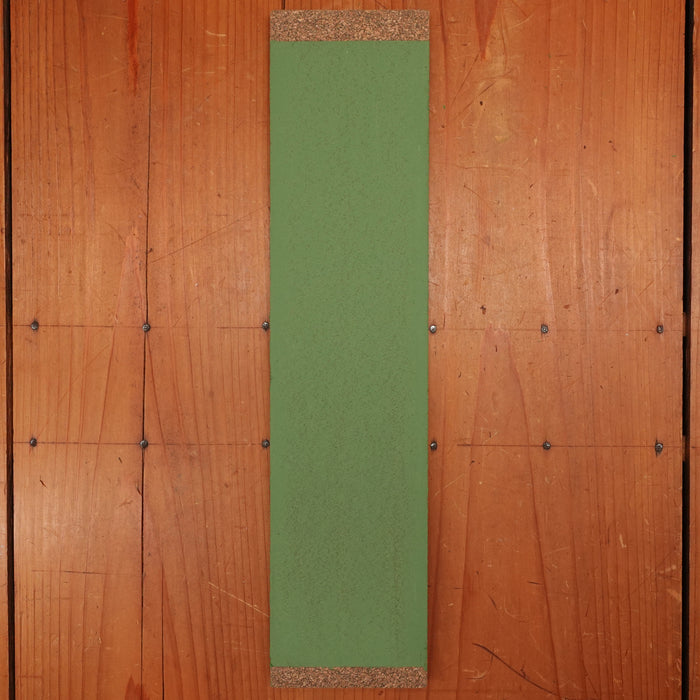
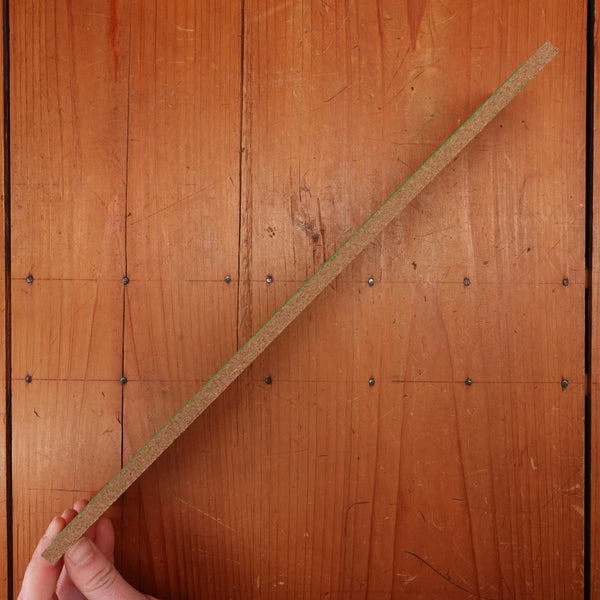
Bernal Cutlery Monodiachrome™ Precharged Deburring Strop
- Regular Price
- $57.74
- Sale Price
- $57.74
- Regular Price
-
- Unit Price
- per


Bernal Cutlery Monodiachrome Precharged Microfiber Strop
- Regular Price
- $108.27
- Sale Price
- $108.27
- Regular Price
-
- Unit Price
- per
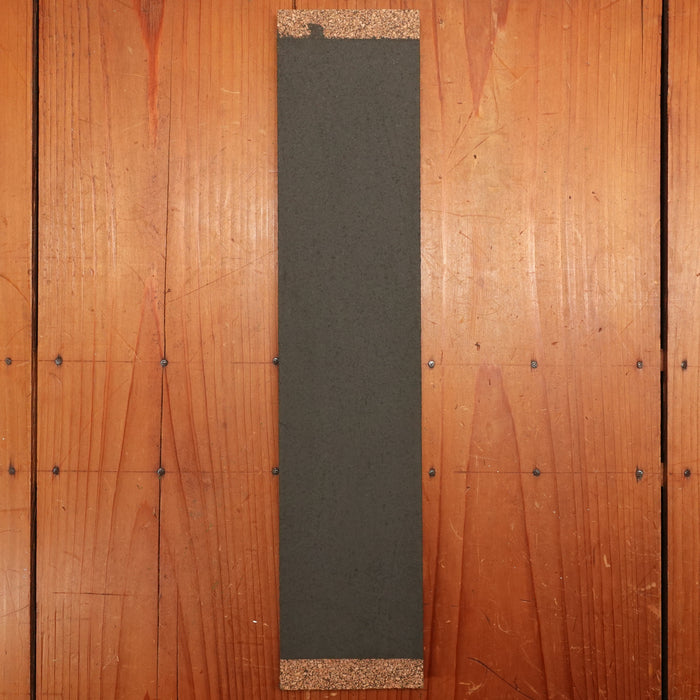
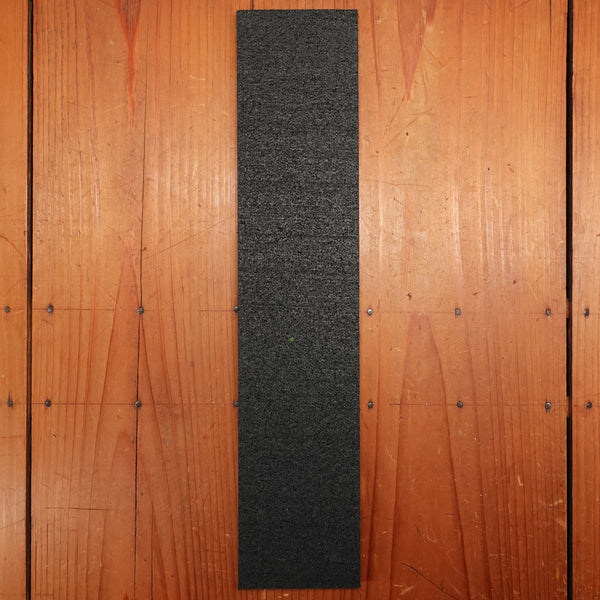
Bernal Cutlery Vanadium Carbide Precharged Abrasive Strop
- Regular Price
- $50.53
- Sale Price
- $50.53
- Regular Price
-
- Unit Price
- per
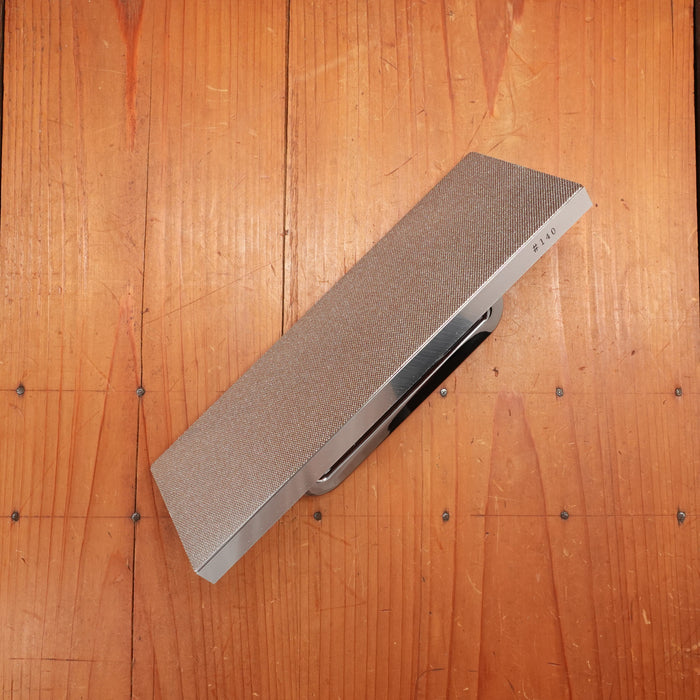
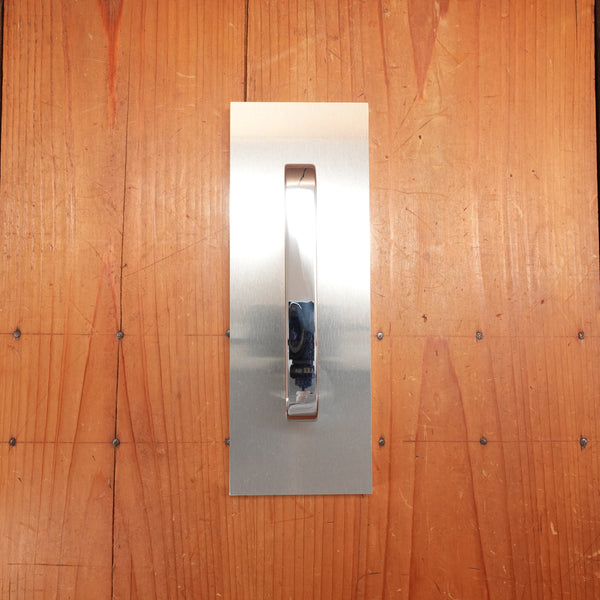
Atoma #140 Diamond Stone With Handle
- Regular Price
- $230.97
- Sale Price
- $230.97
- Regular Price
-
- Unit Price
- per
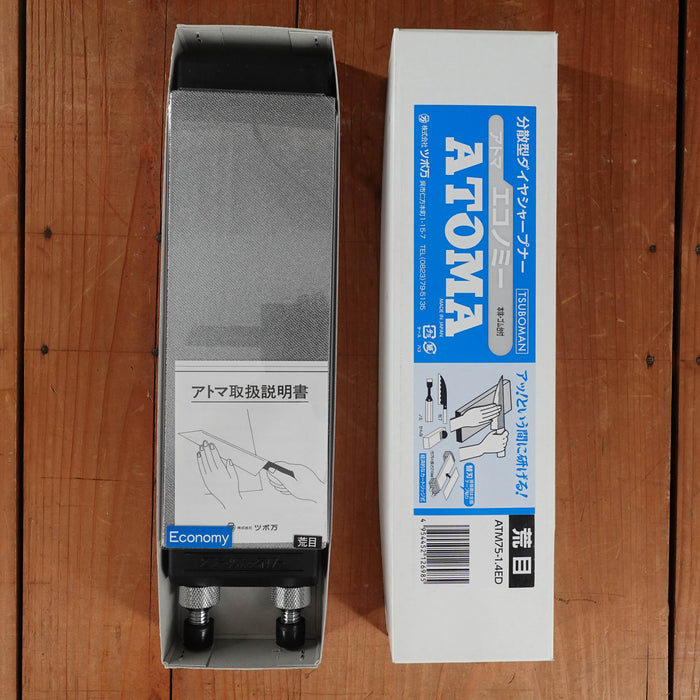
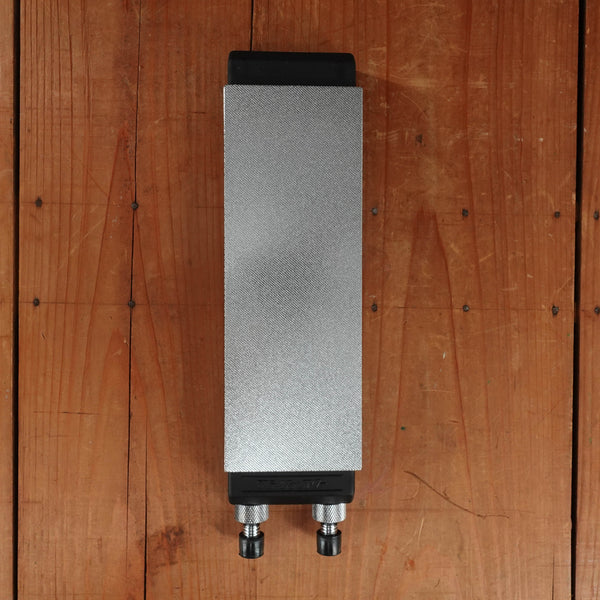
Atoma #140 Diamond Stone with Holder
- Regular Price
- $184.78
- Sale Price
- $184.78
- Regular Price
-
- Unit Price
- per
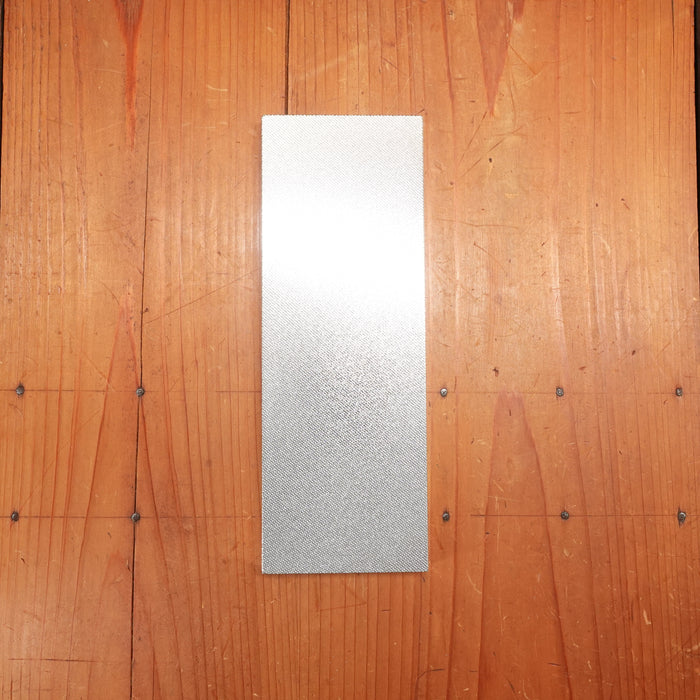
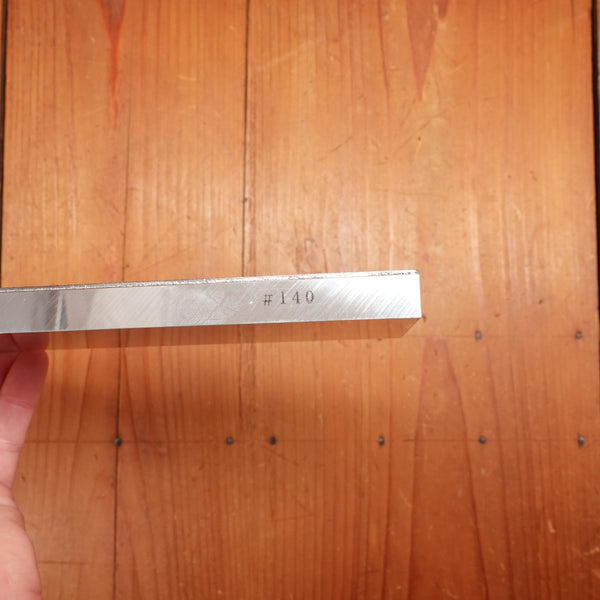
Atoma #140 Diamond Stone No Holder
- Regular Price
- $151.58
- Sale Price
- $151.58
- Regular Price
-
- Unit Price
- per


Atoma #140 Diamond Stone (Replacement)
- Regular Price
- $115.49
- Sale Price
- $115.49
- Regular Price
-
- Unit Price
- per