


A J Jordan 6.75" Bullnose Butcher Hand Forged Double Shear Steel Persian Boxwood 1885-1926
-
Regular Price
-
$215.07
-
Sale Price
-
$215.07
-
Regular Price
-
Sold Out
-
Unit Price
- per
- Regular Price
- $215.07
- Sale Price
- $215.07
- Regular Price
- Unit Price
- per
Marked Jordan's Best on Persian boxwood handle made in Sheffield England (1885-1926), made at the East India Works with Sheffield and made with double shear steel and Persian boxwood.
This knife had been sharpened in a bit requiring a thinning, in the process the 'England; in AAA A J Jordan Sheffield England marking on blade has been lost. Dense and hard Persian boxwood handle is in great shape with no gaps or cracks, it has mellowed to a nice warm color and has a great smooth feel.
Andrew Jackson Jordan was an American from St Louis who set up a knife manufacturing business in Sheffield (the East India works) and imported knives to the USA made at the East India Works and on contract for A J Jordan by other Sheffield manufacturers, this is a knife made at the East India Works with double shear steel and 'seasoned Persian boxwood'
Double shear steel was a 19th and early 20th century steel that was made by case hardening bars of iron in ceramic boxes packed with charcoal, large numbers of these were heated for days on end at high temperatures and the resulting bars were broken up (it would break or shear rather than bend once carbon added hence 'shear' steel) and forged welded into a larger mass. This process was done twice on double shear steel creating a steel with a higher carbon content.
This knife has been re-ground and thinned behind the edge on a large 3 foot diameter Japanese water stone wheel (kaiten mizu toishi) and then resurfaced with a medium fine finish, our take on an old style grinding and finishing technique. While the particular wheel used to refurbish this knife is typically used in Japanese knife making it is very similar to the old grinding wheels used to shape European and American hand ground cutlery. A convex face to a blade greatly increases a knife's performance as there is less sticking as there is on a flat face and the blade does not get thick behind the edge nearly as fast as with a flat faced blade. Being that we are often working with old blades that need re-shaping and might have been rusted expect some minor imperfections, we try to give a fresh start to our re-ground blades with an eye towards their original grind style and keeping as much metal is needed on a blade when ever possible.
About This Knife


Listed Length:
Total Length:
Edge Length: 6.75"+
Heel Height: 7/8"
Spine Thickness:
Weight:
Orientation:
Blade Type:
Steel Type: Shear Steel
Steel Hardness (HRC): 54-56?
Reactive: More Attention
Handle Type: Western
Handle Material: Persian boxwood and iron pins
Dive Deeper
Medium - Western Carbon
Sharpening Supplies
Stones & Accessories selected specifically for this knife.
Bernal Cutlery Takarazukushi 320 WA/800 Cobalt Combination Grit Japanese Whetstone
- Regular Price
- $119.16
- Sale Price
- $119.16
- Regular Price
-
- Unit Price
- per
Bernal Cutlery Takarazukushi 500 Grit Soft & Fast Ceramic Japanese Whetstone
- Regular Price
- $66.85
- Sale Price
- $66.85
- Regular Price
-
- Unit Price
- per
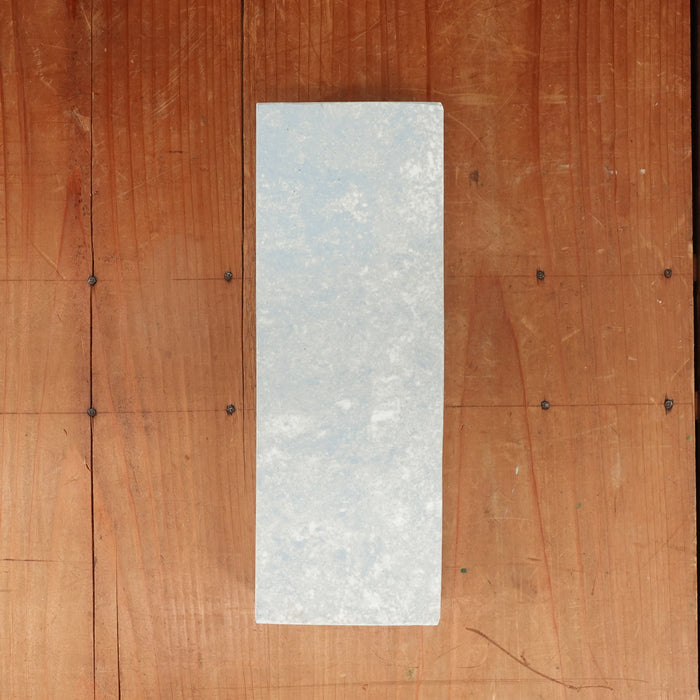
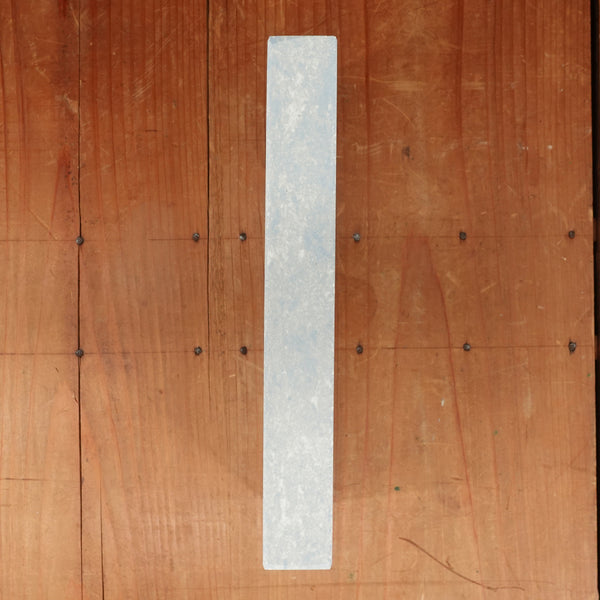
Bernal Cutlery Takarazukushi 1200 Grit Blue Marble Semi-Soft Ceramic Japanese Whetstone
- Regular Price
- $107.53
- Sale Price
- $107.53
- Regular Price
-
- Unit Price
- per
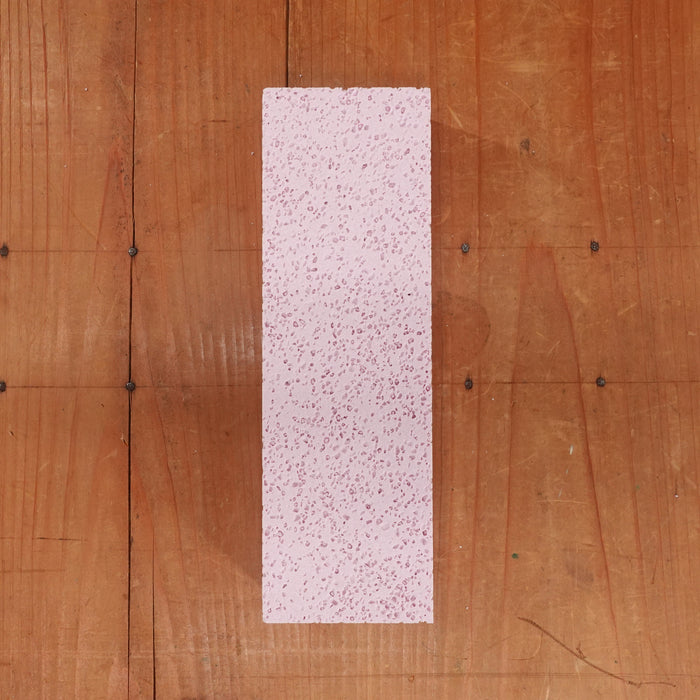
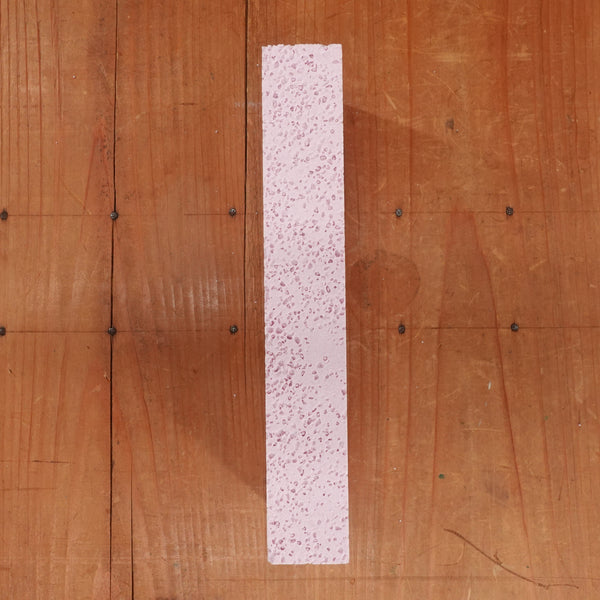
Takarazukushi Porous Ceramic 220 Flattening Stone
- Regular Price
- $58.13
- Sale Price
- $58.13
- Regular Price
-
- Unit Price
- per
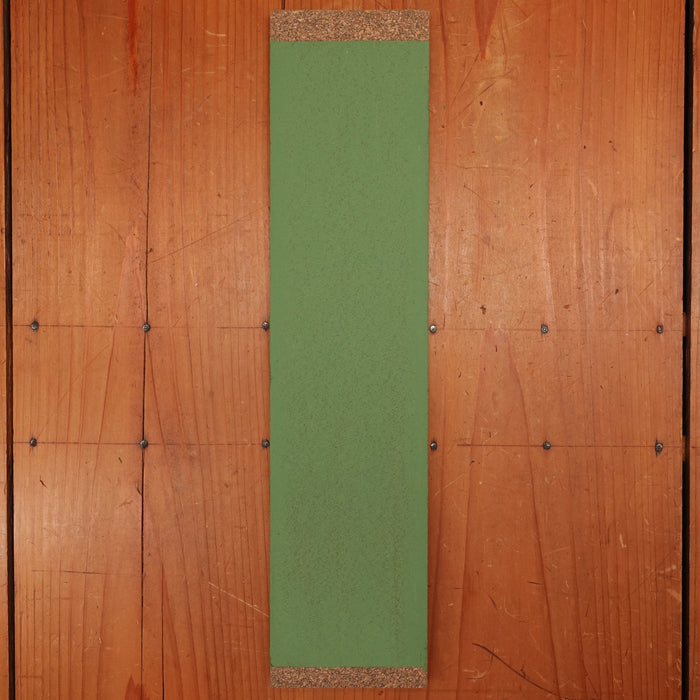
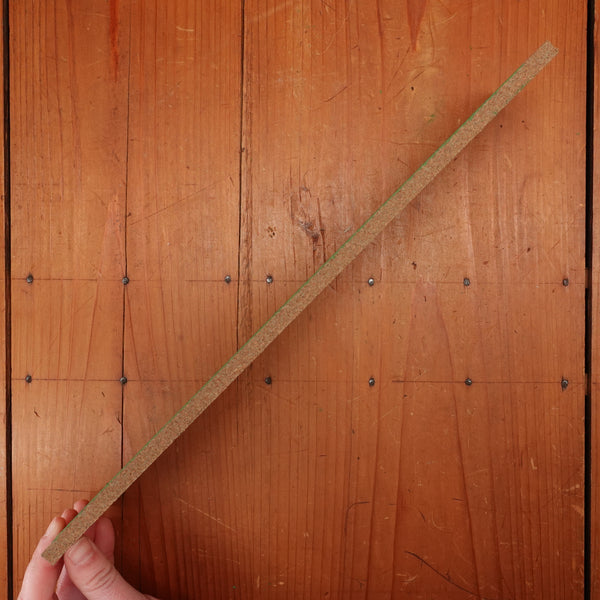
Bernal Cutlery Monodiachrome™ Precharged Deburring Strop
- Regular Price
- $58.13
- Sale Price
- $58.13
- Regular Price
-
- Unit Price
- per


Bernal Cutlery Monodiachrome Precharged Microfiber Strop
- Regular Price
- $108.99
- Sale Price
- $108.99
- Regular Price
-
- Unit Price
- per
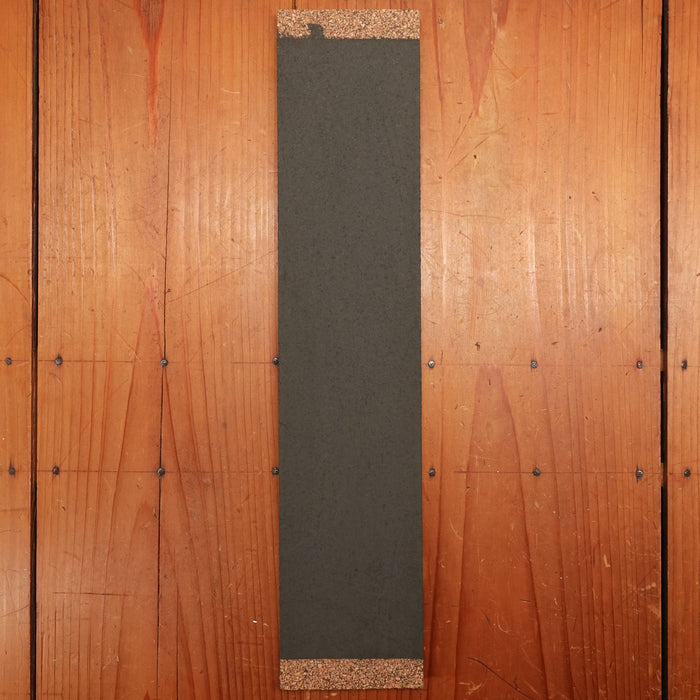
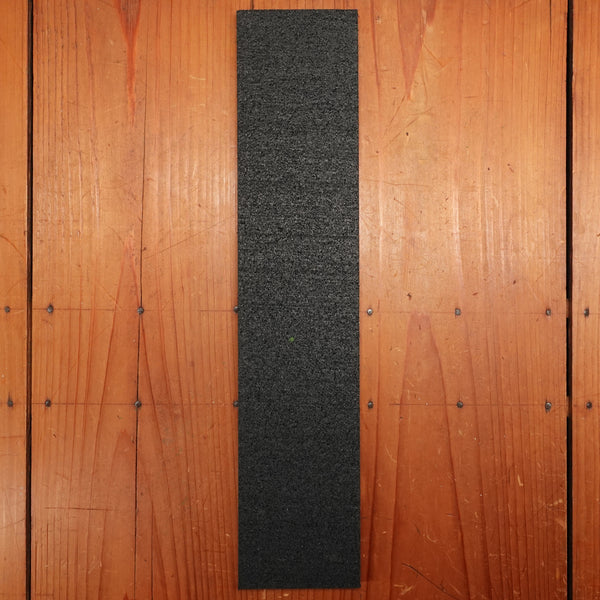
Bernal Cutlery Vanadium Carbide Precharged Abrasive Strop
- Regular Price
- $50.86
- Sale Price
- $50.86
- Regular Price
-
- Unit Price
- per
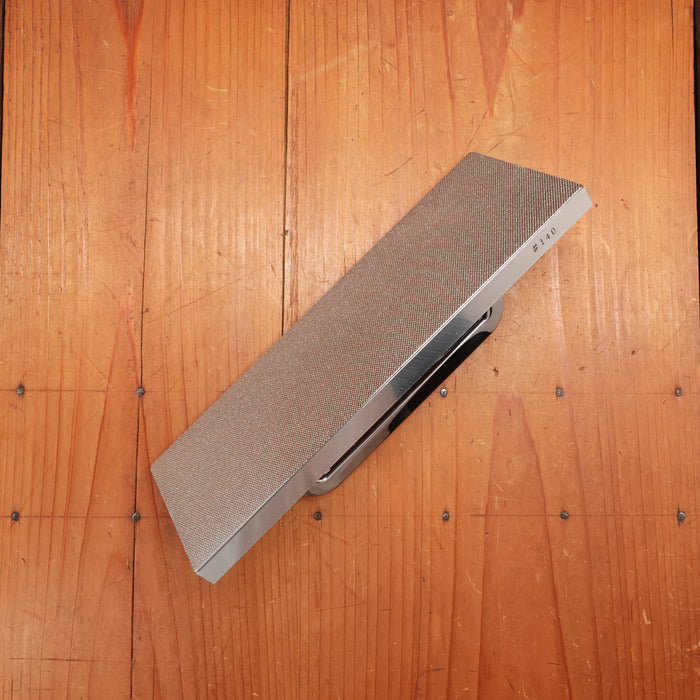
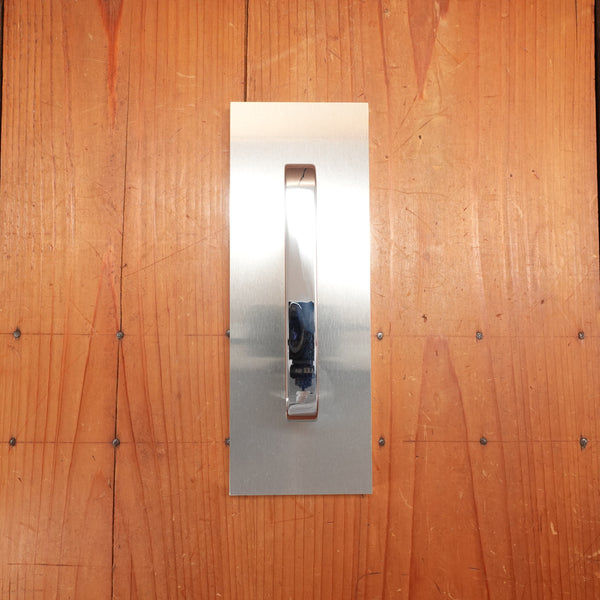
Atoma #140 Diamond Stone With Handle
- Regular Price
- $232.51
- Sale Price
- $232.51
- Regular Price
-
- Unit Price
- per
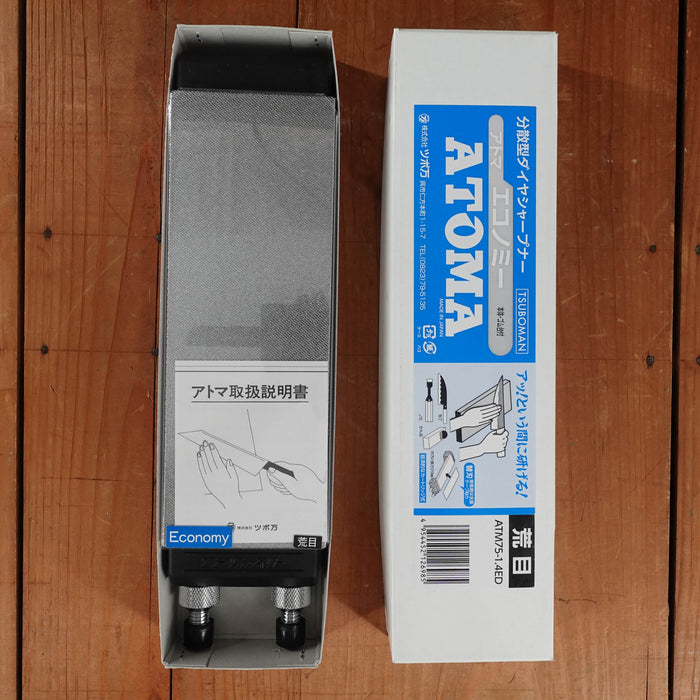
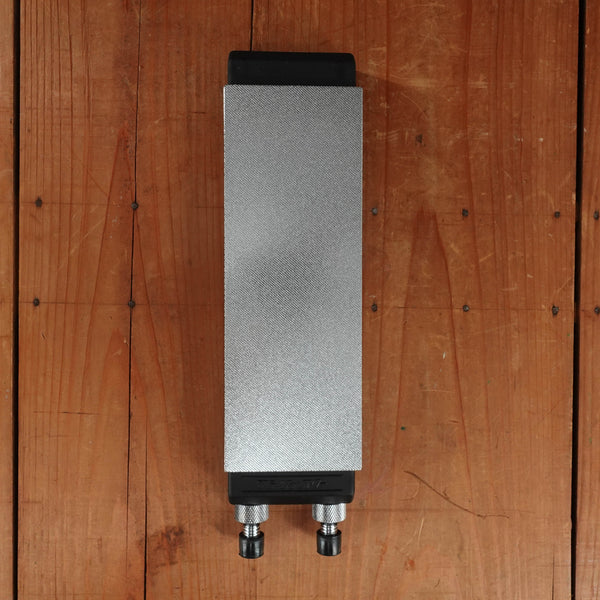
Atoma #140 Diamond Stone with Holder
- Regular Price
- $186.01
- Sale Price
- $186.01
- Regular Price
-
- Unit Price
- per
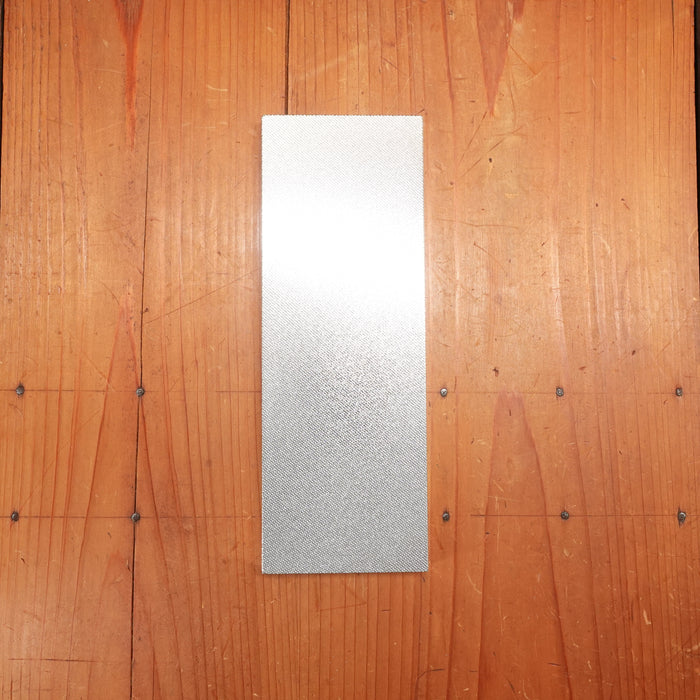
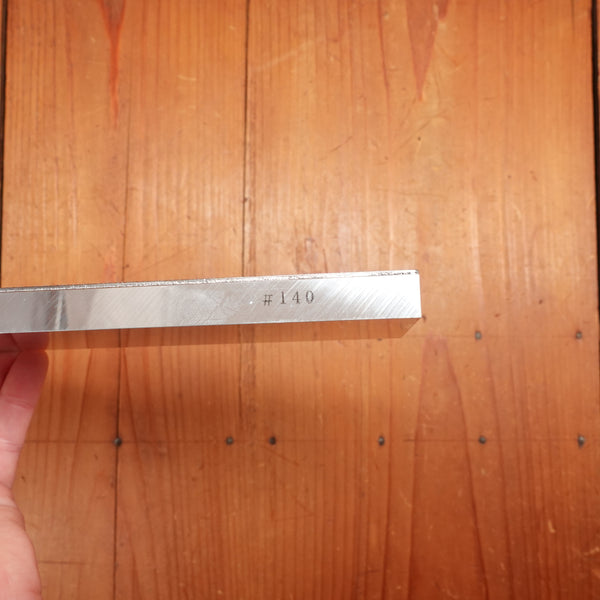
Atoma #140 Diamond Stone No Holder
- Regular Price
- $152.58
- Sale Price
- $152.58
- Regular Price
-
- Unit Price
- per


Atoma #140 Diamond Stone (Replacement)
- Regular Price
- $116.25
- Sale Price
- $116.25
- Regular Price
-
- Unit Price
- per