


J A Henckels 9" Chef Knife Carbon Steel Solingen ~1905-20s
-
Regular Price
-
$329.89
-
Sale Price
-
$329.89
-
Regular Price
-
Sold Out
-
Unit Price
- per
- Regular Price
- $329.89
- Sale Price
- $329.89
- Regular Price
- Unit Price
- per

Hand-forged and hand-ground after drop-forging, a carbon steel chef’s knife (made before the model numbering system) made in Solingen, Germany, at the J A Henckels works at the peak of their craft. This knife has a heavy, thick heel that tapers to a fine tip. The handle is brass and iron pin and disc riveted walnut or dark fruitwood that is nice and secure.
Blade was originally 10", most likely, looking at the size of the handle; it was thick behind the edge when found and has been re-ground to be thin and able to get to work. The overall shape is thinner at the tip half and more triangular, definitely ready to get to work but not in accordance with the original footprint.
About This Knife


Chef’s Knife

Total Length: 14 3/8"
Edge Length: 9.25"
Heel Height: 1 7/8"
Spine Thickness: tapering from 1/4"
Weight:
Orientation: Ambidextrous
Steel Type: Vintage Carbon
Steel Hardness (HRC): 54-56?
Maintenance: More Attention
Handle Type: Western
Handle Material: walnut or fruitwood with brass and iron pin and disc rivets

About J A Henckels
Dive Deeper
Medium - Western Carbon
Sharpening Supplies
Stones & Accessories selected specifically for this knife.
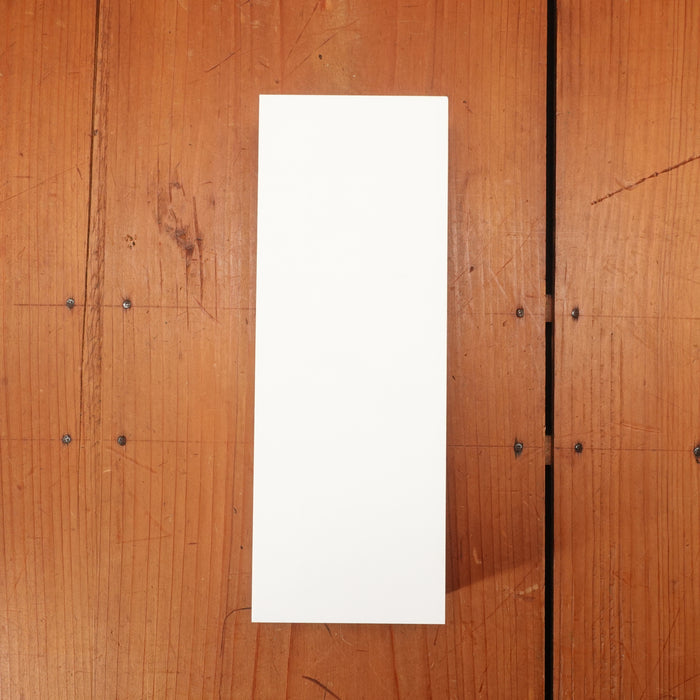
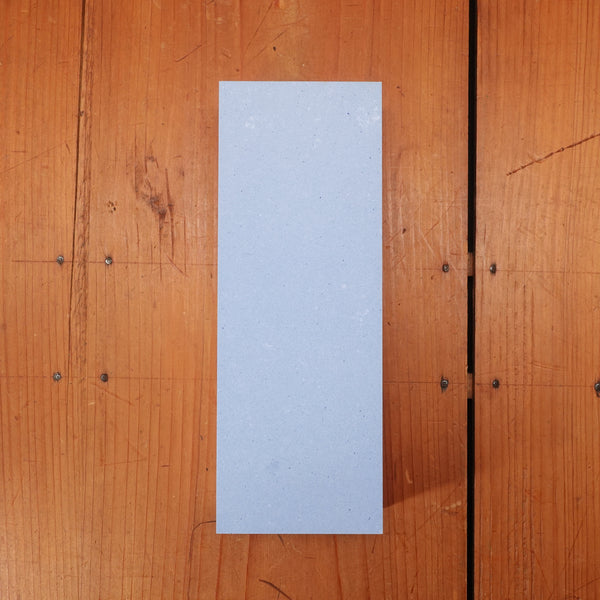
Bernal Cutlery Takarazukushi 320 WA/800 Cobalt Combination Grit Japanese Whetstone
- Regular Price
- $118.65
- Sale Price
- $118.65
- Regular Price
-
- Unit Price
- per
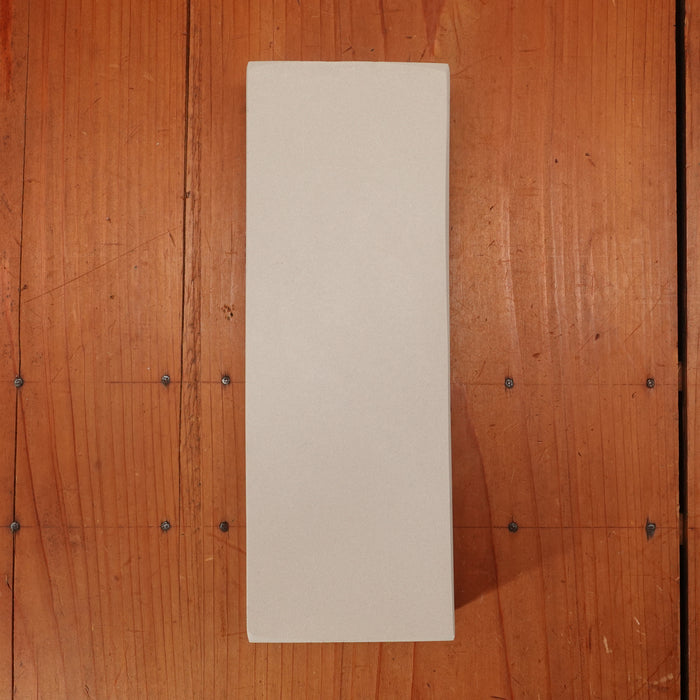
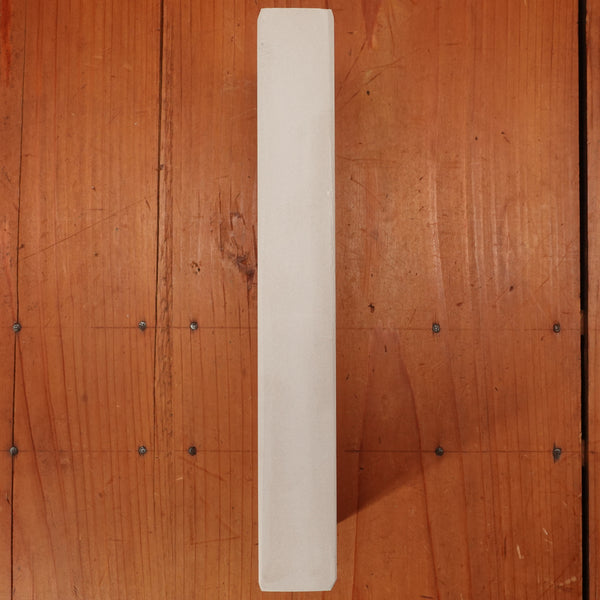
Bernal Cutlery Takarazukushi 500 Grit Soft & Fast Ceramic Japanese Whetstone
- Regular Price
- $66.56
- Sale Price
- $66.56
- Regular Price
-
- Unit Price
- per
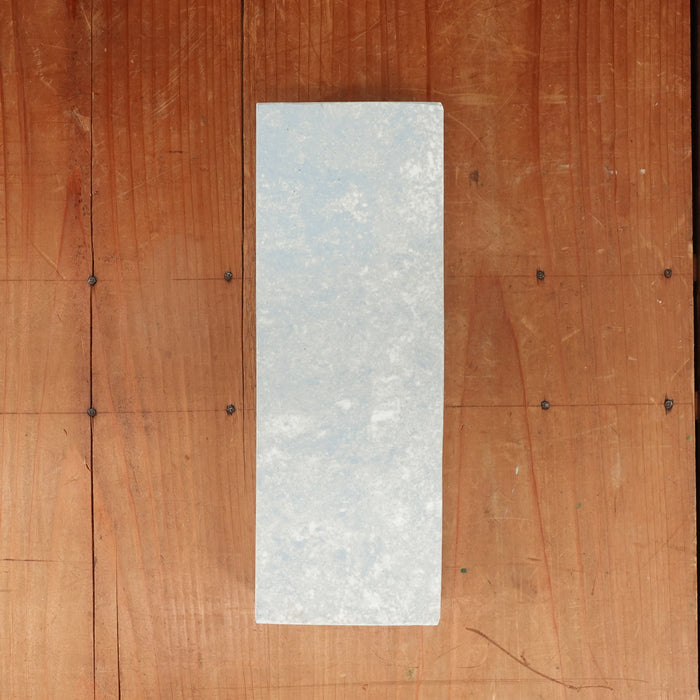
Bernal Cutlery Takarazukushi 1200 Grit Blue Marble Semi-Soft Ceramic Japanese Whetstone
- Regular Price
- $107.07
- Sale Price
- $107.07
- Regular Price
-
- Unit Price
- per
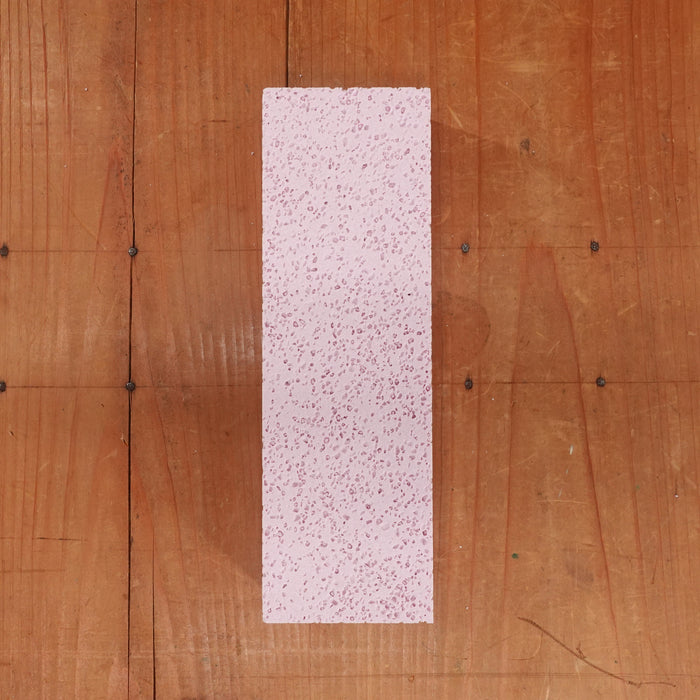
Takarazukushi Porous Ceramic 220 Flattening Stone
- Regular Price
- $57.88
- Sale Price
- $57.88
- Regular Price
-
- Unit Price
- per
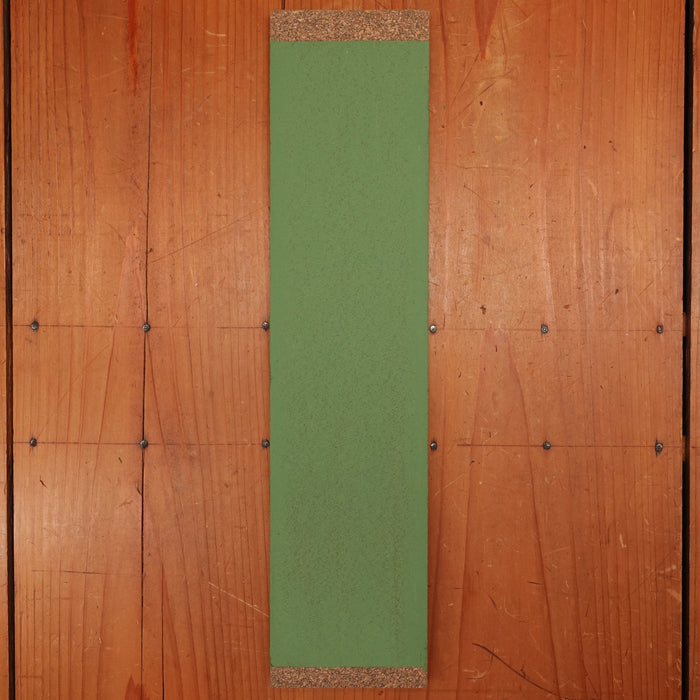
Bernal Cutlery Monodiachrome™ Precharged Deburring Strop
- Regular Price
- $57.88
- Sale Price
- $57.88
- Regular Price
-
- Unit Price
- per


Bernal Cutlery Monodiachrome Precharged Microfiber Strop
- Regular Price
- $108.52
- Sale Price
- $108.52
- Regular Price
-
- Unit Price
- per
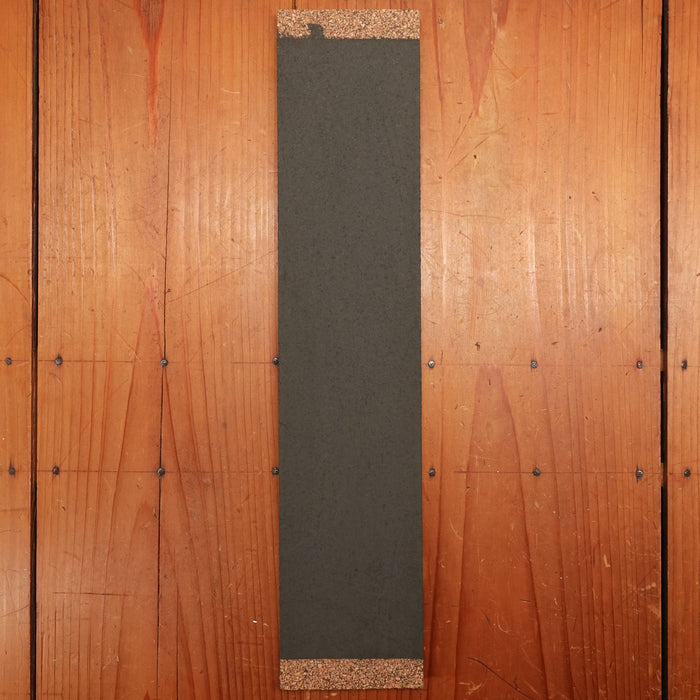
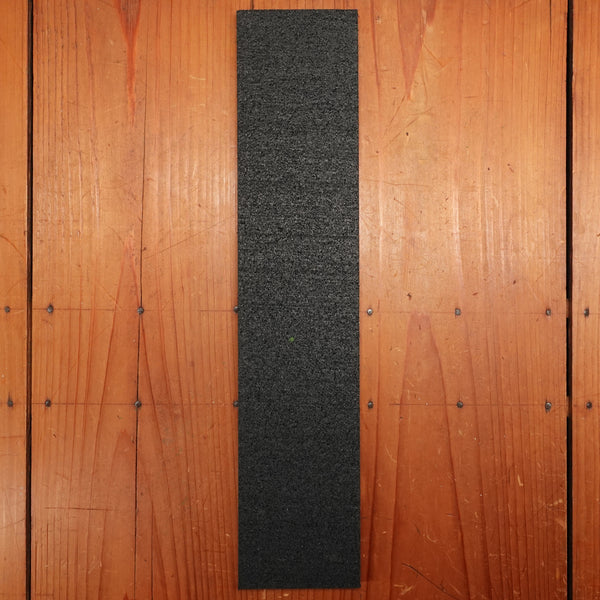
Bernal Cutlery Vanadium Carbide Precharged Abrasive Strop
- Regular Price
- $50.64
- Sale Price
- $50.64
- Regular Price
-
- Unit Price
- per
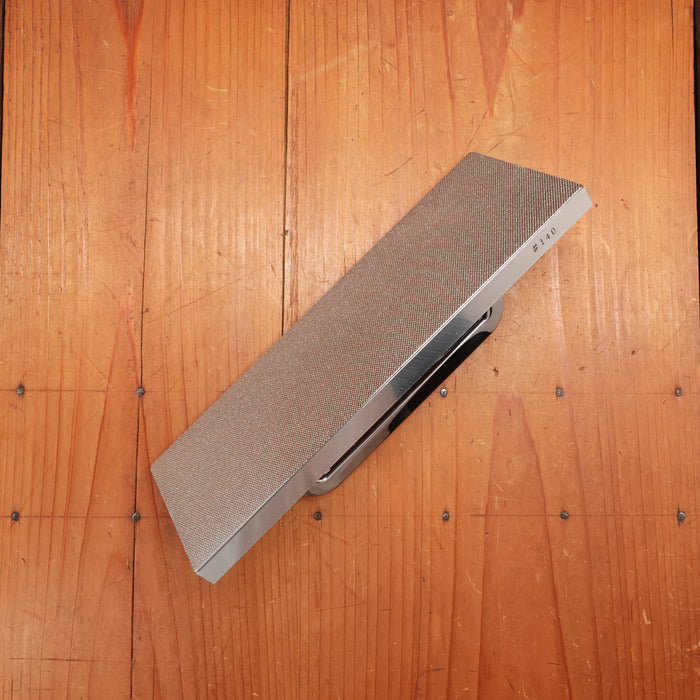
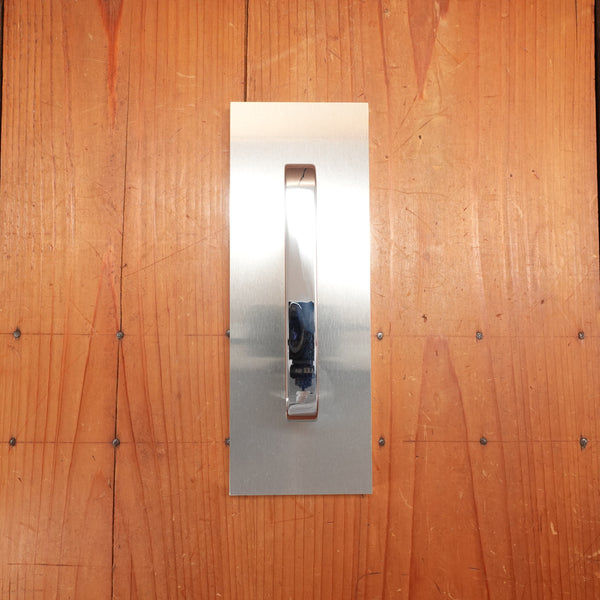
Atoma #140 Diamond Stone With Handle
- Regular Price
- $231.50
- Sale Price
- $231.50
- Regular Price
-
- Unit Price
- per
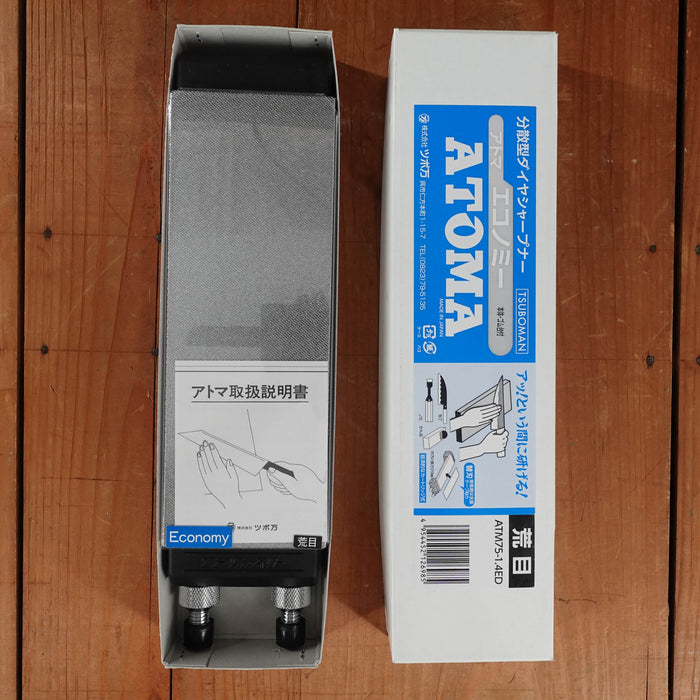
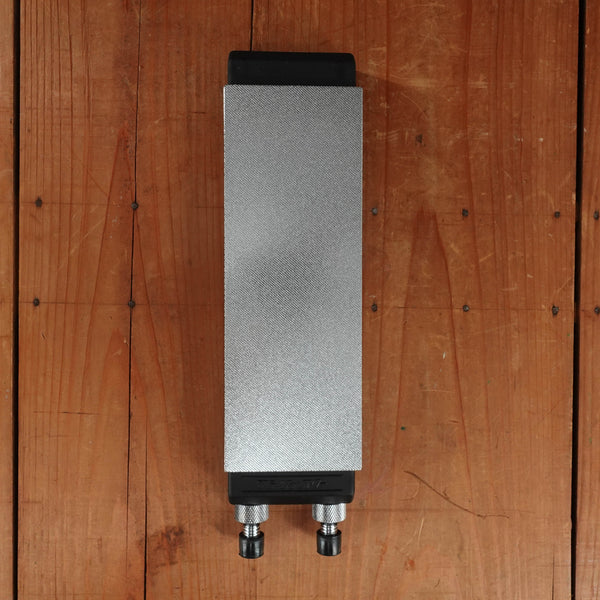
Atoma #140 Diamond Stone with Holder
- Regular Price
- $185.20
- Sale Price
- $185.20
- Regular Price
-
- Unit Price
- per
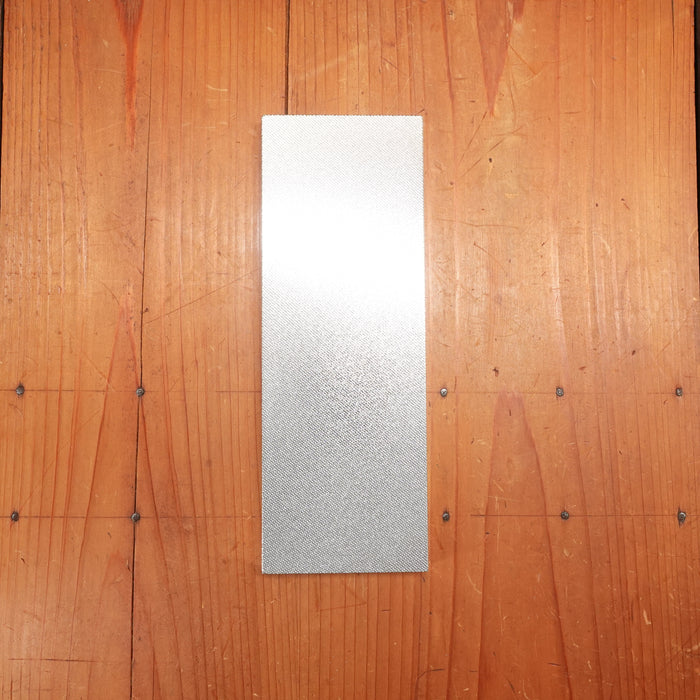
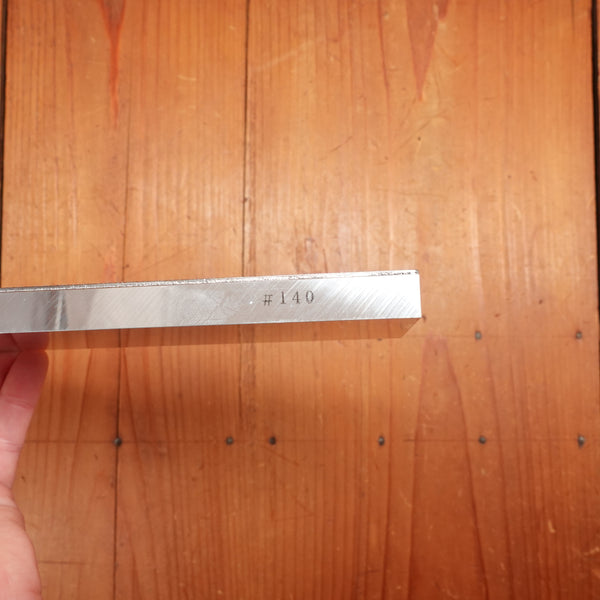
Atoma #140 Diamond Stone No Holder
- Regular Price
- $151.92
- Sale Price
- $151.92
- Regular Price
-
- Unit Price
- per


Atoma #140 Diamond Stone (Replacement)
- Regular Price
- $115.75
- Sale Price
- $115.75
- Regular Price
-
- Unit Price
- per