


Hitohira Hizen 190mm Bunka Shirogami #2 Kurouchi Walnut Handle
-
Regular Price
-
€76,97
-
Sale Price
-
€76,97
-
Regular Price
-
Sold Out
-
Unit Price
- per
- Regular Price
- €76,97
- Sale Price
- €76,97
- Regular Price
Sold Out
- Unit Price
- per
Shipping calculated at checkout.
A workhorse carbon steel nakiri. Its made using tough shirogami #2 and left with a slightly thicker edge than most that will allow for harder work. We still recommend avoiding bones, frozen foods, etc.
About This Knife


Bunka

Total Length: 334mm
Edge Length: 191mm
Heel Height: 51mm
Spine Thickness: 2.8mm
Weight:
Orientation: Ambidextrous
Steel Type: Shirogami 2 (White Paper #2)
Steel Hardness (HRC):
Maintenance: More Attention
Handle Type: Japanese (wa)
Handle Material: Walnut & Plastic Ferrule Oval

Dive Deeper
Medium-Fine finish - Japanese
Sharpening Supplies
Stones & Accessories selected specifically for this knife.
Sold Out
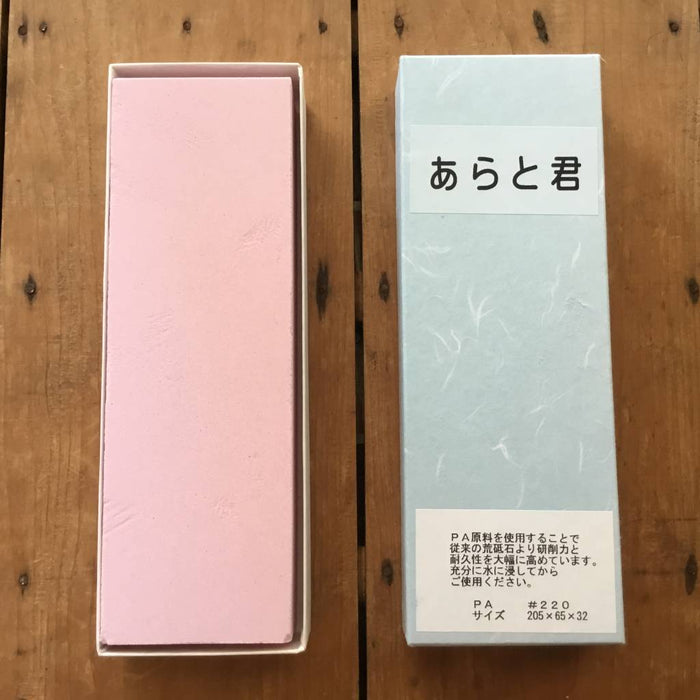
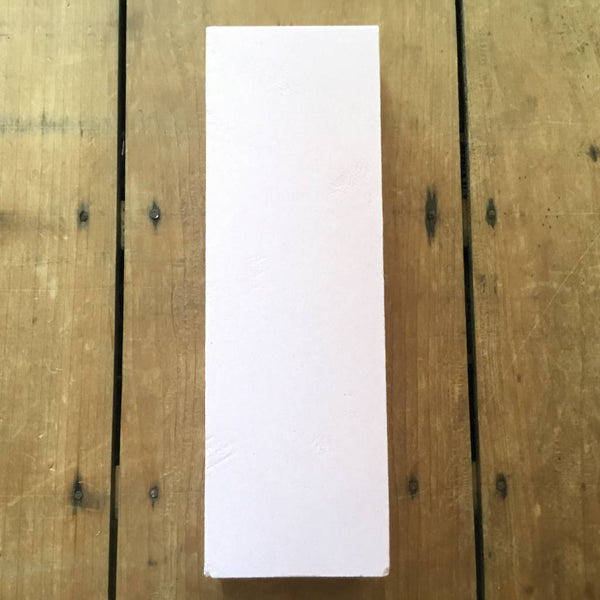
Arato-kun #220 Extra Coarse Grit Whetstone
- Regular Price
- €45,28
- Sale Price
- €45,28
- Regular Price
-
- Unit Price
- per
Sold Out
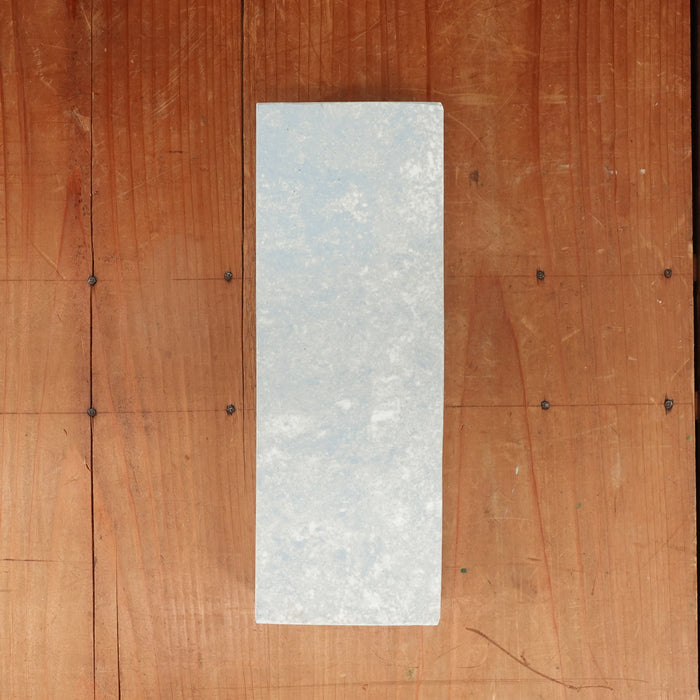
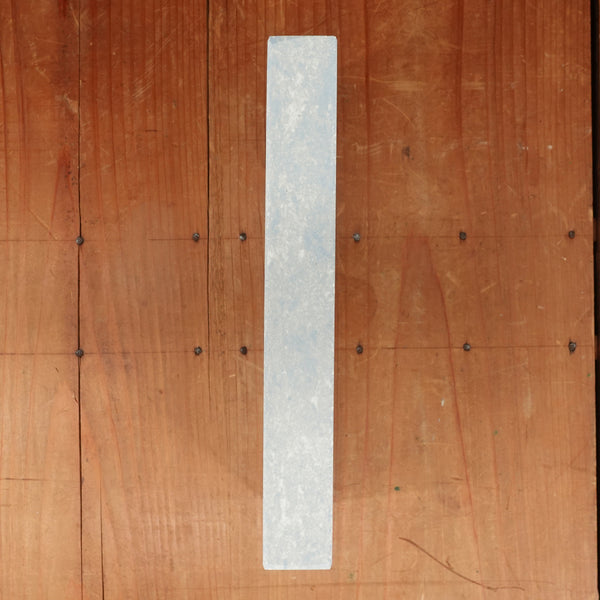
Bernal Cutlery Takarazukushi 1200 Grit Blue Marble Semi-Soft Ceramic Japanese Whetstone
- Regular Price
- €67,01
- Sale Price
- €67,01
- Regular Price
-
- Unit Price
- per
Sold Out
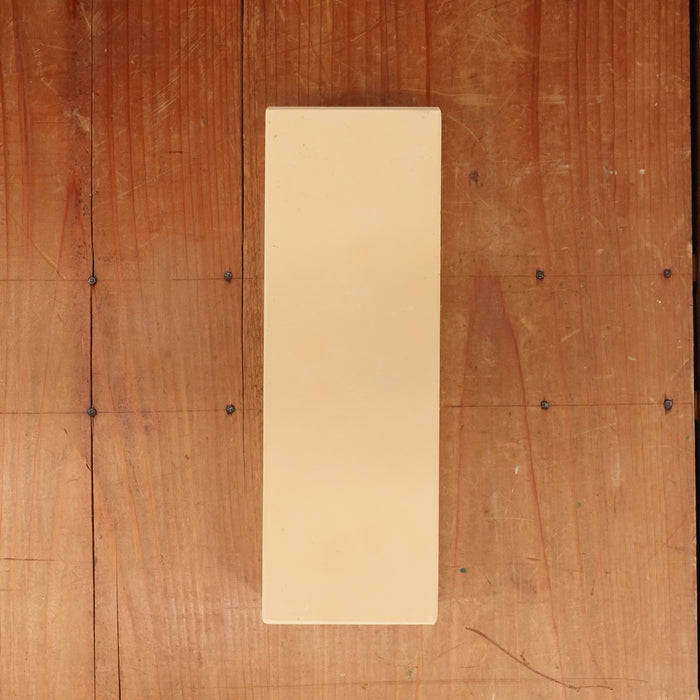
Bernal Cutlery Takarazukushi 4000 Grit Yellow Semi-Hard Resinoid Japanese Whetstone
- Regular Price
- €74,25
- Sale Price
- €74,25
- Regular Price
-
- Unit Price
- per
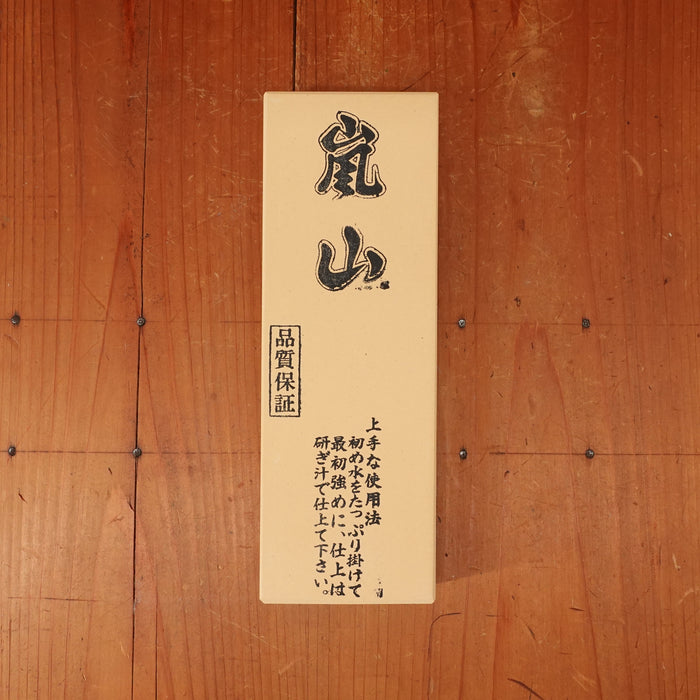
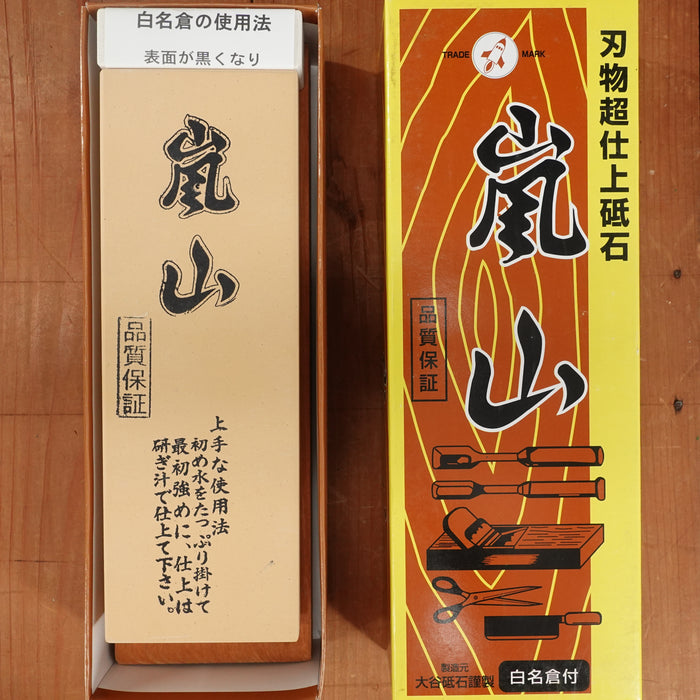
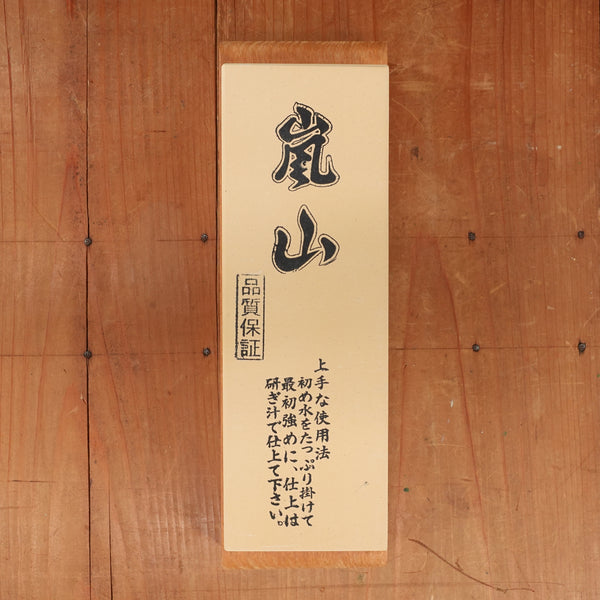
Arashiyama #6000 Whetstone Stone NO Wooden Base
- Regular Price
- €52,52
- Sale Price
- €52,52
- Regular Price
-
- Unit Price
- per
Arashiyama #6000 Whetstone With Nagura Stone and Wooden Base
- Regular Price
- €61,58
- Sale Price
- €61,58
- Regular Price
-
- Unit Price
- per
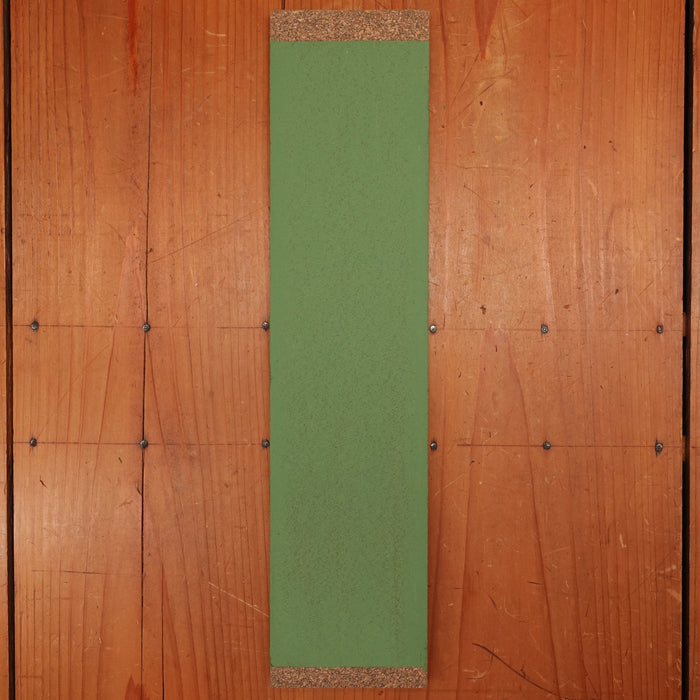
Bernal Cutlery Monodiachrome™ Precharged Deburring Strop
- Regular Price
- €36,22
- Sale Price
- €36,22
- Regular Price
-
- Unit Price
- per