
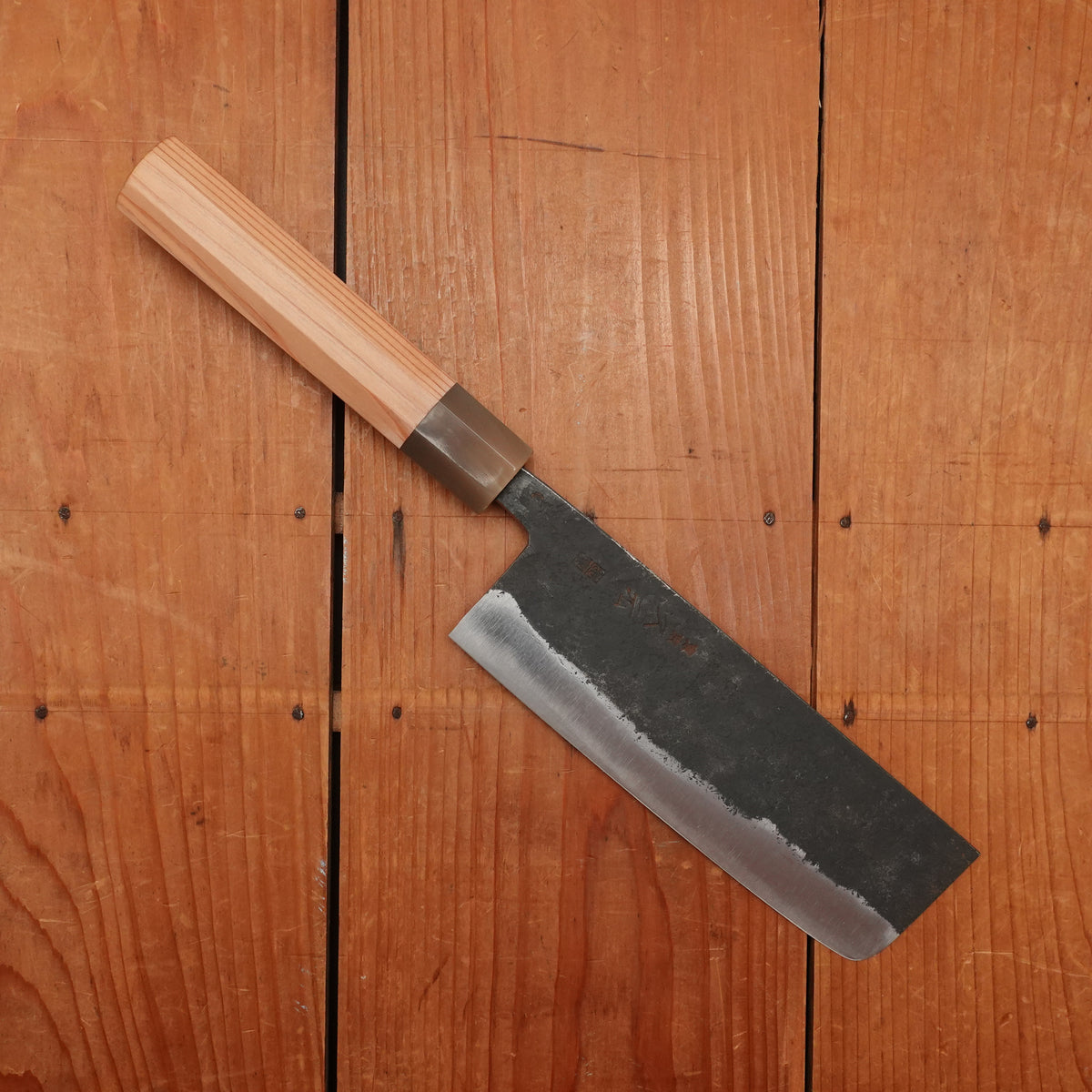
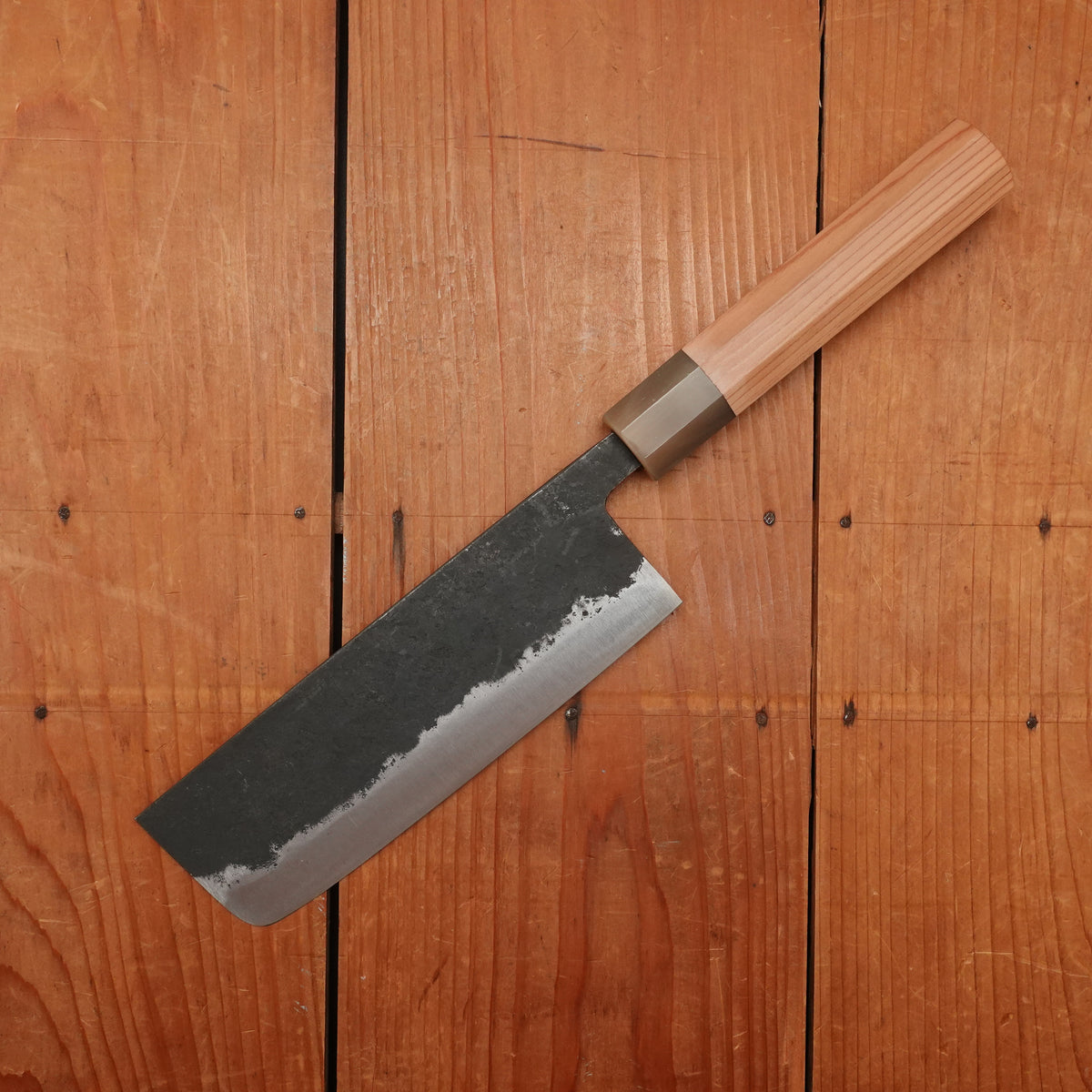
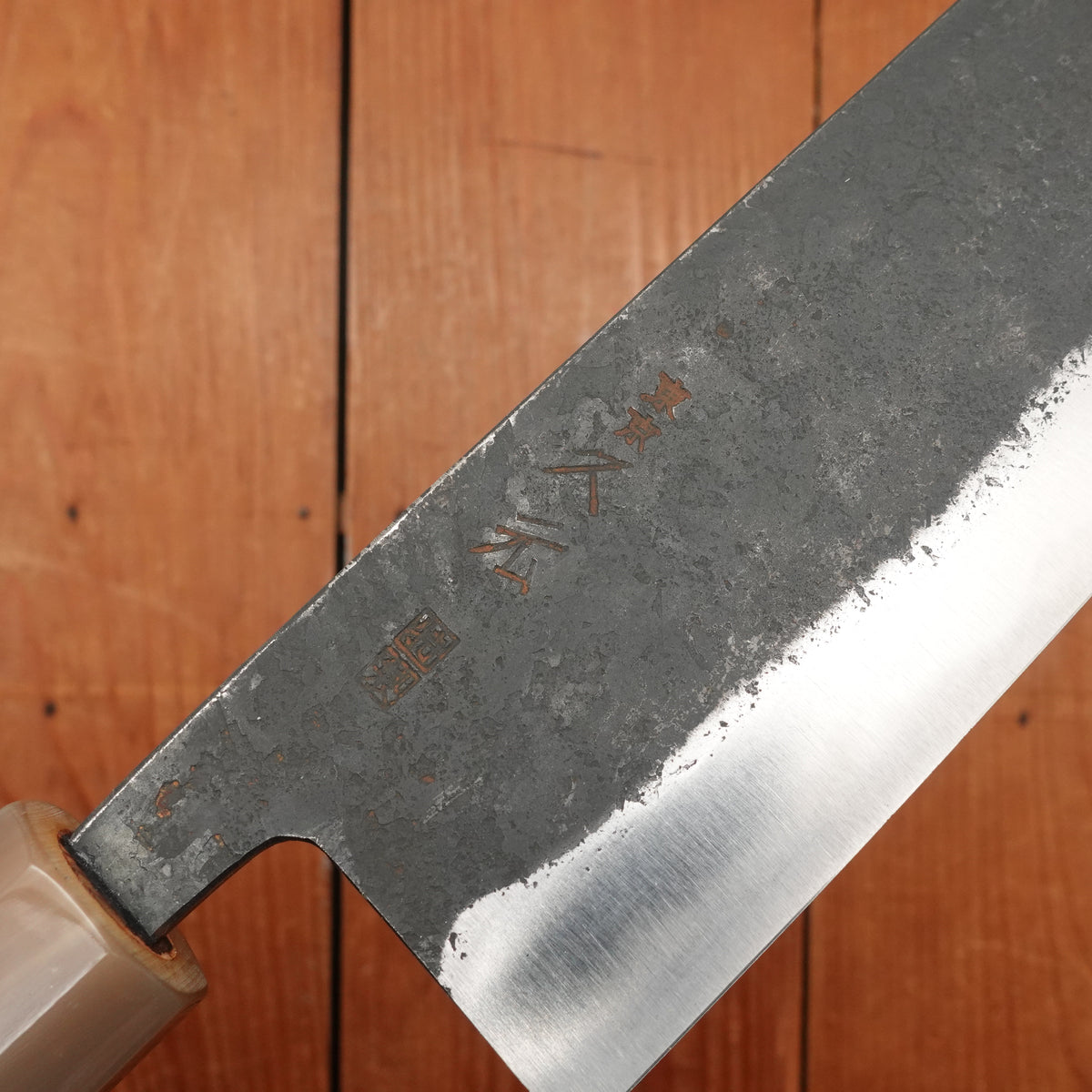
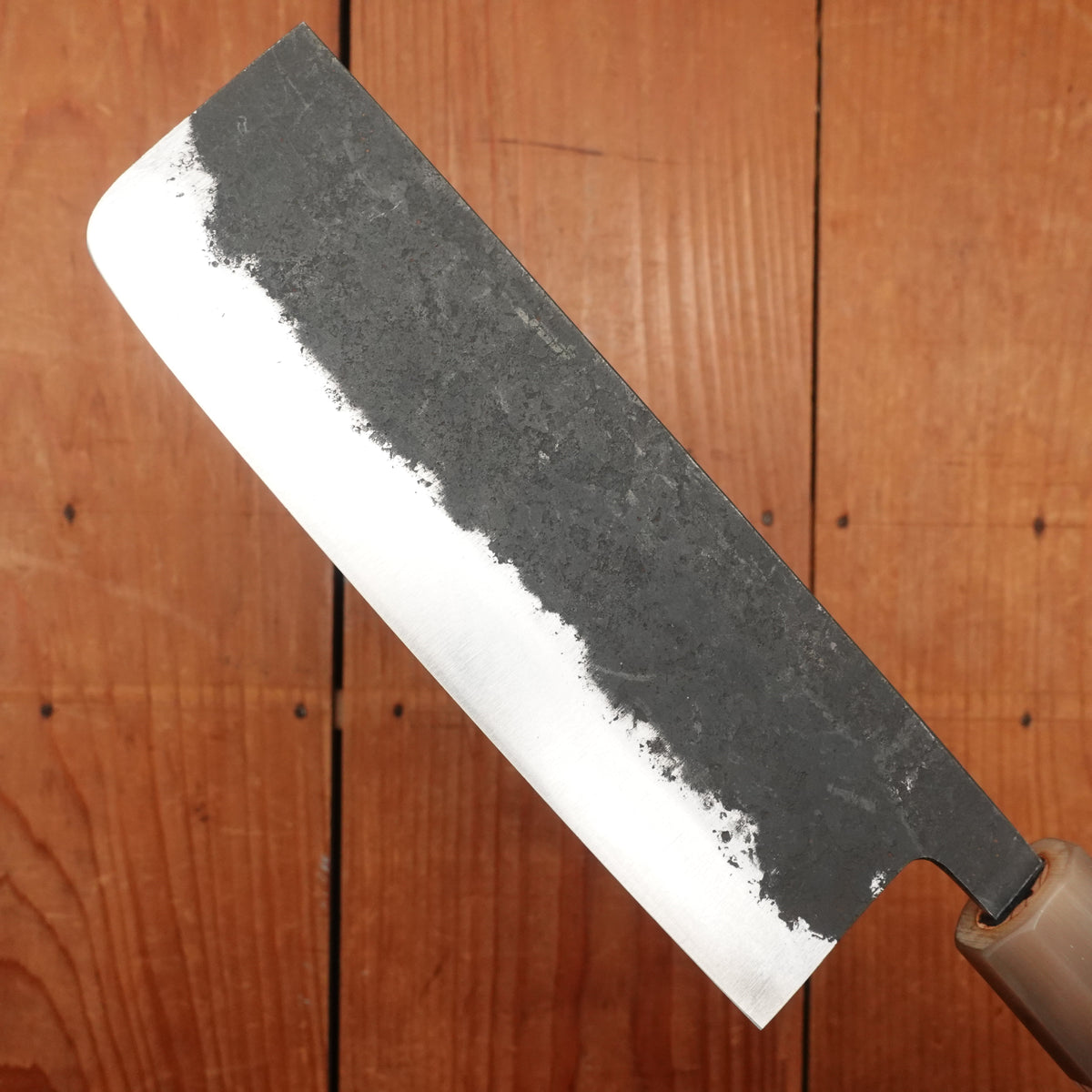
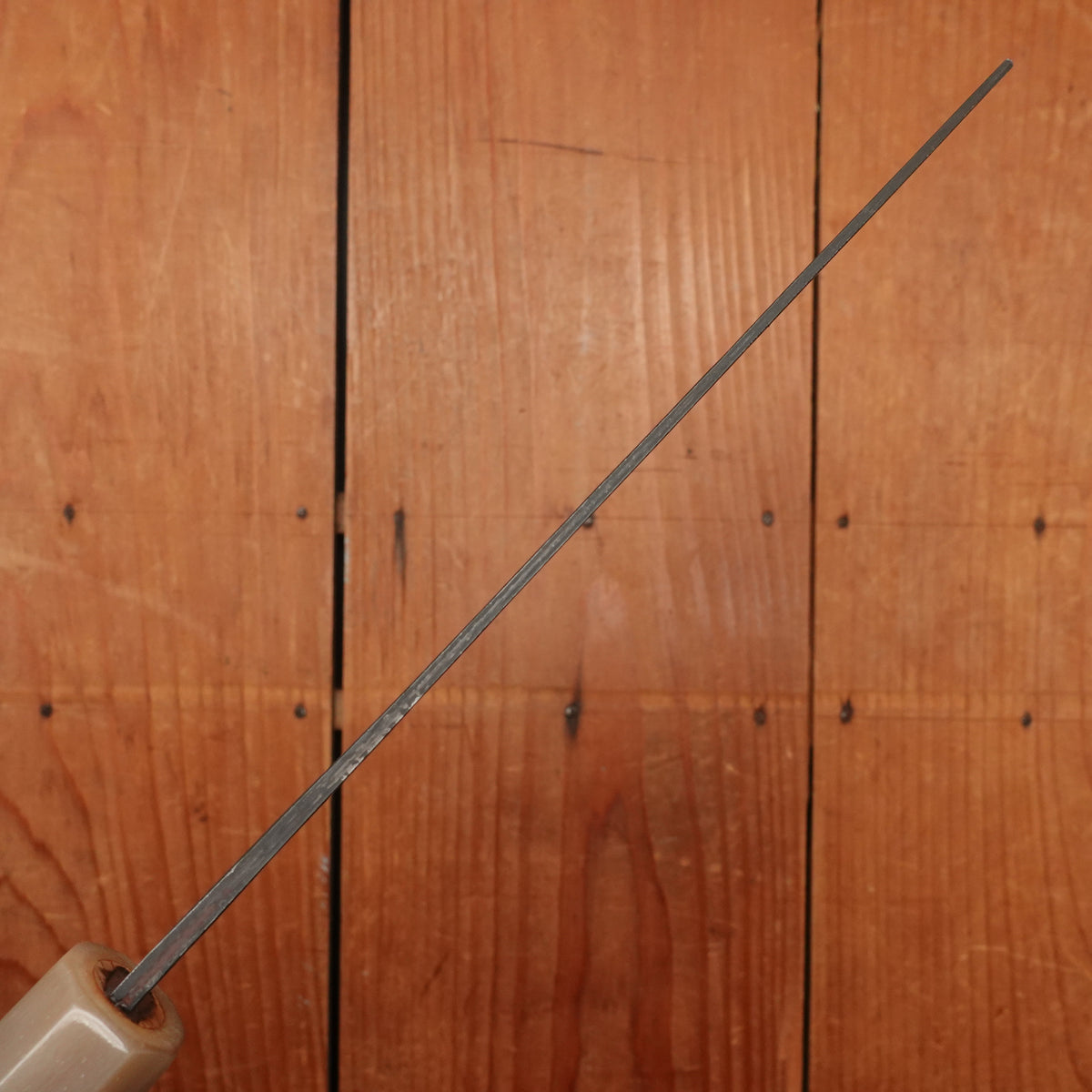
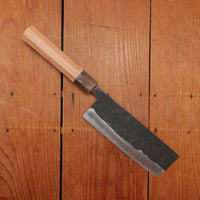
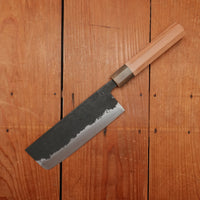
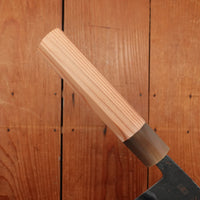
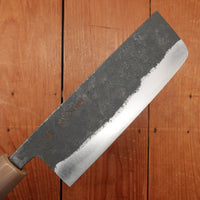
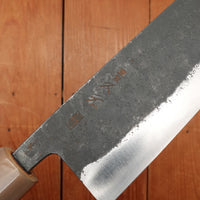
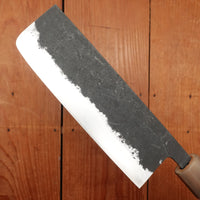
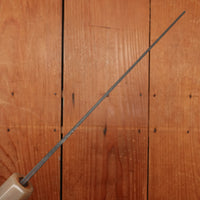
Morihei Hisamoto 165mm Nakiri Kurouchi Shirogami 1 Yakusugi Cedar Handle
-
Regular Price
-
€181,88
-
Sale Price
-
€181,88
-
Regular Price
-
Sold Out
-
Unit Price
- per
- Regular Price
- €181,88
- Sale Price
- €181,88
- Regular Price
- Unit Price
- per
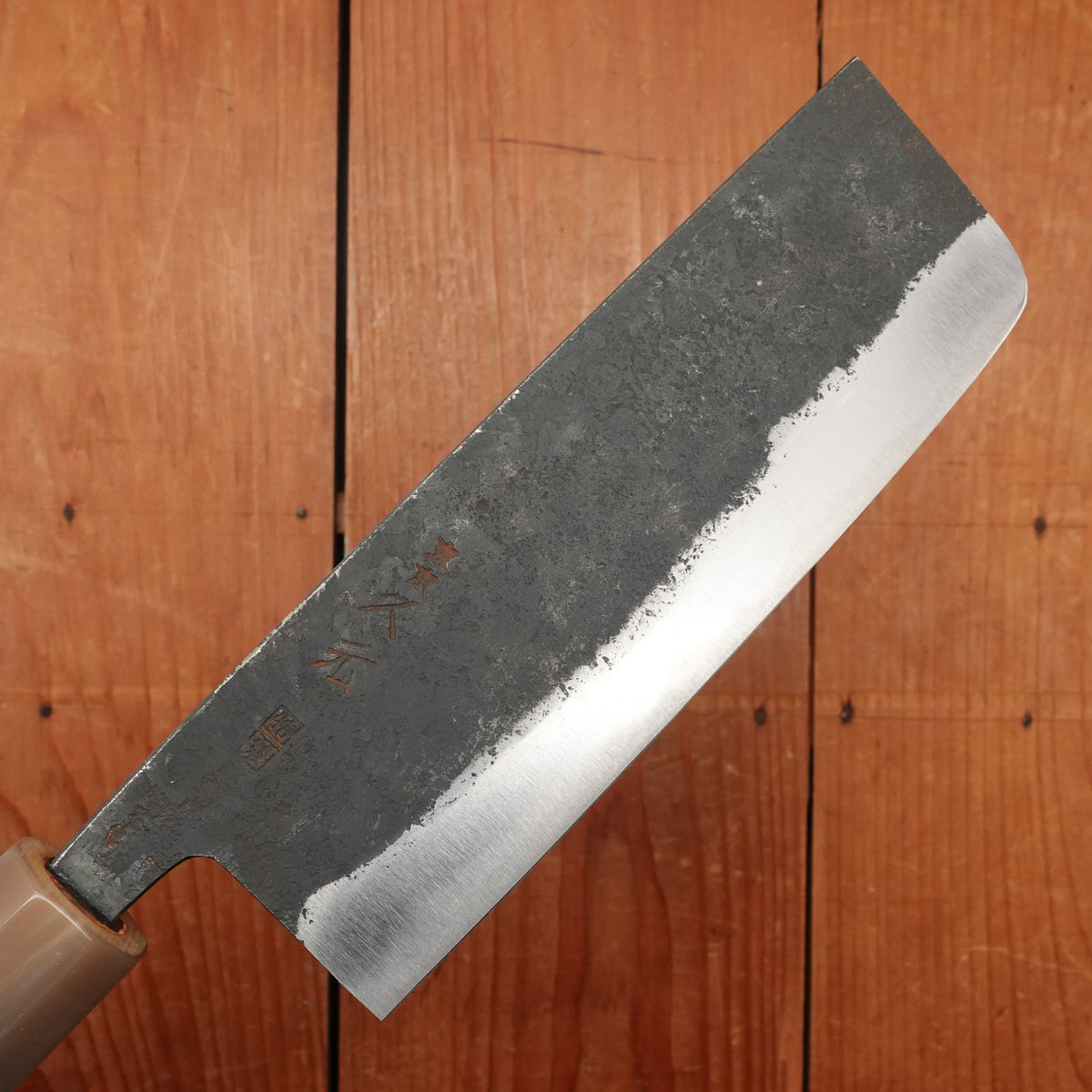
Morihei Hisamoto 165mm nakiri hand forged in Tokyo with a hard tempered shirogami 1 core clad in soft iron.
Forged and ground thin these represent excellent quality work with a simple finished grind that keeps them affordable.
Shirogami 1 is capable of taking an exceedingly fine edge with excellent edge life, finishing with fine synthetic or especially fine natural stones is highly recommended on this series.
Avoid twisting, scraping or cutting hard ingredients such as bones, pits, shells etc. ideal for vegetables and boneless proteins.
This is a non-stainless carbon steel, it should be mentioned that extra care is required, it should be washed and dried immediately after use. It will develop a dark patina with usage, but any orange rust should be removed with a light abrasive.
About This Knife


Nakiri

Total Length: 315mm
Edge Length: 162mm
Heel Height: 56mm
Spine Thickness: 3.5mm
Weight:
Orientation: Ambidextrous
Steel Type: Shirogami 1 (White Paper #1)
Steel Hardness (HRC):
Maintenance: More Attention
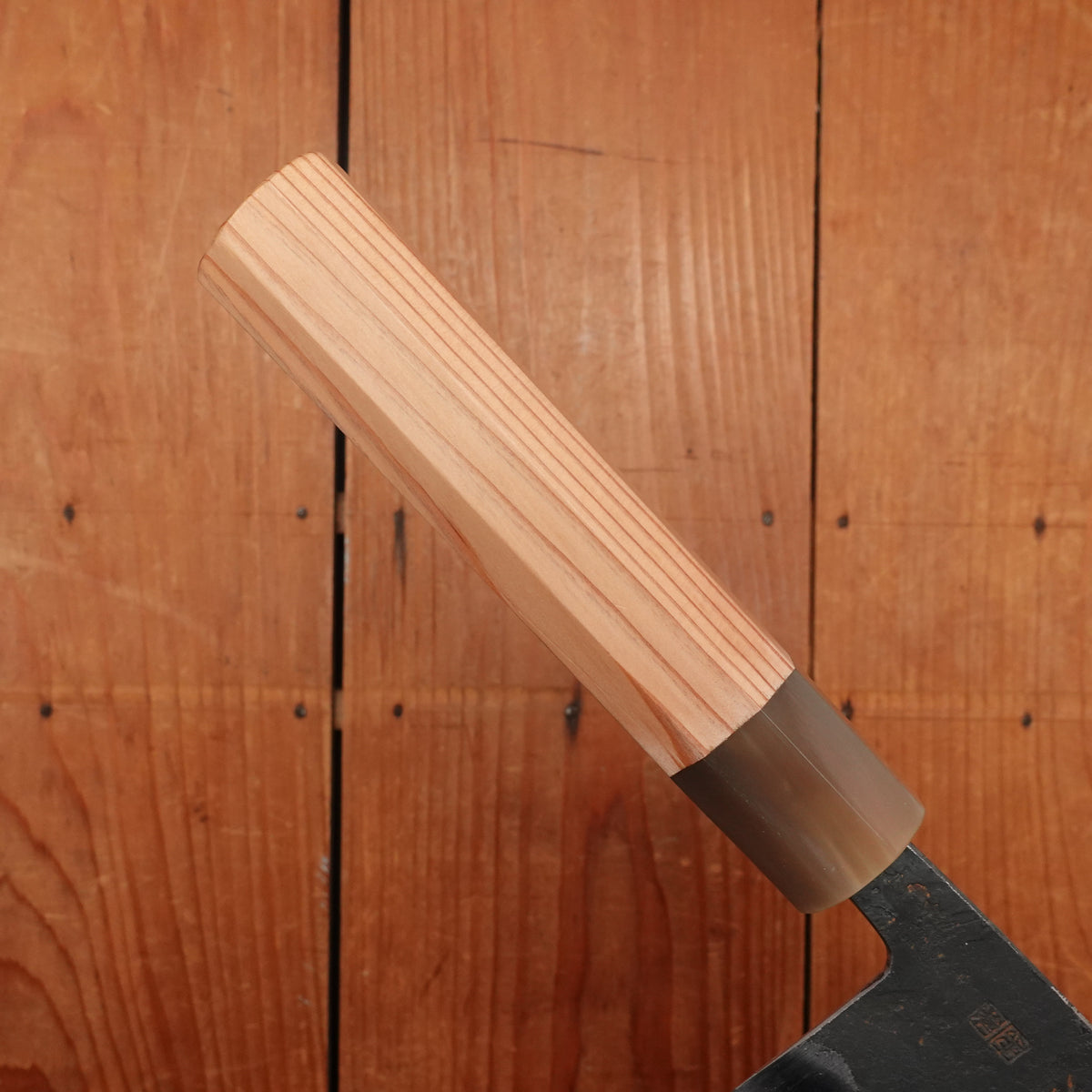
Handle Type: Japanese (wa)
Handle Material: Magnolia (Ho) & Horn Ferrule
Dive Deeper
Medium-Fine finish - Japanese
Sharpening Supplies
Stones & Accessories selected specifically for this knife.
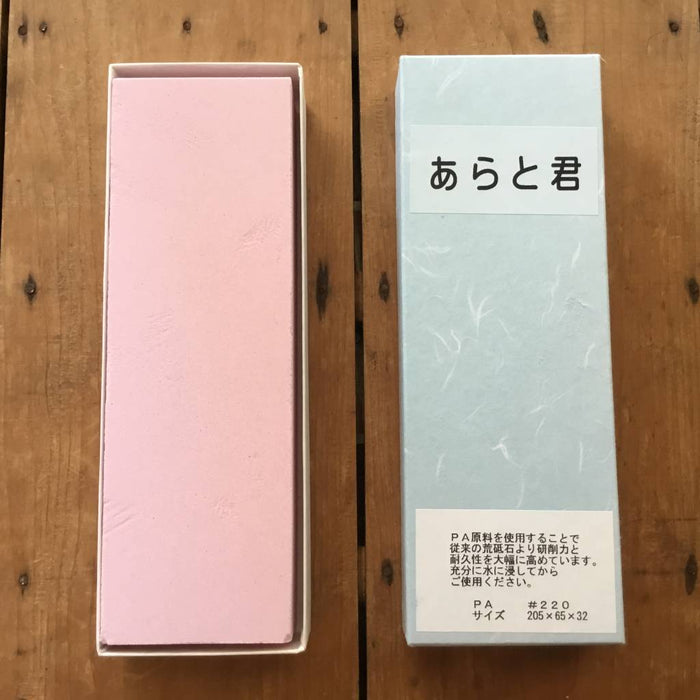
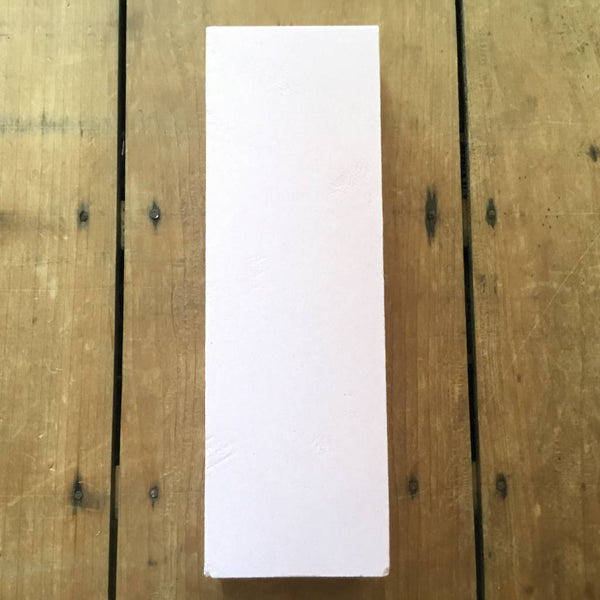
Arato-kun #220 Extra Coarse Grit Whetstone
- Regular Price
- €44,58
- Sale Price
- €44,58
- Regular Price
-
- Unit Price
- per
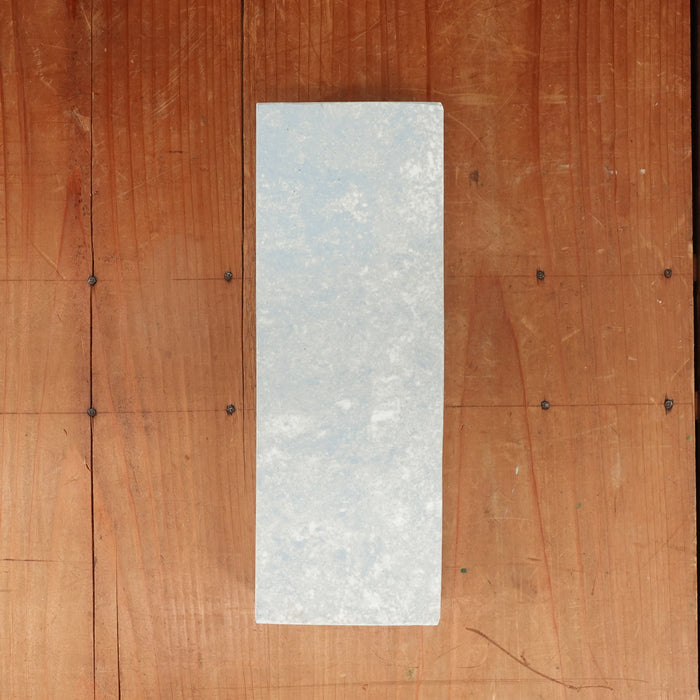
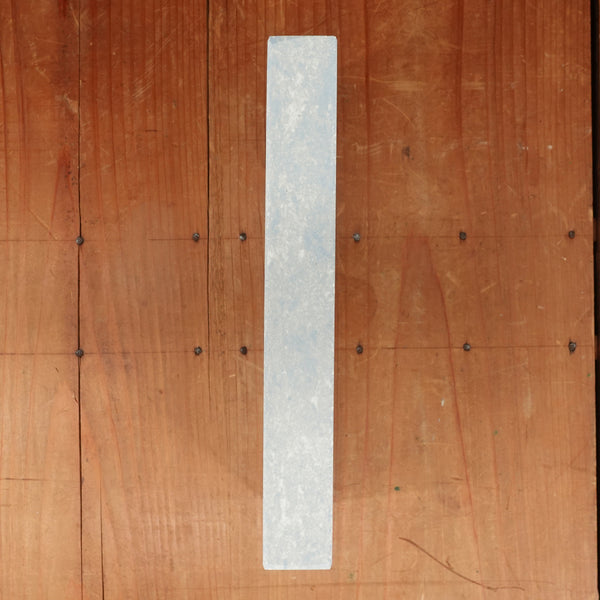
Bernal Cutlery Takarazukushi 1200 Grit Blue Marble Semi-Soft Ceramic Japanese Whetstone
- Regular Price
- €65,98
- Sale Price
- €65,98
- Regular Price
-
- Unit Price
- per
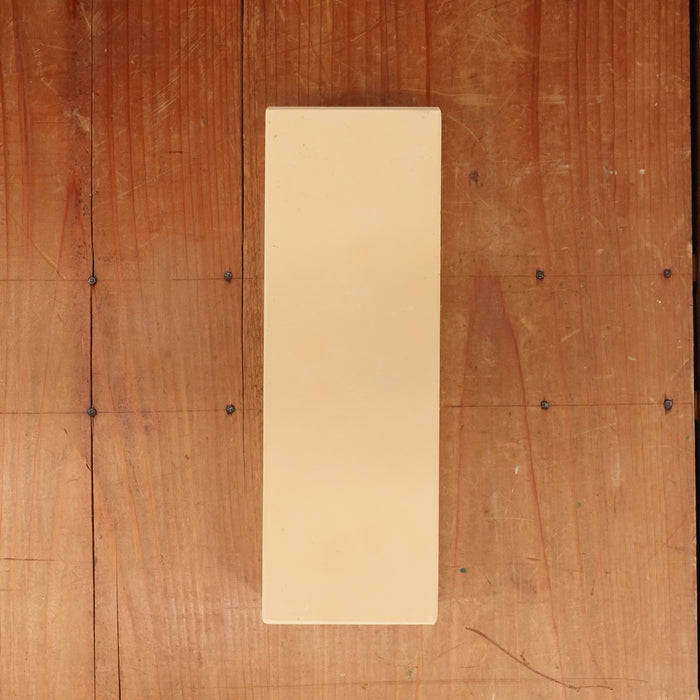
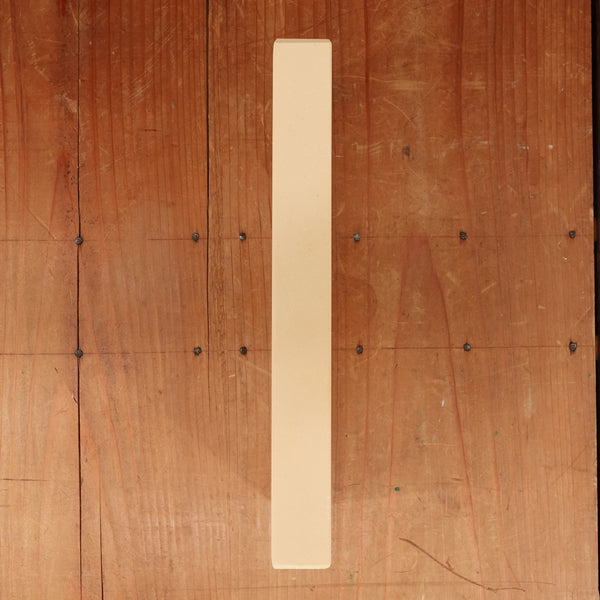
Bernal Cutlery Takarazukushi 4000 Grit Yellow Semi-Hard Resinoid Japanese Whetstone
- Regular Price
- €73,11
- Sale Price
- €73,11
- Regular Price
-
- Unit Price
- per
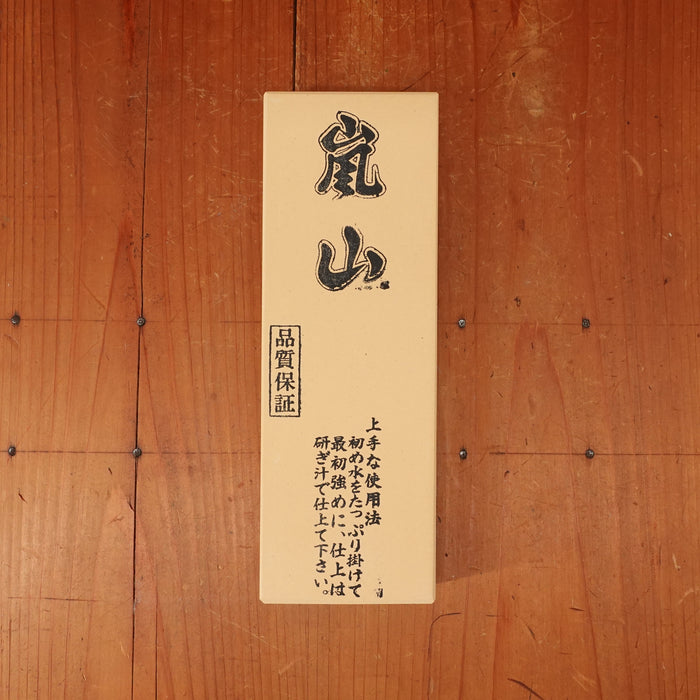
Arashiyama #6000 Whetstone Stone NO Wooden Base
- Regular Price
- €51,71
- Sale Price
- €51,71
- Regular Price
-
- Unit Price
- per
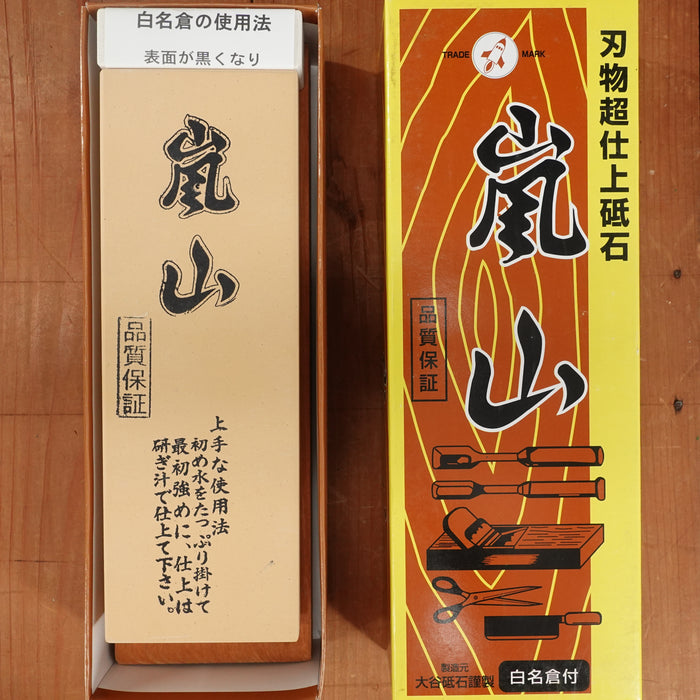
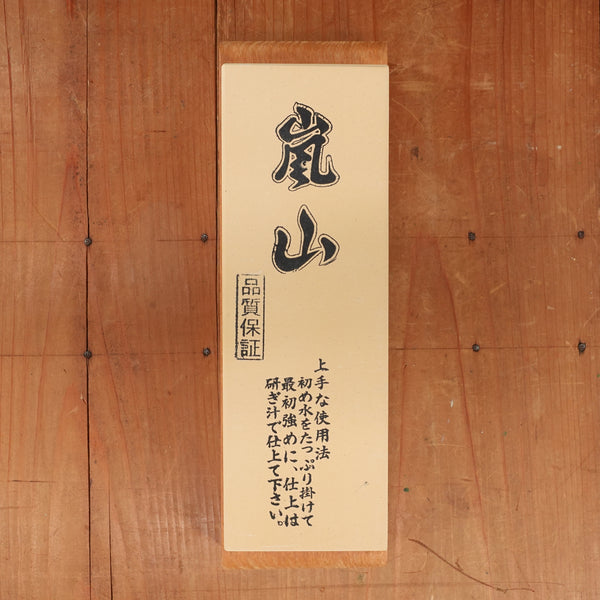
Arashiyama #6000 Whetstone With Nagura Stone and Wooden Base
- Regular Price
- €60,63
- Sale Price
- €60,63
- Regular Price
-
- Unit Price
- per
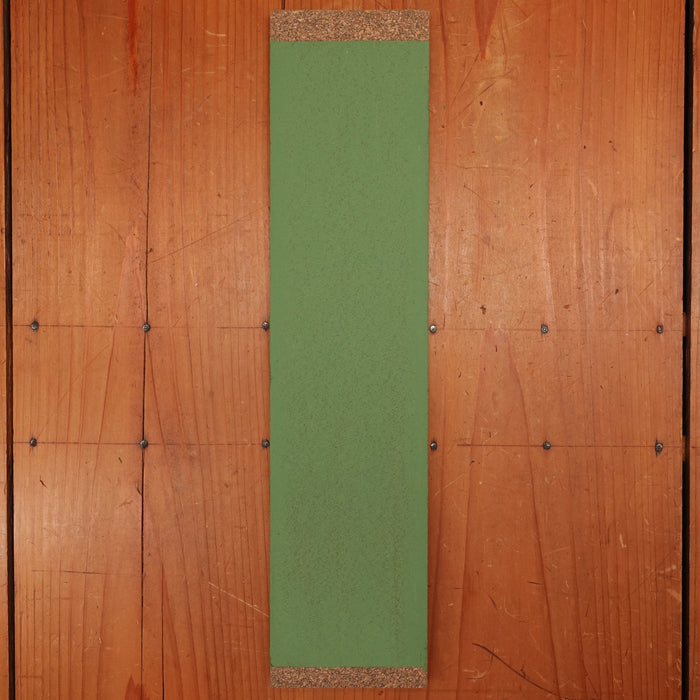
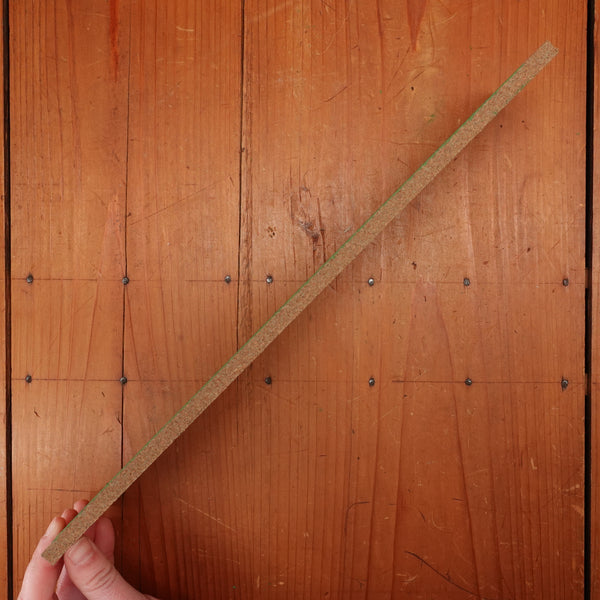
Bernal Cutlery Monodiachrome™ Precharged Deburring Strop
- Regular Price
- €35,66
- Sale Price
- €35,66
- Regular Price
-
- Unit Price
- per

