
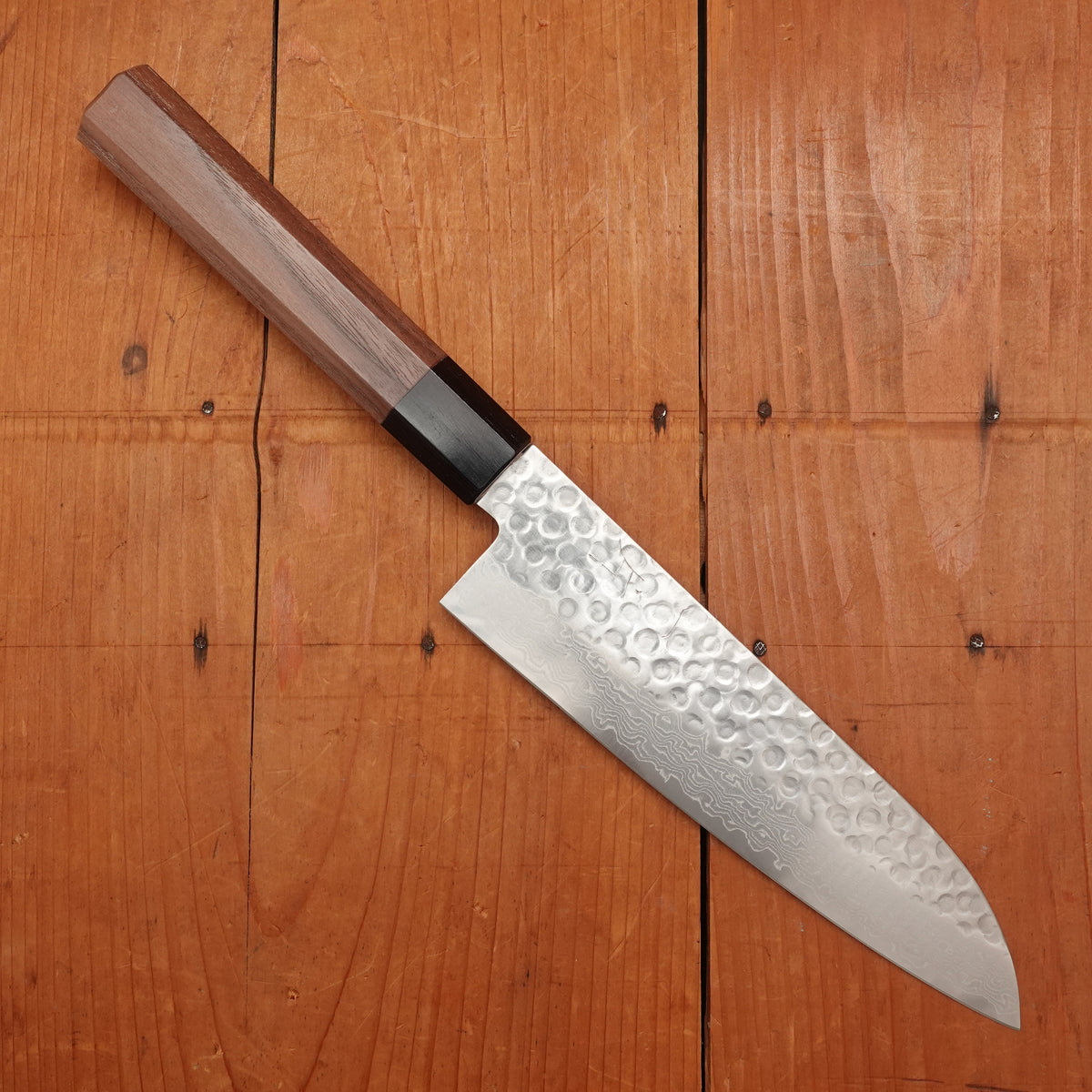
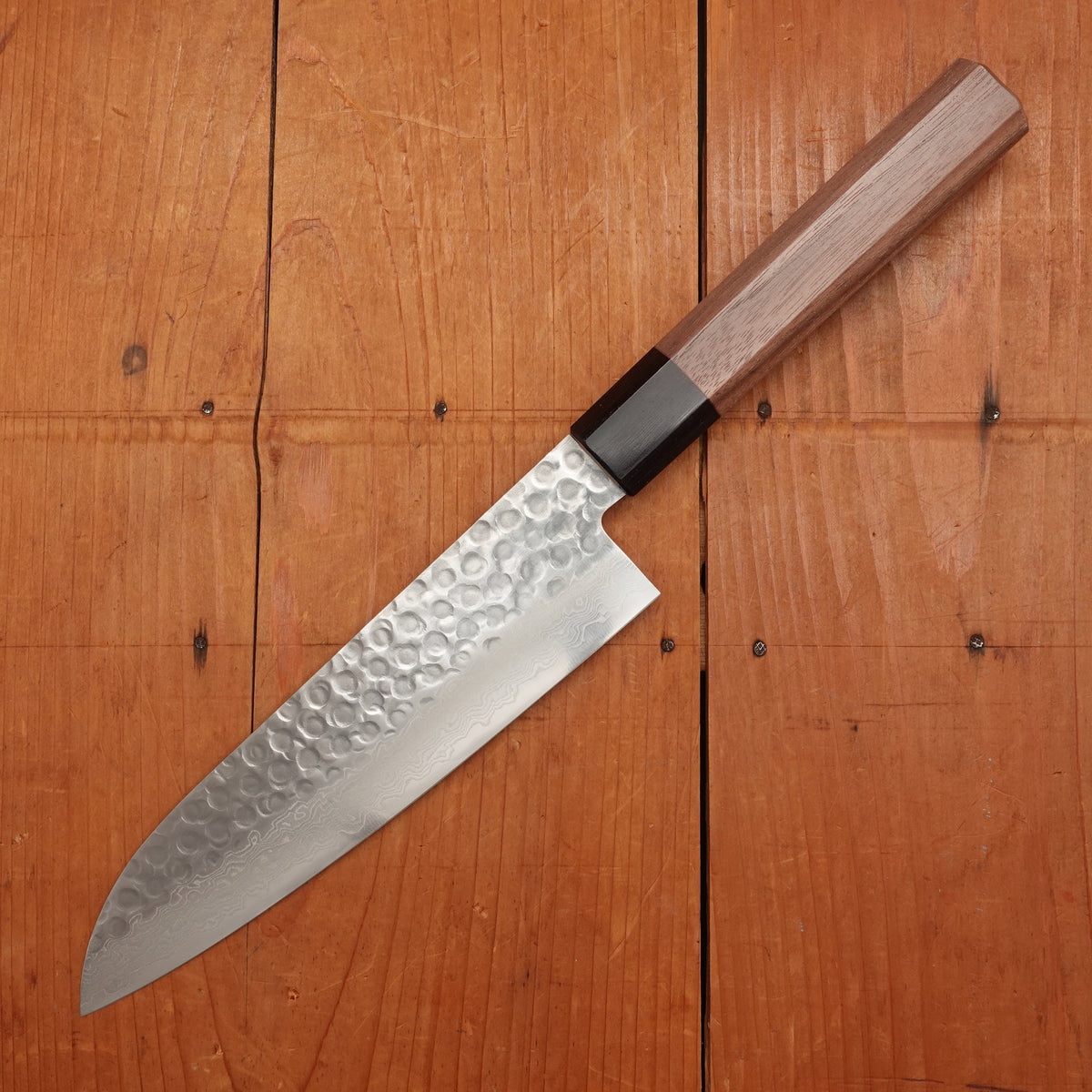
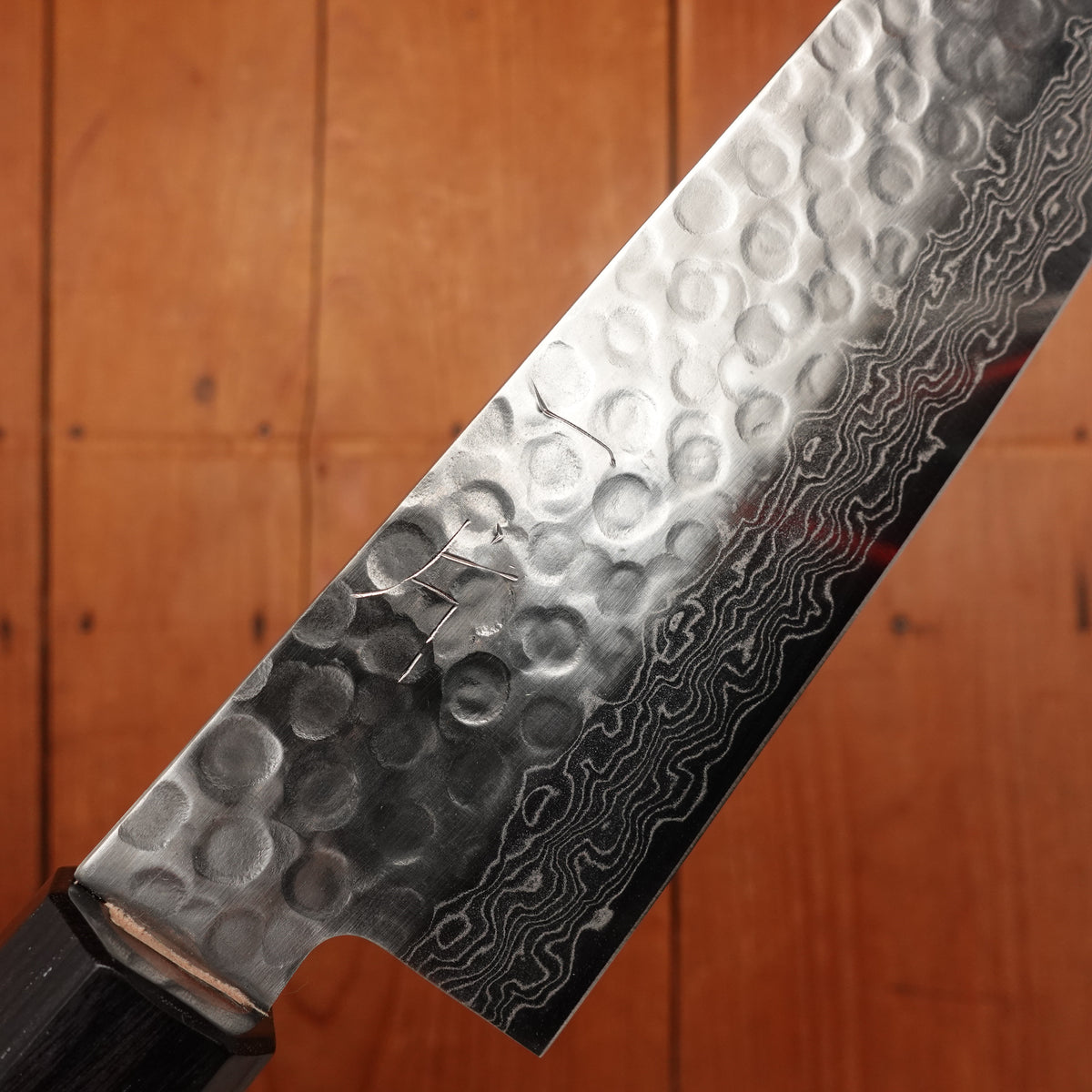
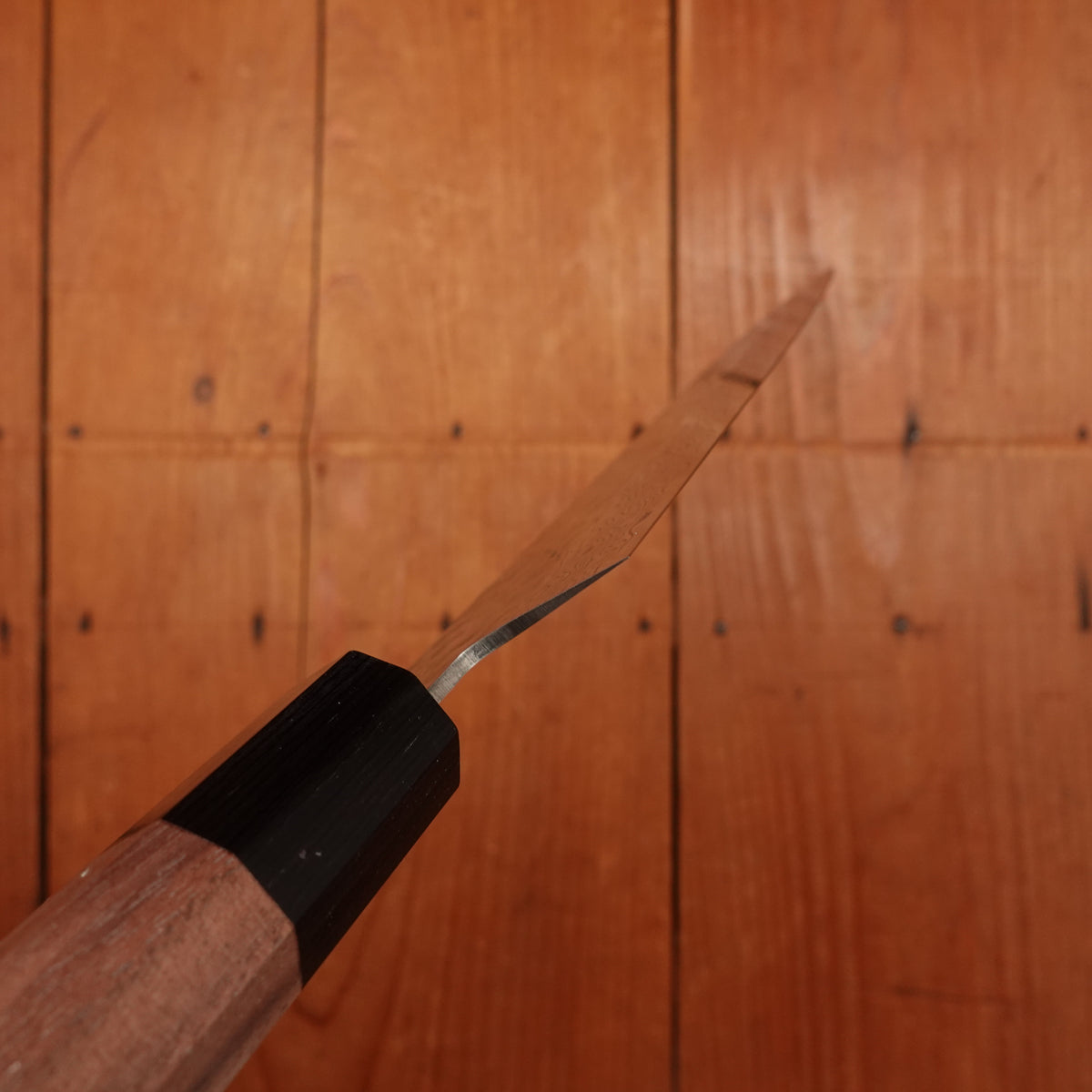
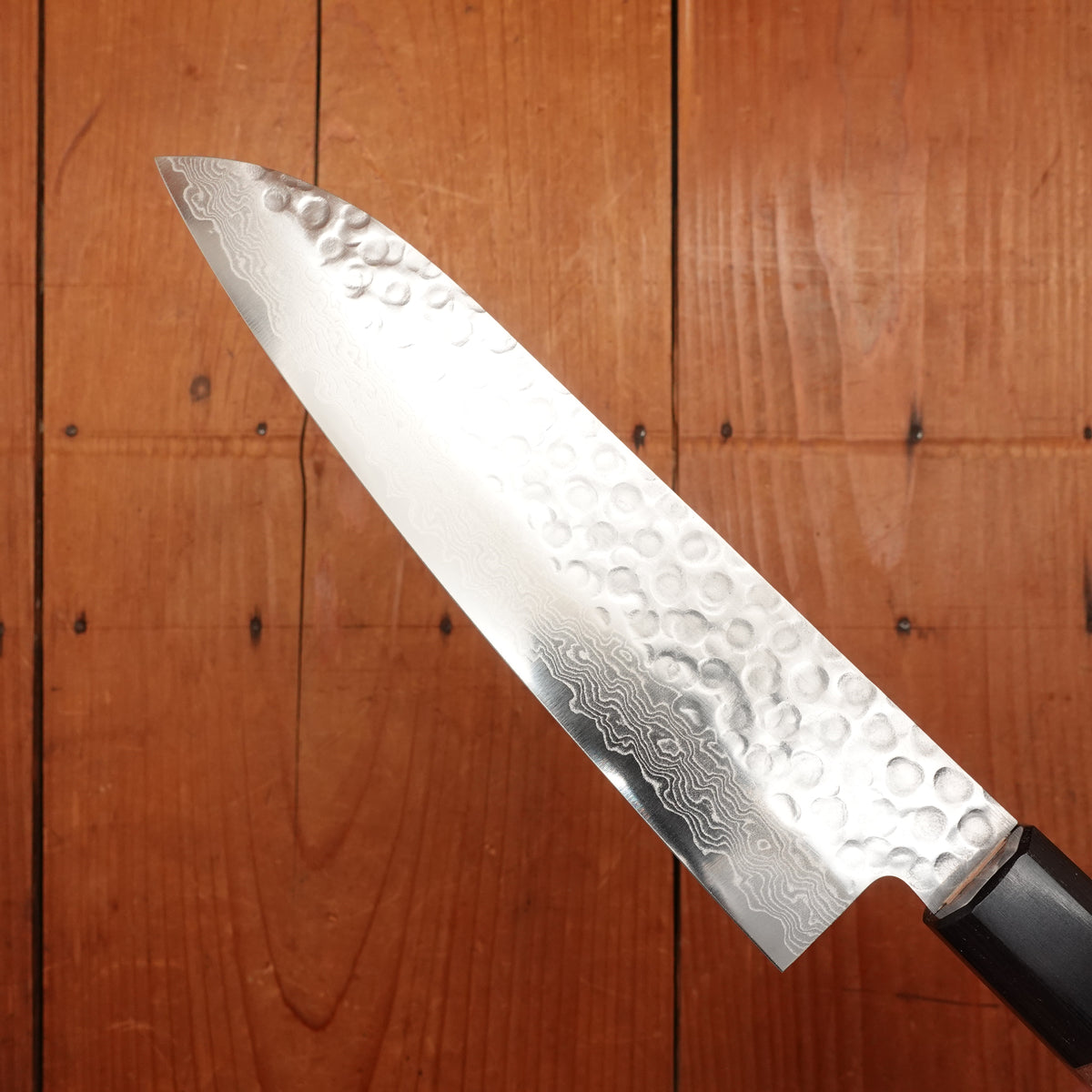
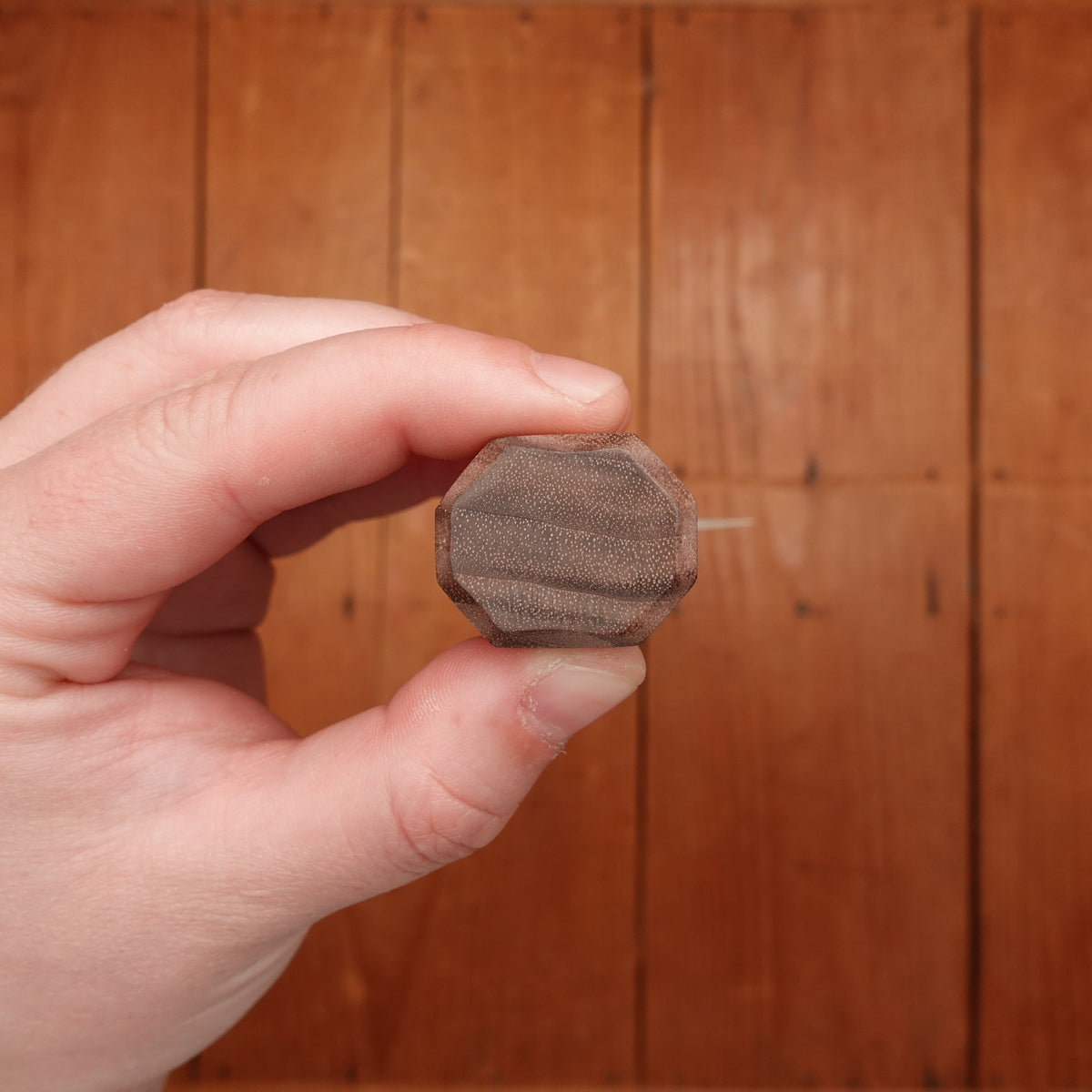
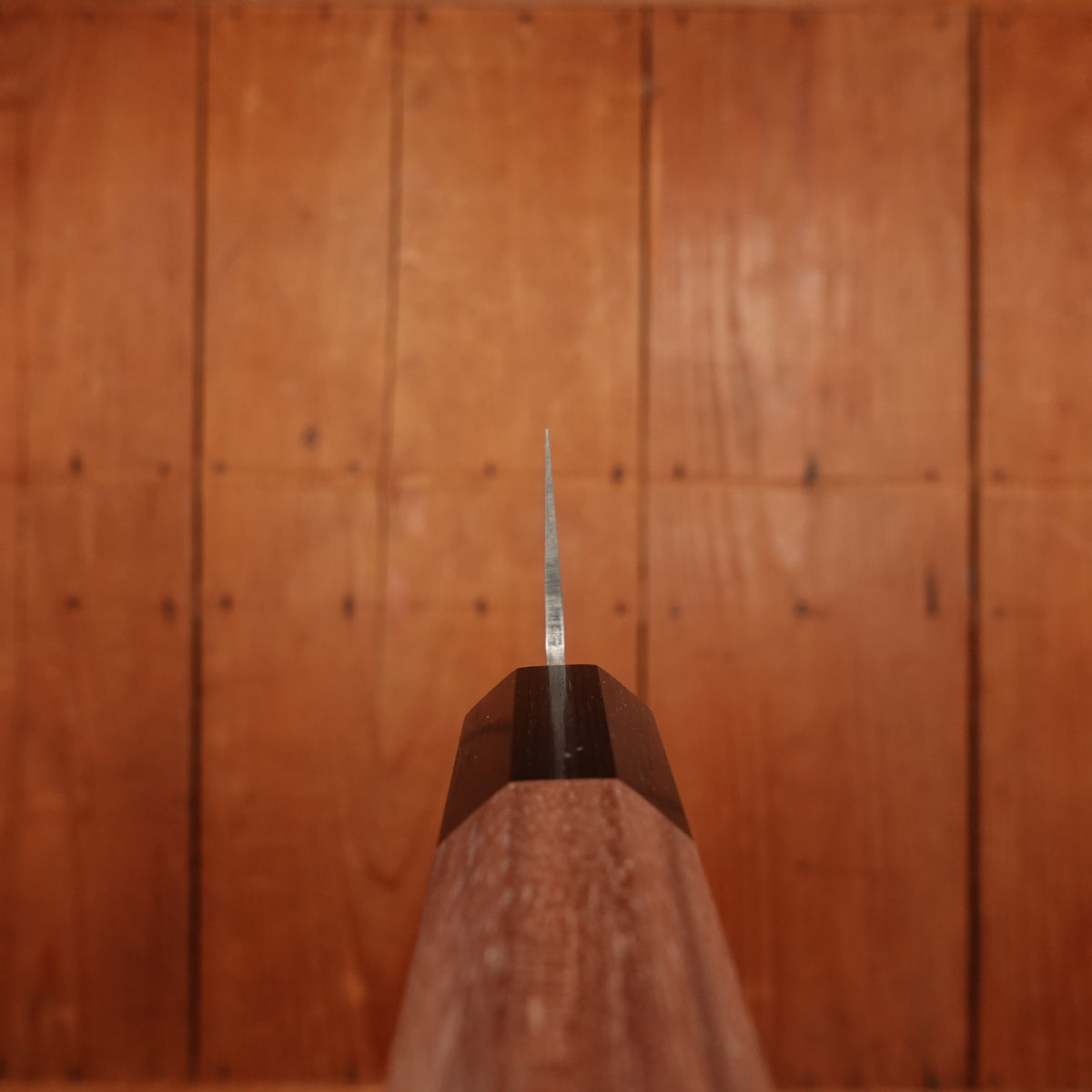
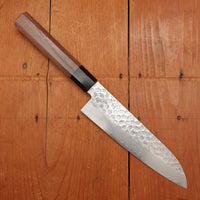
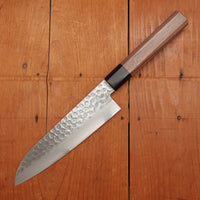
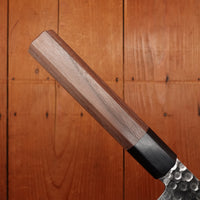
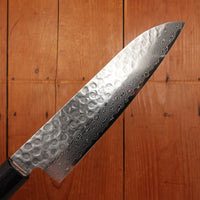
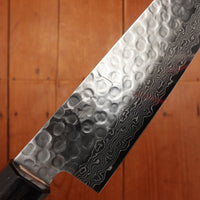
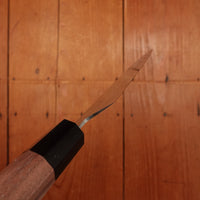
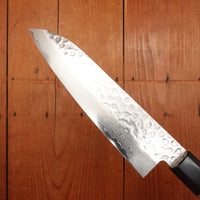
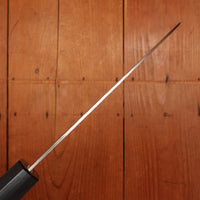
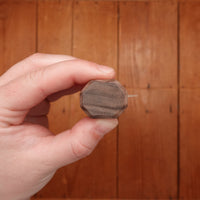
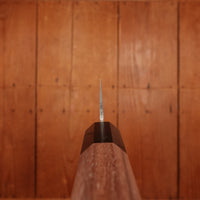
Hitohira HG 185mm Santoku Stainless Tsuchime Damascus Walnut Handle
-
Regular Price
-
€212,72
-
Sale Price
-
€212,72
-
Regular Price
-
Sold Out
-
Unit Price
- per
- Regular Price
- €212,72
- Sale Price
- €212,72
- Regular Price
Sold Out
- Unit Price
- per
Shipping calculated at checkout.
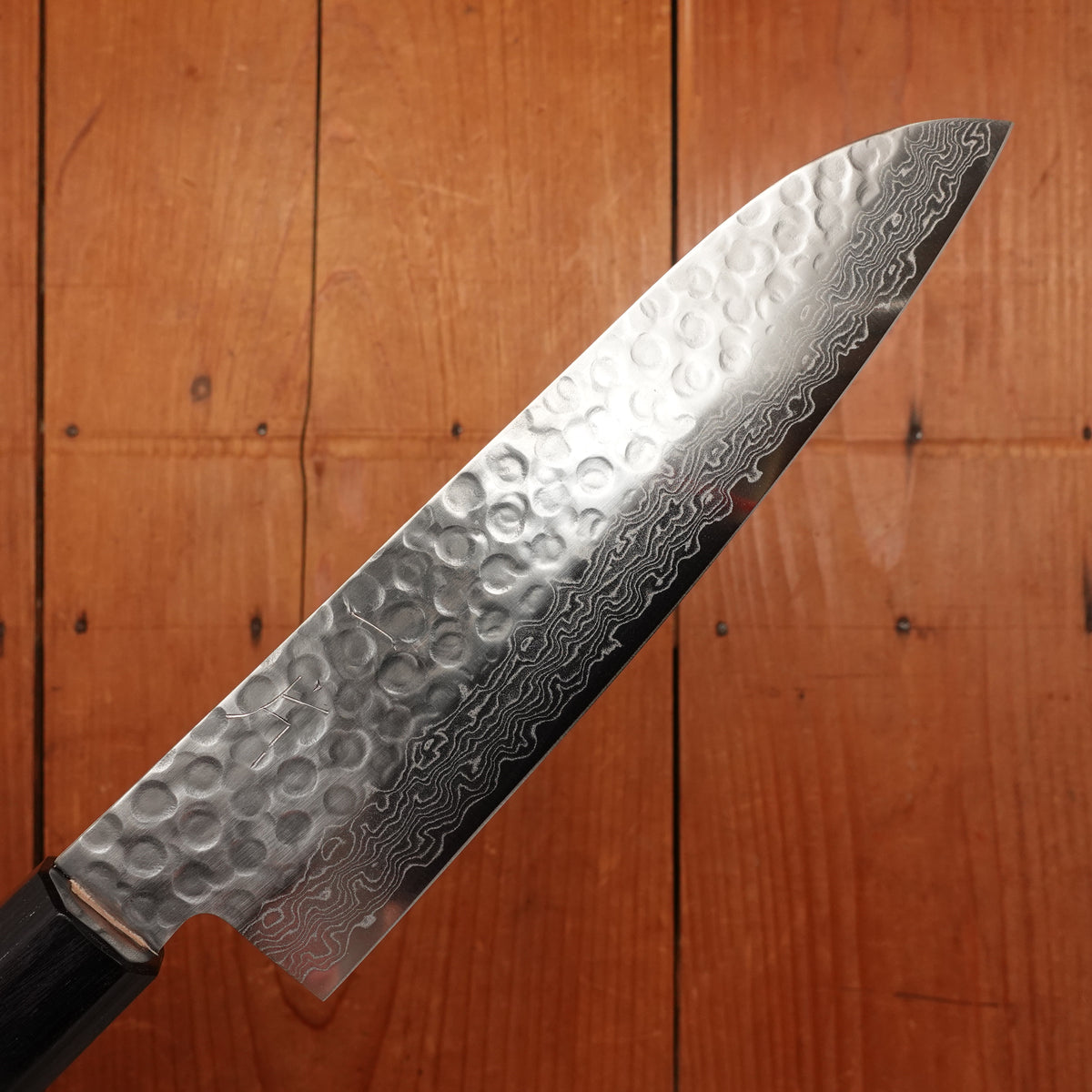
A good combination of toughness and edge life on this series; the broken up surface area of the face of the blade makes for good food release.
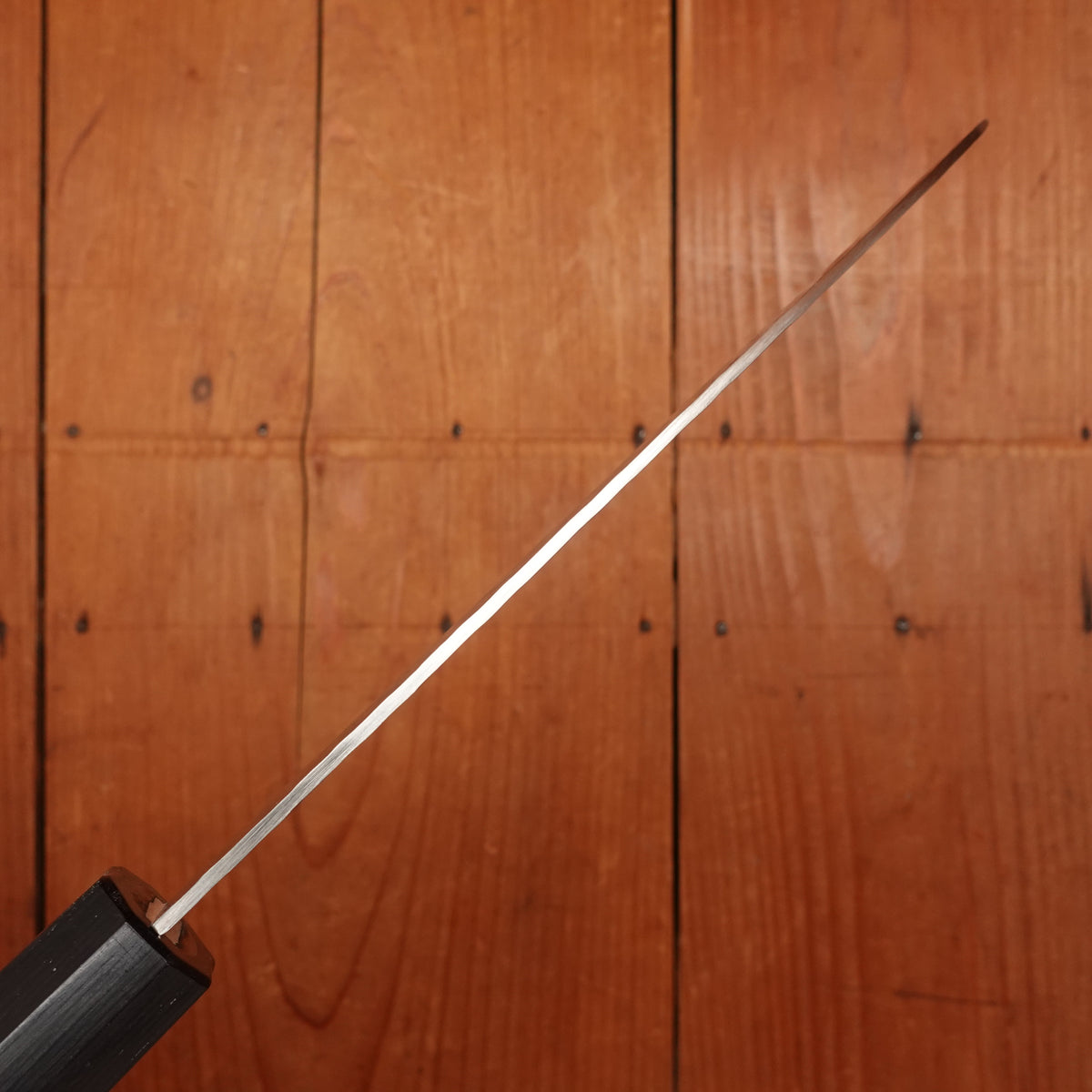
Due to the relatively thin edges please avoid cutting hard items or twisting or rolling the edge sideways in a cut.
About This Knife


Santoku

Listed Length: 185mm
Total Length: 330mm
Edge Length: 195mm
Heel Height: 45mm
Spine Thickness: 2.1mm
Weight:
Orientation: Ambidextrous
Blade Type:
Steel Type:
Steel Hardness (HRC):
Reactive: Less Attention
Handle Type: Japanese (wa)
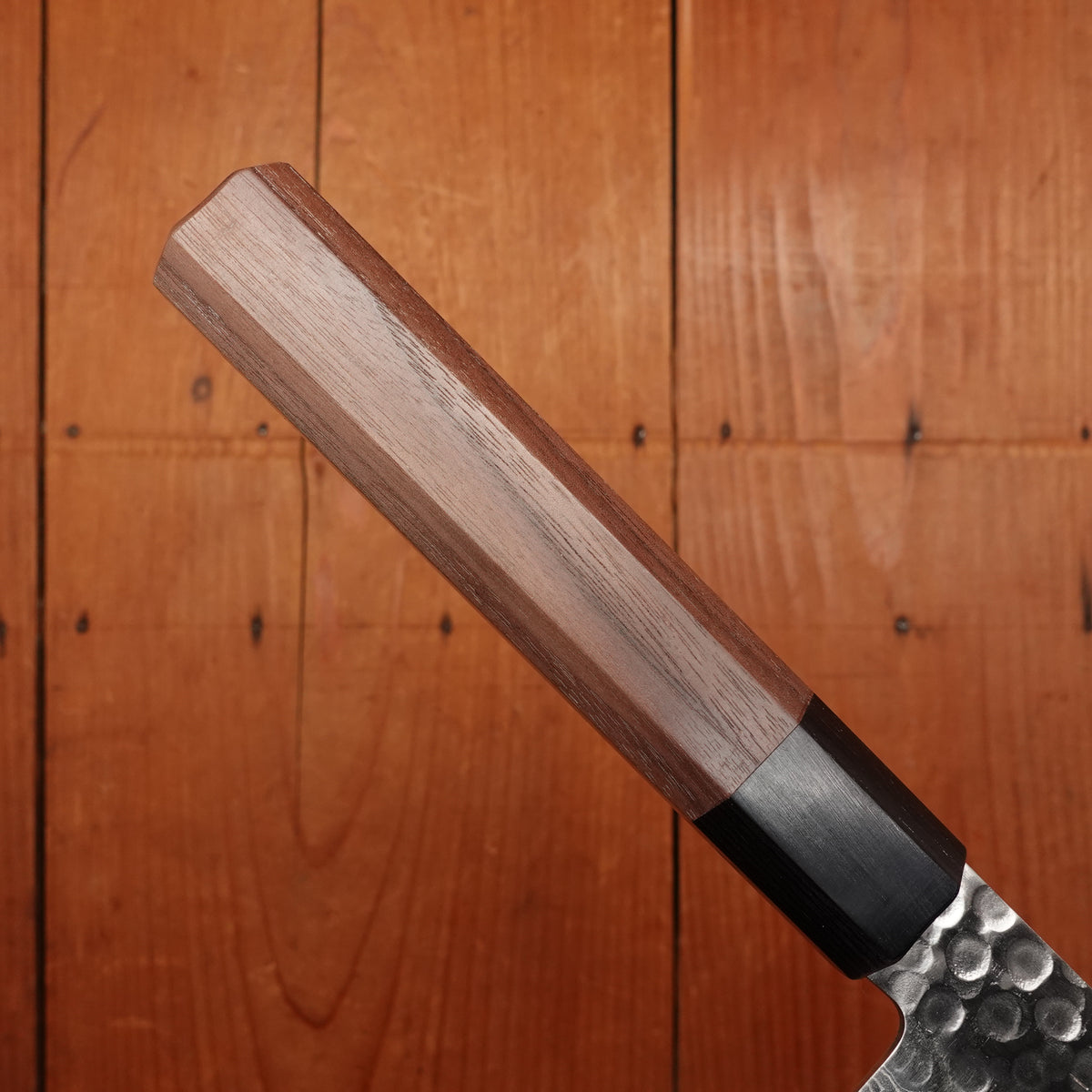
Handle Material: Walnut Wood
Dive Deeper
Medium-Fine finish - Japanese
Sharpening Supplies
Stones & Accessories selected specifically for this knife.
Sold Out
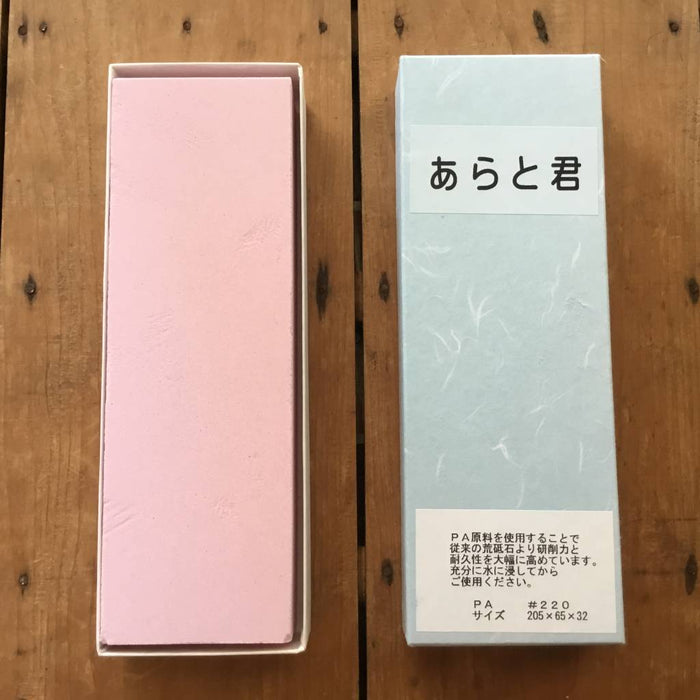
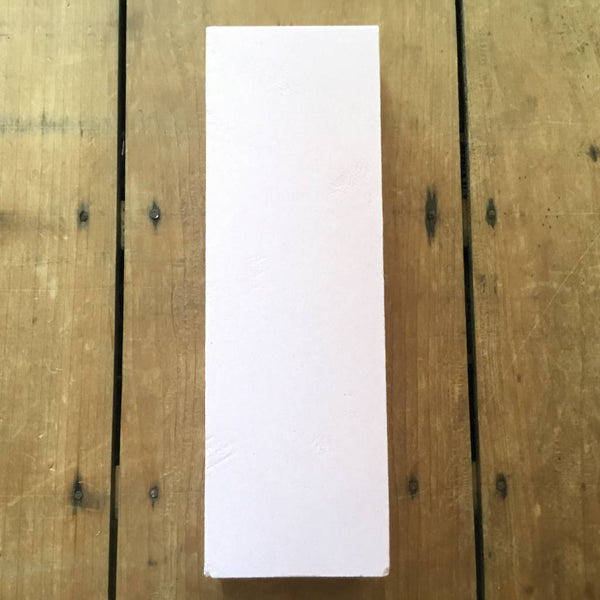
Arato-kun #220 Extra Coarse Grit Whetstone
- Regular Price
- €45,26
- Sale Price
- €45,26
- Regular Price
-
- Unit Price
- per
Sold Out
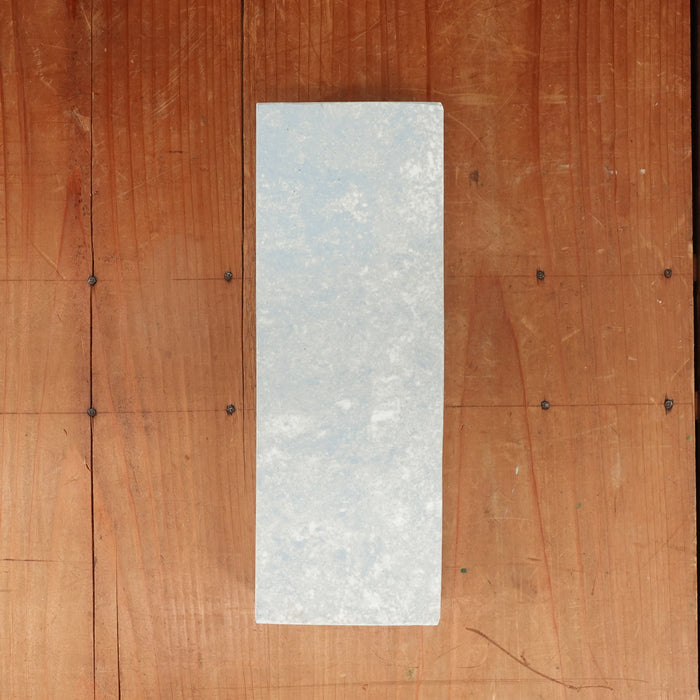
Bernal Cutlery Takarazukushi 1200 Grit Blue Marble Semi-Soft Ceramic Japanese Whetstone
- Regular Price
- €66,98
- Sale Price
- €66,98
- Regular Price
-
- Unit Price
- per
Sold Out
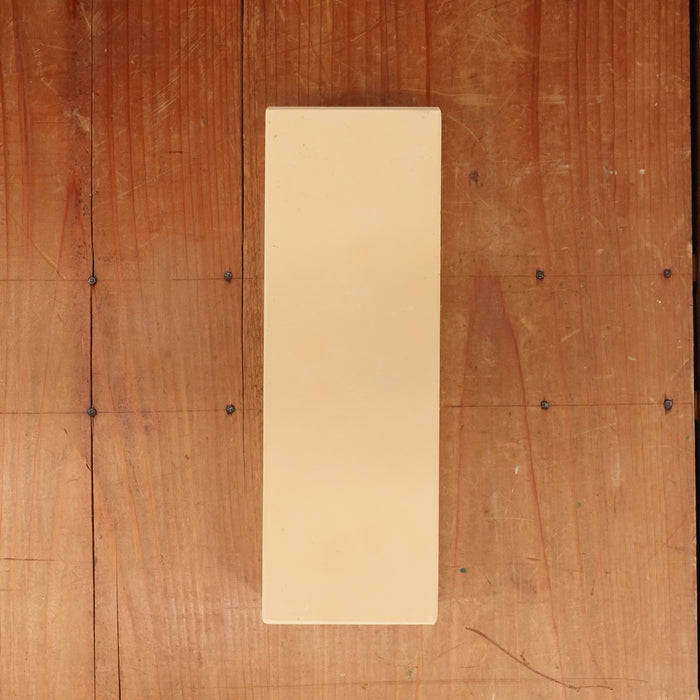
Bernal Cutlery Takarazukushi 4000 Grit Yellow Semi-Hard Resinoid Japanese Whetstone
- Regular Price
- €74,23
- Sale Price
- €74,23
- Regular Price
-
- Unit Price
- per
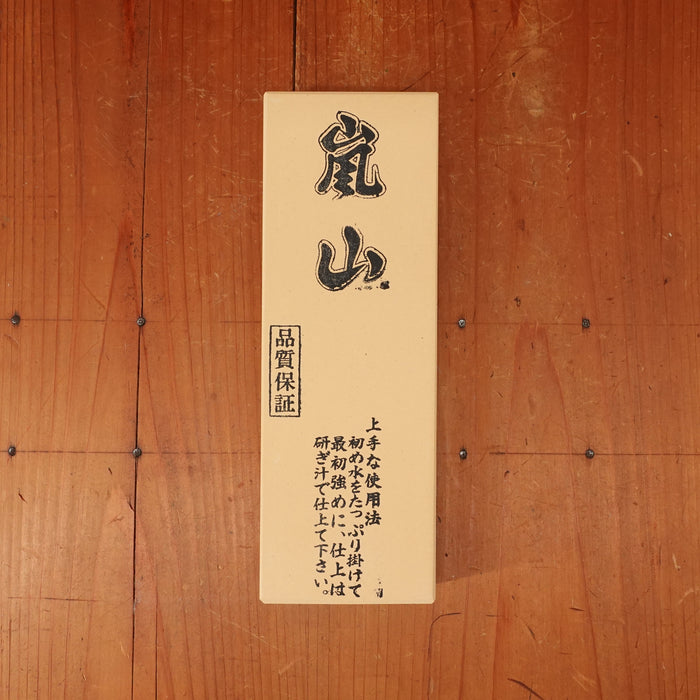
Arashiyama #6000 Whetstone Stone NO Wooden Base
- Regular Price
- €52,50
- Sale Price
- €52,50
- Regular Price
-
- Unit Price
- per
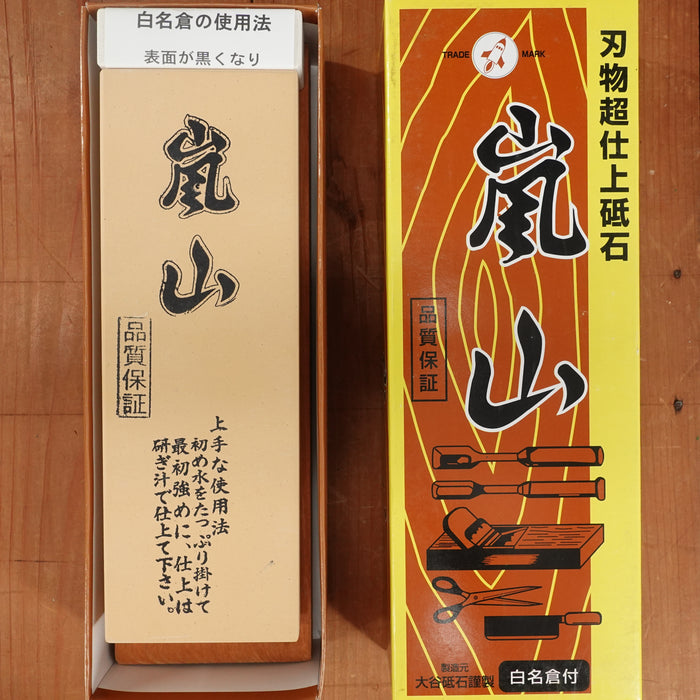
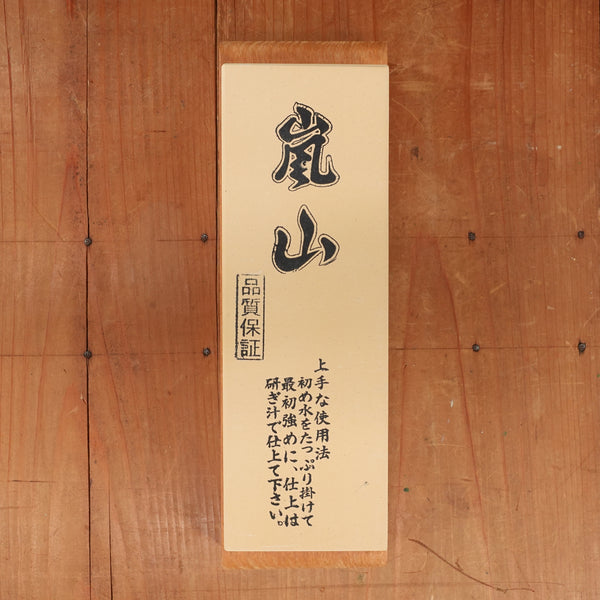
Arashiyama #6000 Whetstone With Nagura Stone and Wooden Base
- Regular Price
- €61,55
- Sale Price
- €61,55
- Regular Price
-
- Unit Price
- per
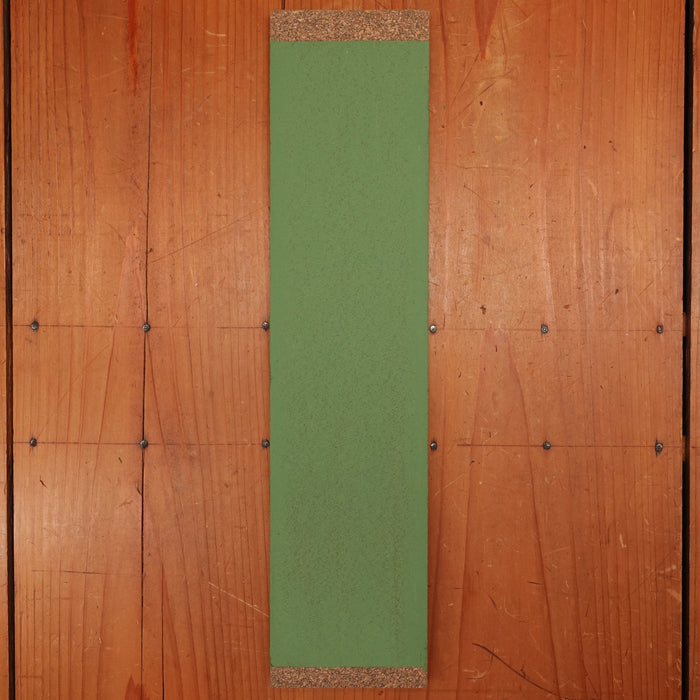
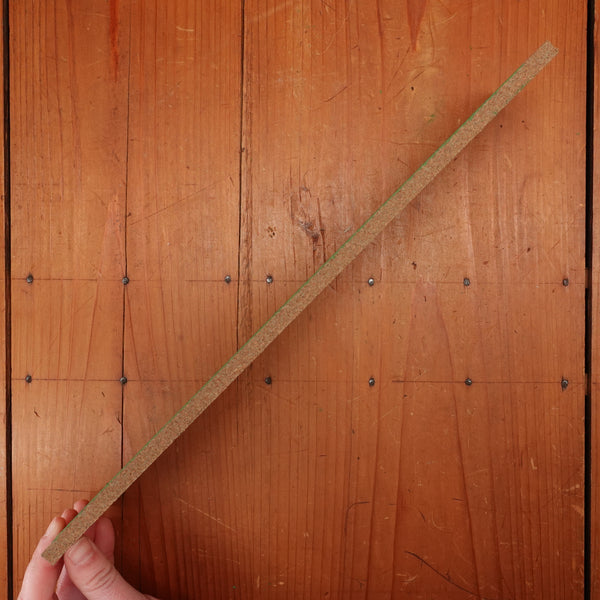
Bernal Cutlery Monodiachrome™ Precharged Deburring Strop
- Regular Price
- €36,21
- Sale Price
- €36,21
- Regular Price
-
- Unit Price
- per
