


Bernal Cutlery Fineline 210mm Wa-Gyuto A2 & Octagonal Bubinga
-
Regular Price
-
€267,31
-
Sale Price
-
€267,31
-
Regular Price
-
Sold Out
-
Unit Price
- per
- Regular Price
- €267,31
- Sale Price
- €267,31
- Regular Price
- Unit Price
- per
Bernal Cutlery’s very own Fineline series is a thin hand-ground carbon steel Japanese-style chef knife designed for cooks who demand a precise, fine-cutting yet hardworking knife. The Fineline’s blade is tough for a blade of its weight, holds its edge well and is easy to sharpen. Its A2 tool steel has low reactivity for a carbon steel, making for an easy maintenance, non-stainless knife that takes a very keen edge.
Fineline is a blend of industrial processes and delicate handwork out of materials sourced from the United States and Japan. The hand-ground blade features a gentle convexity to the sides and remains thin behind the edge. Hand grinding on a water-cooled stone wheel is a time-honored method for shaping blades, providing the smoothest cutting feel and the best food release. Each Fineline knife has a hand-sharpened edge, finished on natural Japanese whetstones to bring out its full cutting potential.
About This Knife


Gyuto

Total Length:
Edge Length: 210mm
Heel Height: 50mm
Spine Thickness: 3mm
Weight:
Orientation: Ambidextrous
Steel Type: A2
Steel Hardness (HRC): ~61
Maintenance: Some Attention
Handle Type: Japanese (wa)
Handle Material: Mono bubinga

About Bernal Cutlery Manufacturing
San Francisco, California, USA
Dive Deeper
Medium-Fine finish - Japanese
Sharpening Supplies
Stones & Accessories selected specifically for this knife.
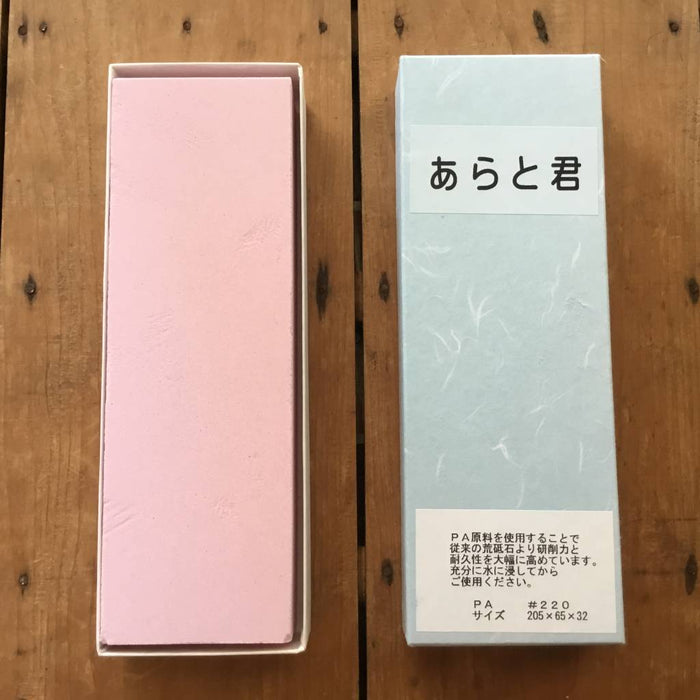
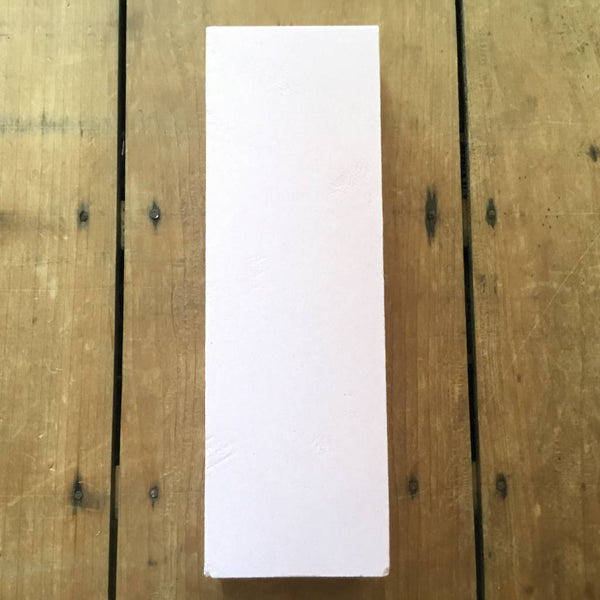
Arato-kun #220 Extra Coarse Grit Whetstone
- Regular Price
- €45,31
- Sale Price
- €45,31
- Regular Price
-
- Unit Price
- per
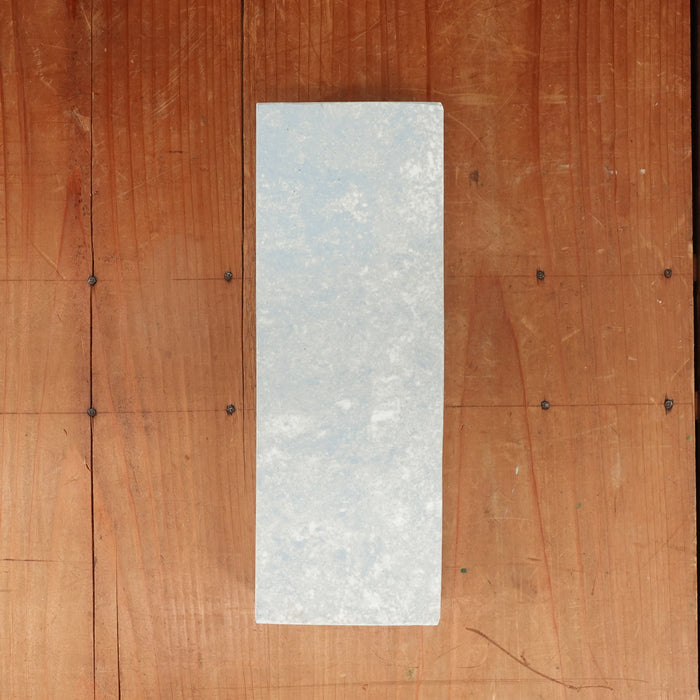
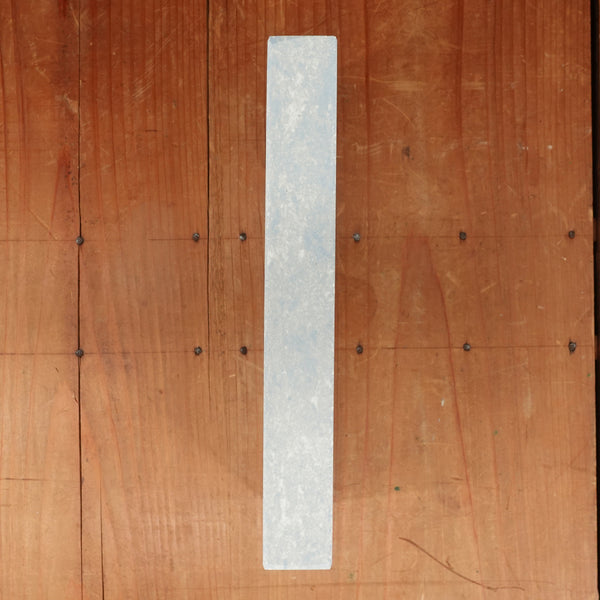
Bernal Cutlery Takarazukushi 1200 Grit Blue Marble Semi-Soft Ceramic Japanese Whetstone
- Regular Price
- €67,06
- Sale Price
- €67,06
- Regular Price
-
- Unit Price
- per
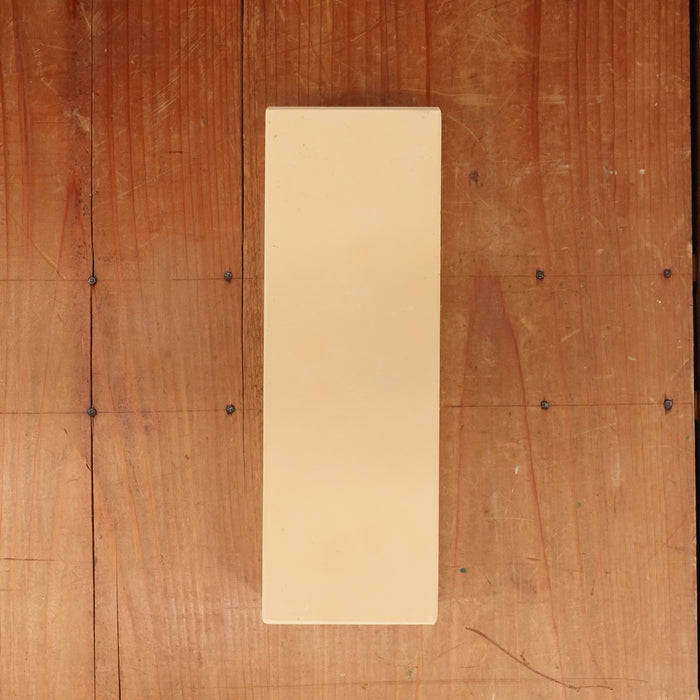
Bernal Cutlery Takarazukushi 4000 Grit Yellow Semi-Hard Resinoid Japanese Whetstone
- Regular Price
- €74,30
- Sale Price
- €74,30
- Regular Price
-
- Unit Price
- per
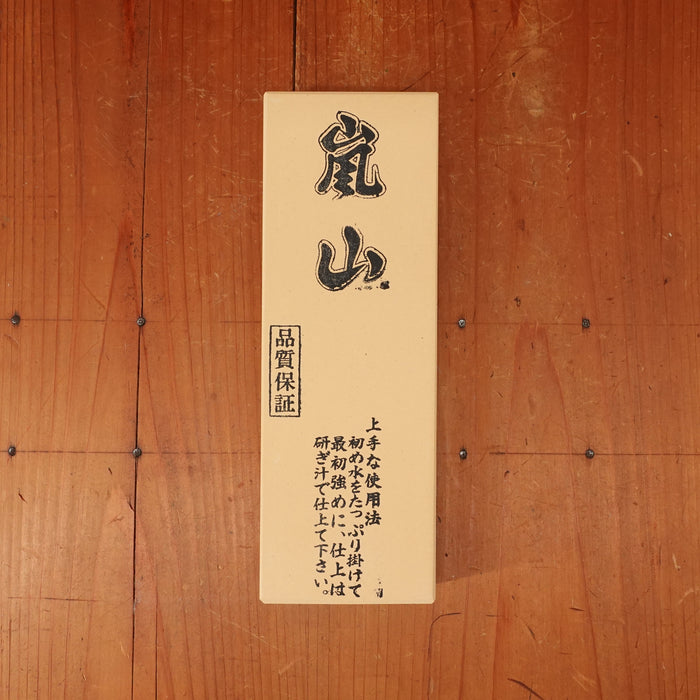
Arashiyama #6000 Whetstone Stone NO Wooden Base
- Regular Price
- €52,56
- Sale Price
- €52,56
- Regular Price
-
- Unit Price
- per
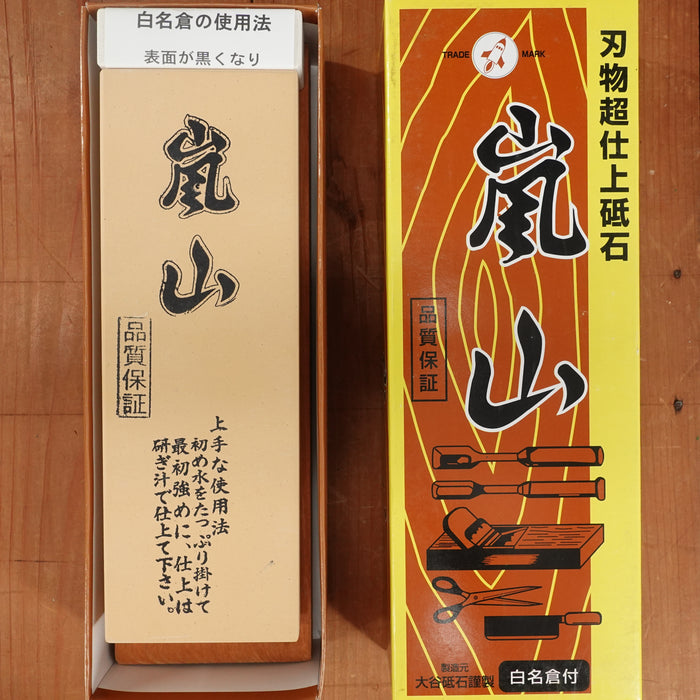
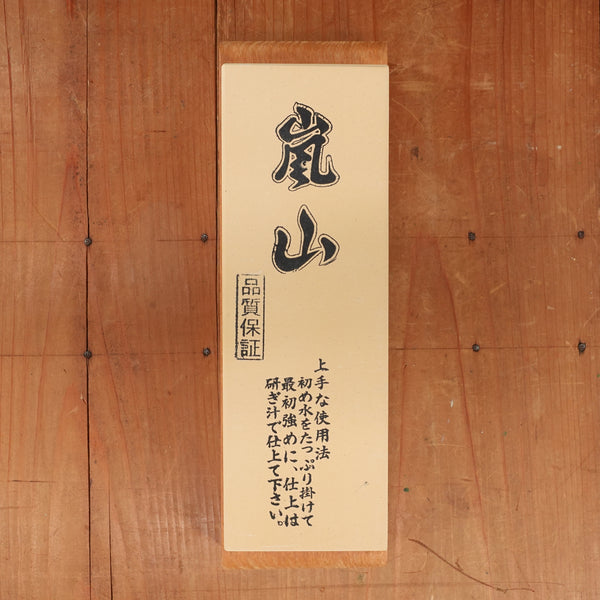
Arashiyama #6000 Whetstone With Nagura Stone and Wooden Base
- Regular Price
- €61,62
- Sale Price
- €61,62
- Regular Price
-
- Unit Price
- per
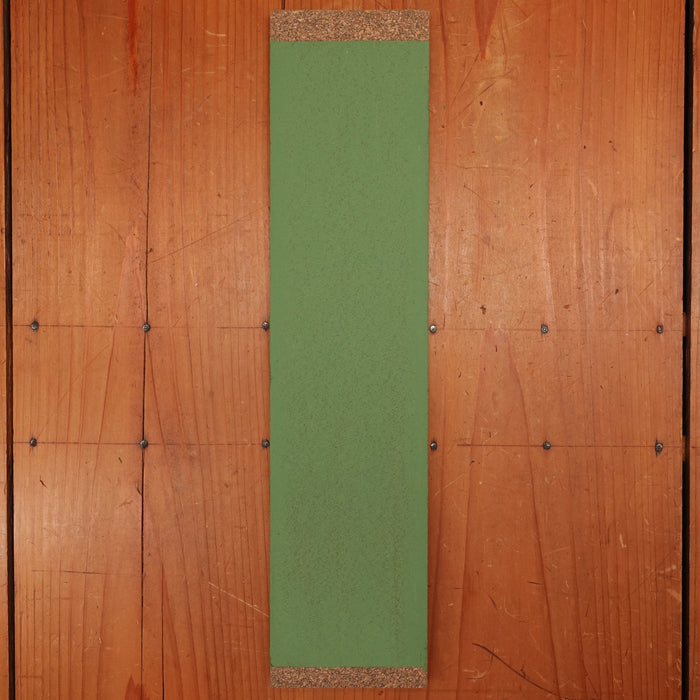
Bernal Cutlery Monodiachrome™ Precharged Deburring Strop
- Regular Price
- €36,25
- Sale Price
- €36,25
- Regular Price
-
- Unit Price
- per