
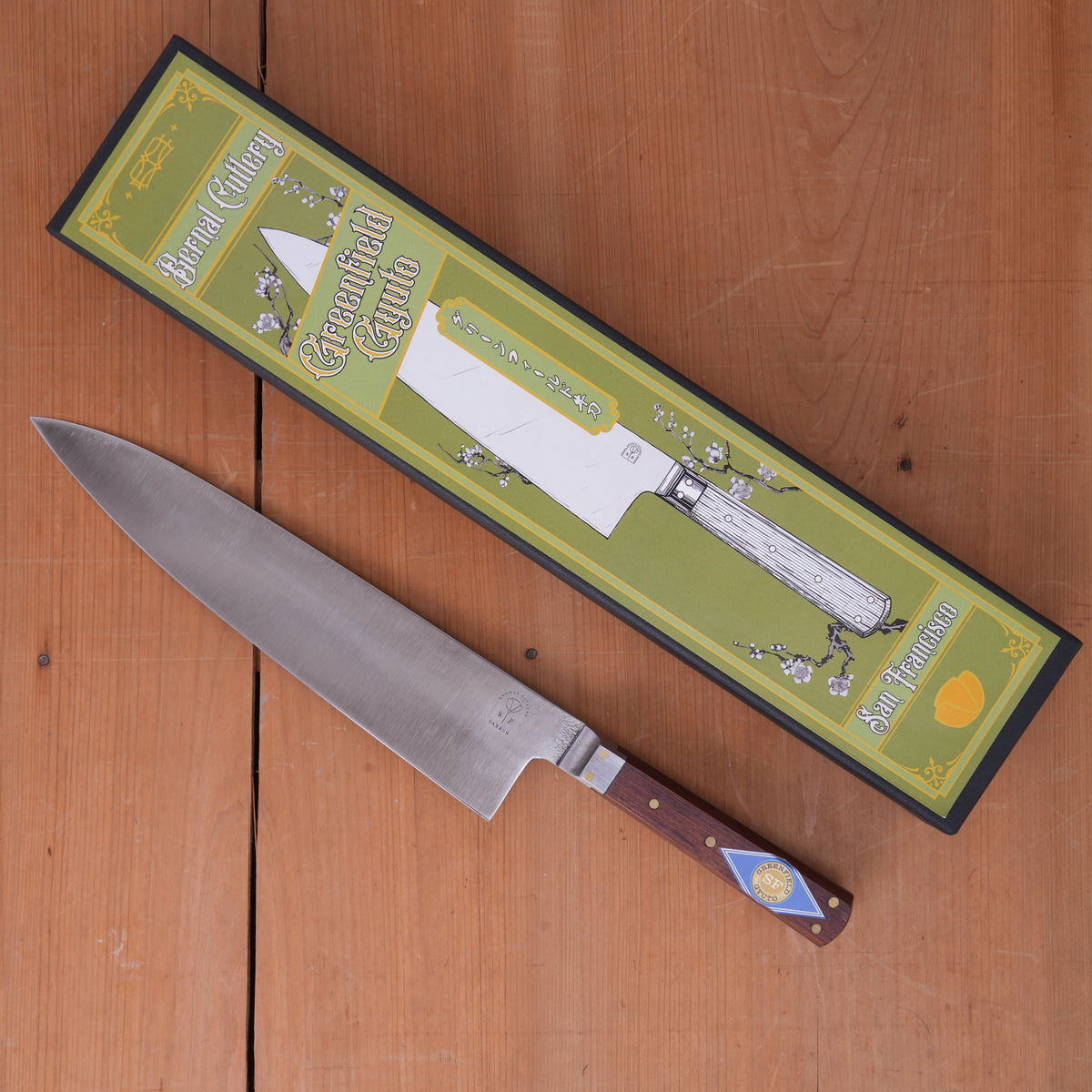
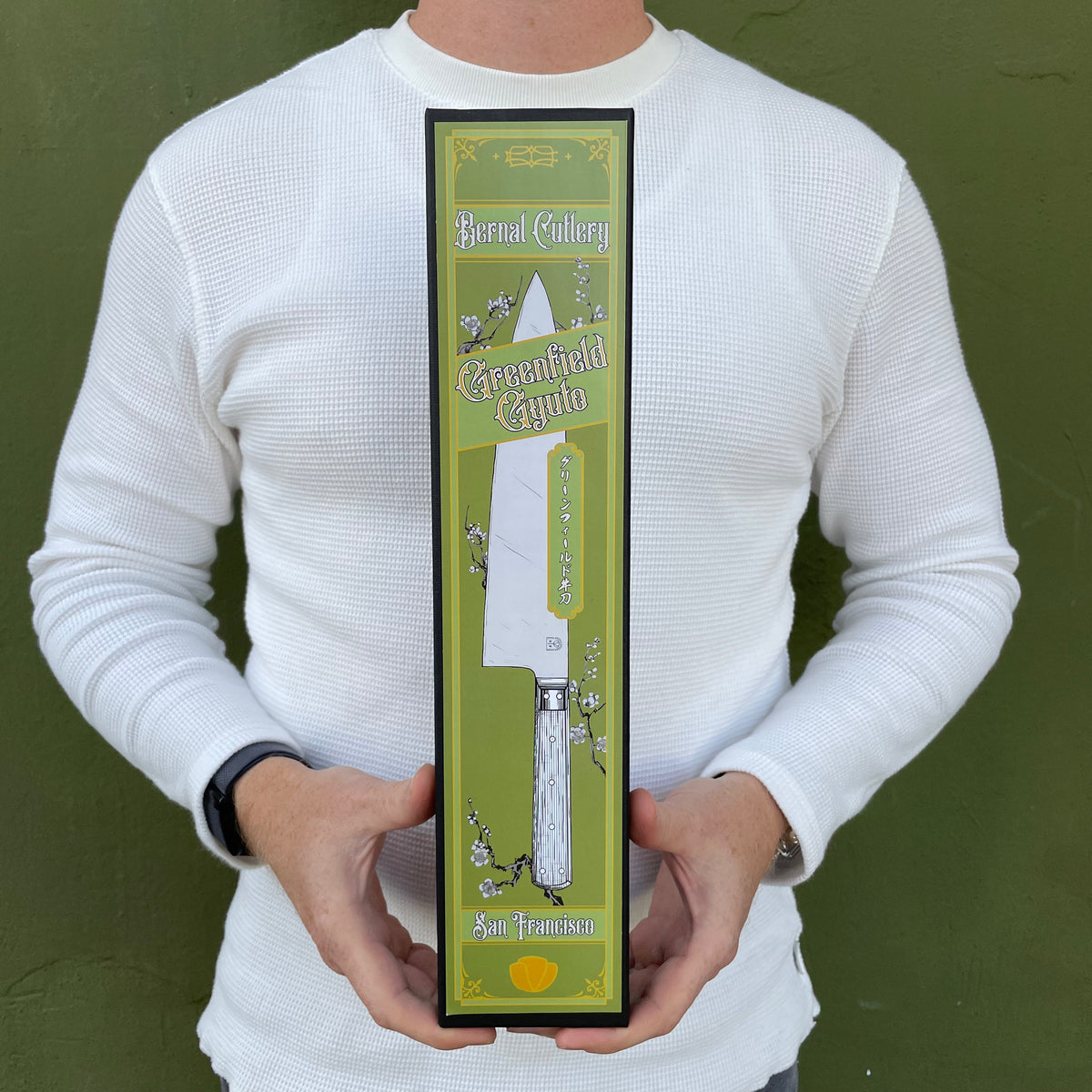
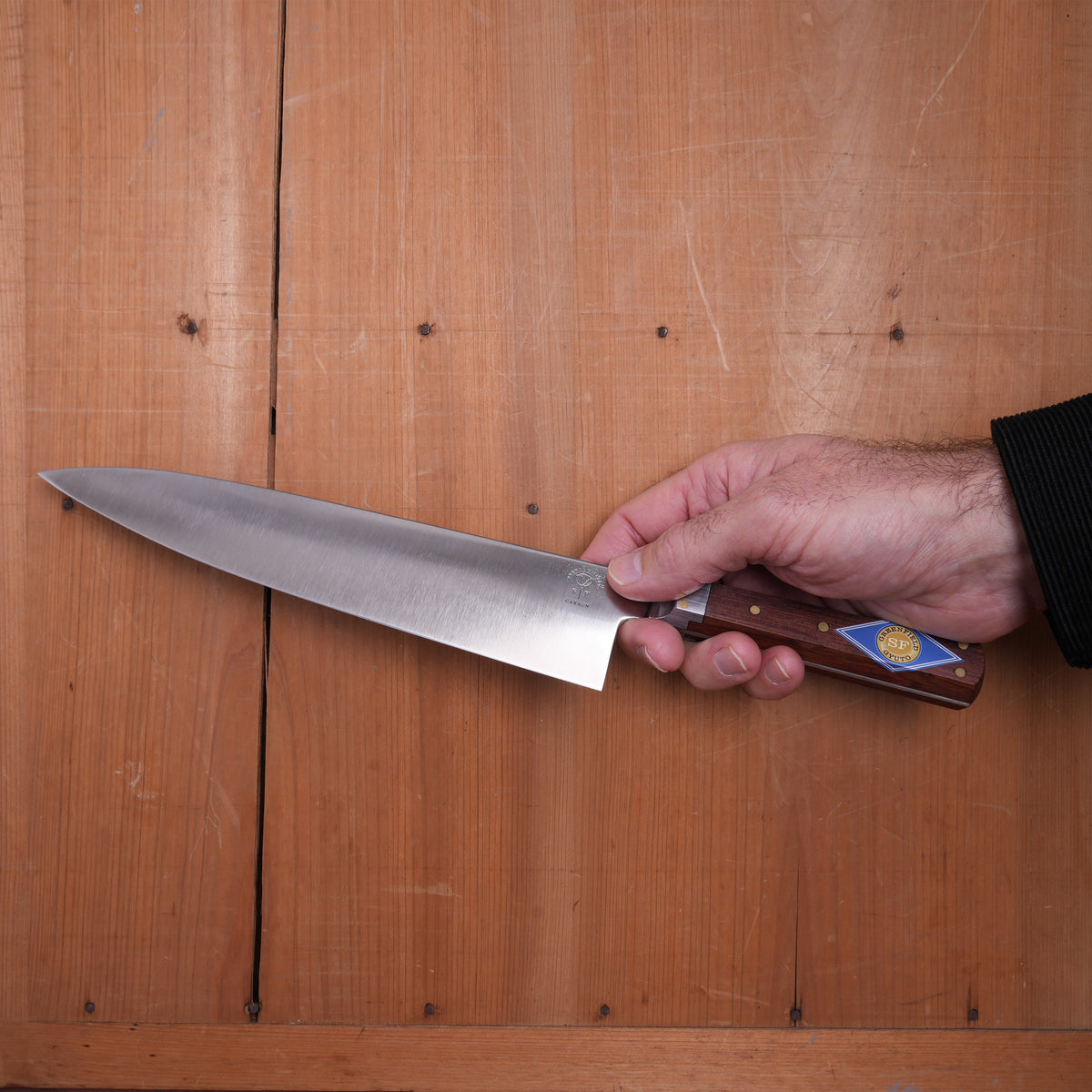
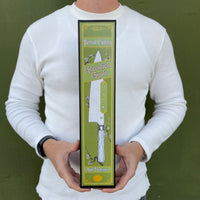
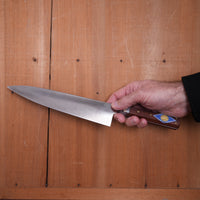
First Edition Greenfield Gyuto 9" Chef Knife Carbon Steel & Padauk
-
Regular Price
-
$396.00
-
Sale Price
-
$396.00
-
Regular Price
-
Sold Out
-
Unit Price
- per
- Regular Price
- $396.00
- Sale Price
- $396.00
- Regular Price
- Unit Price
- per
The Greenfield Gyuto is a blend of skilled hand labor and precise industrial methods; hand-finished with a convex geometry and hafted with rabbet-milled bolsters, and a durable and low-environmental-impact tropical hardwood. The blades are available as a non-stainless tool steel alloy with good toughness and edge retention or in AEB-L Swedish stainless steel with fine edge formation, excellent stain resistance, and easy sharpening. The Greenfield Gyuto is tempered hard in the Japanese manner, but not too much so as to keep it from stepping up to the demands of a professional kitchen.
The quintessentially practical Yankee handle offers a comfortable, versatile grip and a strong construction which has not been manufactured since the days of the great knife-making towns of New England.
The Greenfield Gyuto also pays double homage to the Greenfield neighborhood of Pittsburgh, Pennsylvania, where Bernal Cutlery co-founder Kelly Kozak grew up in the 70s and 80s. A daughter and granddaughter of Pittsburgh Steelworkers, she has long dreamed of bringing a connection to our work here at Bernal Cutlery with the history of American steelmaking. To read more about how this knife came to be click here.
Brand: Bernal Cutlery
Producing Area: USA
Profile: Gyuto
Size: 9" / 229mm
Blade Type: Mono Carbon Steel
Steel Type: Carbon Steel
Handle: Padauk with stainless bolster and brass pins
Total Length: 14" / 356 mm
Blade Height: 2" / 51 mm
Edge Length: 9" / 229 mm
Weight: +/- 220g
Hand Orientation: Ambidextrous
Saya: Guard Included
HRC: 62
*Please note this is the first production run of the Greenfield Gyuto. It is being made in a small quantity and future models may vary. Please note blades and handles are hand finished and slight variation and signs of hand work should be expected.
Knife Care:
The Greenfield Gyuto is tempered and ground in the style of a Japanese chef knife which is designed to work with precision on vegetables, boneless proteins, etc., items that are not excessively hard or require hacking to cut. The edge can be damaged on frozen food, bones, shells, pits etc. As a good rule of thumb, if you wouldn’t bite it, don’t use the Greenfield Gyuto on it.
Sharpening is best done with Japanese whetstones, finishing between 3000 and 8000 grit depending on the user's preference. Ceramic honing rods or high quality medium- to fine-cut sharpening steels are great for keeping the edge lively in between sharpenings. Avoid pull-through sharpeners and be choosy about which professional sharpener works on this knife. Send it to Bernal Cutlery for maintenance if possible.
For cutting boards, Japanese softwood and end-grain hardwood are preferable, although some long-grain hardwoods are fine to use. Avoid bamboo and hard composites, which will reduce the edge life. Higher end Japanese synthetics are preferable to low cost plastic boards (but wood is more hygienic).
Tool steel alloys are sometimes referred to as 'semi-stainless' since they rust slower than simpler carbon steel alloys, but are not fully stainless and need basic care. Water is the primary agent of rust, but foods that have a very acidic or basic pH, or are high in salt will increase reactivity during cutting. Wipe the blade dry during heavy use and after washing (Soap is OK, but avoid using the abrasive side of the sponge if possible.) Always avoid soaking, and keep out of dishwashers.
Carbon steel will form a patina with careful use. This is a light layer of oxidation which forms before rusting. Some cooks prefer to remove it often, while others like to cultivate it. We think patina looks cool and offers a first layer of protection against rust. If active orange rust forms, remove it with the finest non-corrosive abrasive possible. Coarse abrasives will invite further rust by creating scratches where water can get trapped. To remove a light rust, we like to apply the mud formed from fine, Japanese, finishing stones to a rag and gently polish it off. Silver polishing pastes with silica will function in the same way. For deeper, heavier rust, use stronger abrasives like a fine sandpaper or non-corrosive scouring powder.
This listing is for Pre-order only. Shipment date is estimated to be between 1/15/2024-2/15/2024


Gyuto

Listed Length: 9"
Total Length:
Edge Length:
Heel Height:
Spine Thickness:
Weight:
Orientation: Ambidextrous
Blade Type:
Steel Type: D2
Steel Hardness (HRC):
Maintenance: More Attention
Handle Type: Western
Handle Material:

A Modern Homage

Japanese Inspired Grind

New England Style Handle
Dive Deeper
Medium-Fine finish - Japanese
Sharpening Supplies
Stones & Accessories selected specifically for this knife.
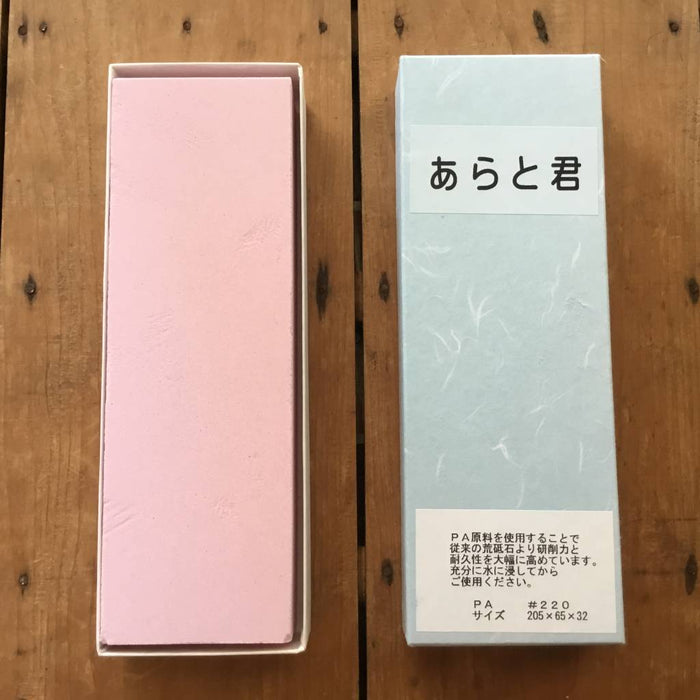
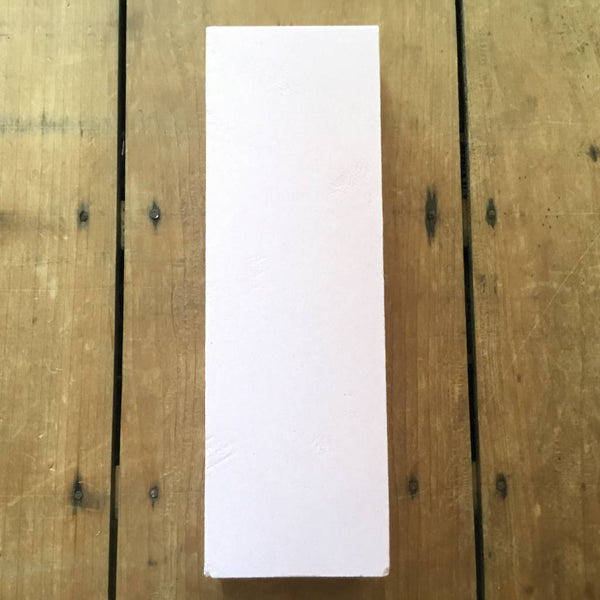
Arato-kun #220 Extra Coarse Grit Whetstone
- Regular Price
- $50.00
- Sale Price
- $50.00
- Regular Price
-
- Unit Price
- per
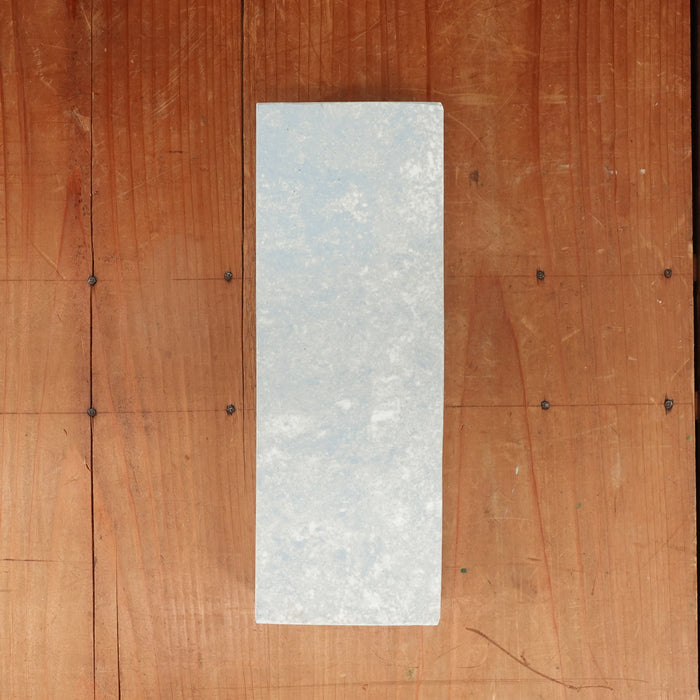
Bernal Cutlery Takarazukushi 1200 Grit Blue Marble Semi-Soft Ceramic Japanese Whetstone
- Regular Price
- $74.00
- Sale Price
- $74.00
- Regular Price
-
- Unit Price
- per
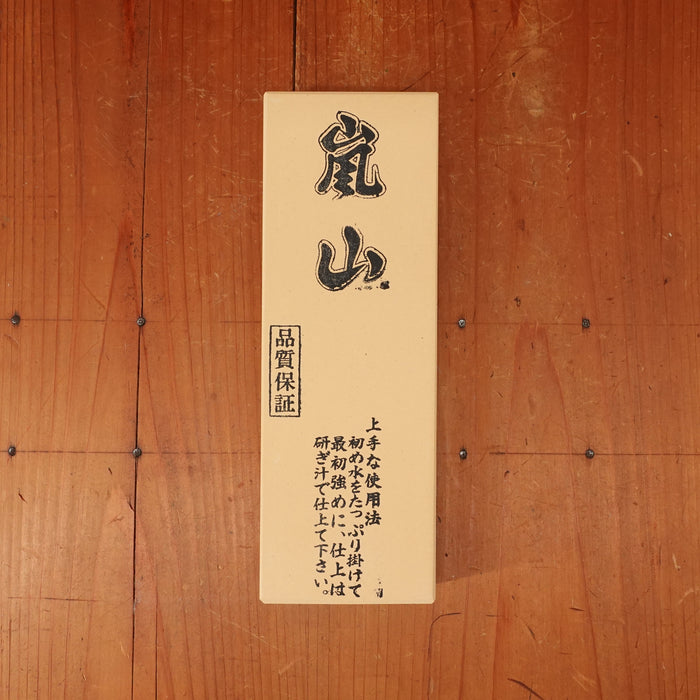
Arashiyama #6000 Whetstone Stone NO Wooden Base
- Regular Price
- $58.00
- Sale Price
- $58.00
- Regular Price
-
- Unit Price
- per
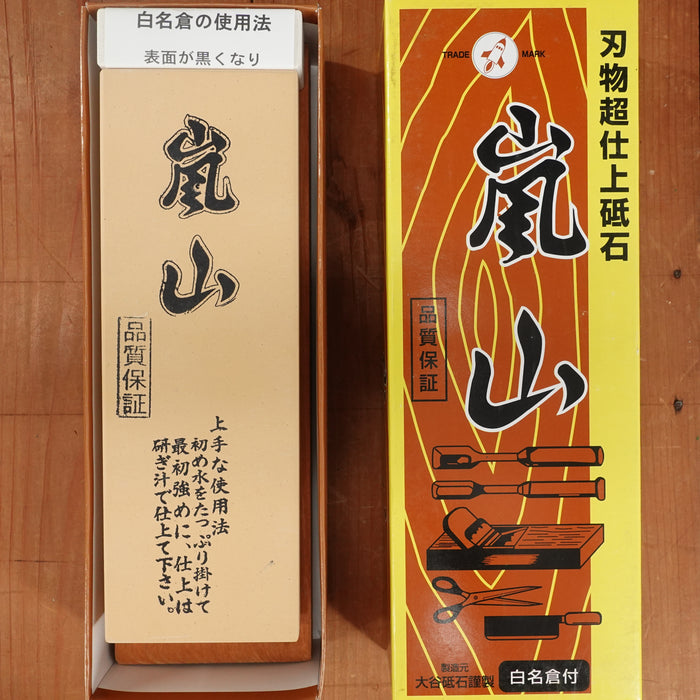
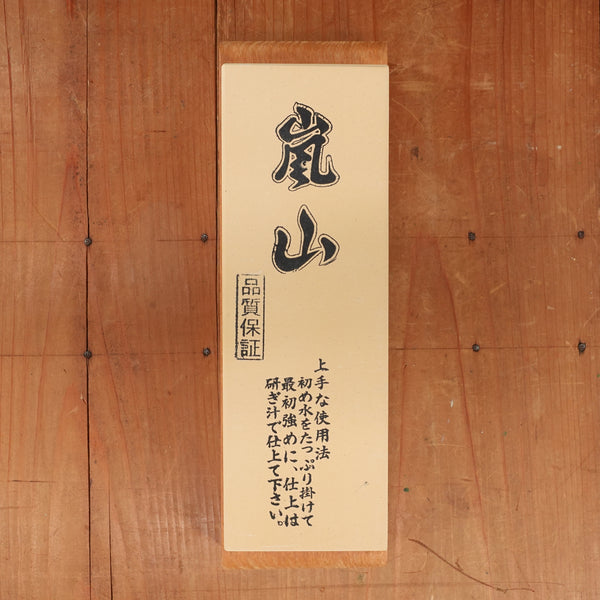
Arashiyama #6000 Whetstone With Nagura Stone and Wooden Base
- Regular Price
- $68.00
- Sale Price
- $68.00
- Regular Price
-
- Unit Price
- per
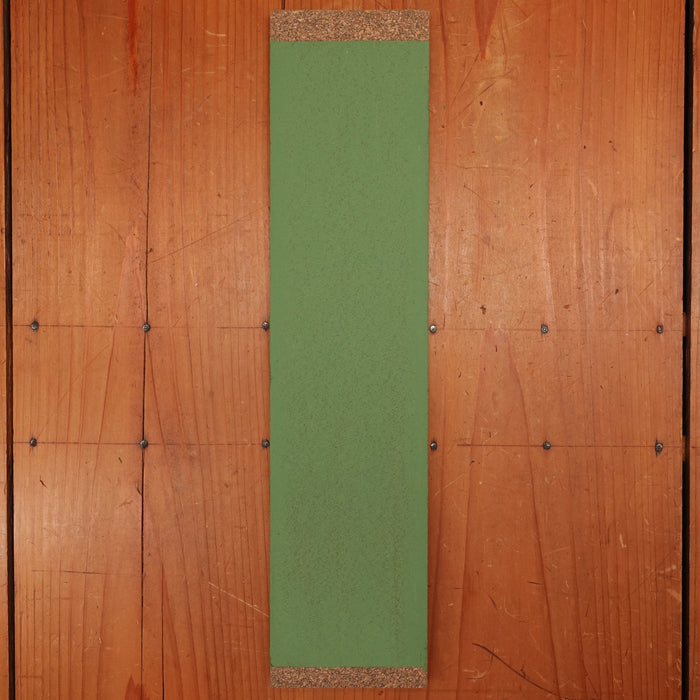
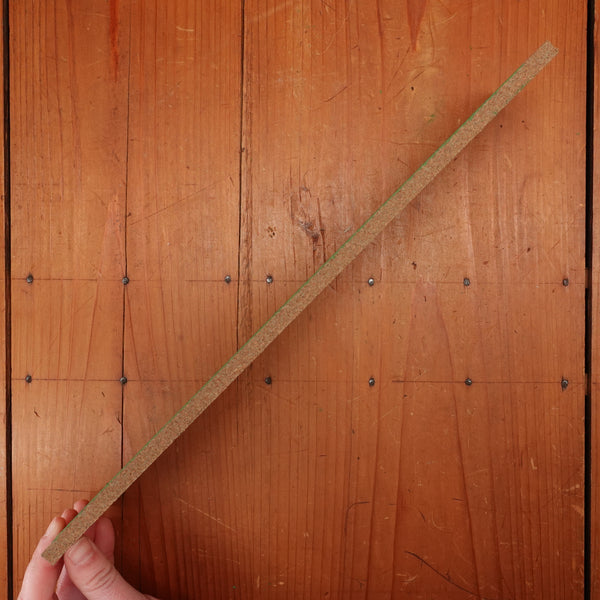
Bernal Cutlery Monodiachrome™ Precharged Deburring Strop
- Regular Price
- $40.00
- Sale Price
- $40.00
- Regular Price
-
- Unit Price
- per


D2
