


Sabatier Trompette / Ekco Ancienne Maison 3.25" Round Tip Paring Knife Forged Stainless Gutta Percha 1950-60s
-
Regular Price
-
$78.00
-
Sale Price
-
$78.00
-
Regular Price
-
Sold Out
-
Unit Price
- per
- Regular Price
- $78.00
- Sale Price
- $78.00
- Regular Price
- Unit Price
- per
Vintage from the late 1950s or 1960s made in Thiers France, hand-forged, after drop-forged hand-ground stainless blades with hybrid Ideal / Cuisine Massive pattern integral bolster/ ferrule and hybrid riveted and nogent style handle with vulcanized rubber 'gutta percha' handle.
These were drop forged to form the blade shape and bolster and then hand forged to draw out the tang and thin the blade, these were then hand ground and given a fine finish and represent some of the finer work done in Thiers in their day. The name Ekco is associated with cheaper kitchen equipment but these are definitely not that and fly under the radar sometimes. They were produced by Sabatier Trumpet in Thiers, France, as their trademark guarantees.
About La Trompette / Sabatier Trumpet / Ancienne Maison
About This Knife


Total Length:
Edge Length: 3.25"
Heel Height:
Spine Thickness:
Weight:
Orientation:
Blade Type:
Steel Type: Vintage Stainless
Steel Hardness (HRC): 54-56?
Reactive: Some Attention
Handle Type: Western
Handle Material: vulcanized rubber
Dive Deeper
Medium - Western Stainless
Sharpening Supplies
Stones & Accessories selected specifically for this knife.
Bernal Cutlery Takarazukushi 320 WA/800 Cobalt Combination Grit Japanese Whetstone
- Regular Price
- $82.00
- Sale Price
- $82.00
- Regular Price
-
- Unit Price
- per
Bernal Cutlery Takarazukushi 500 Grit Soft & Fast Ceramic Japanese Whetstone
- Regular Price
- $46.00
- Sale Price
- $46.00
- Regular Price
-
- Unit Price
- per
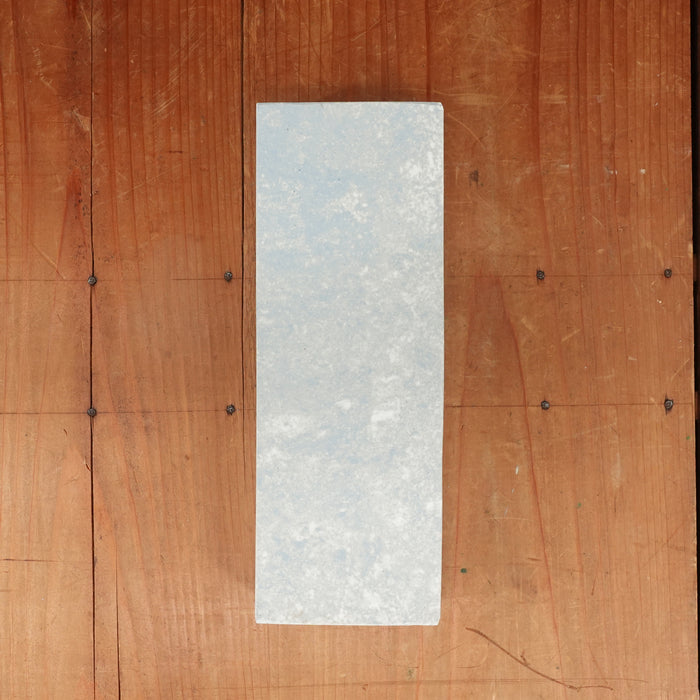
Bernal Cutlery Takarazukushi 1200 Grit Blue Marble Semi-Soft Ceramic Japanese Whetstone
- Regular Price
- $74.00
- Sale Price
- $74.00
- Regular Price
-
- Unit Price
- per
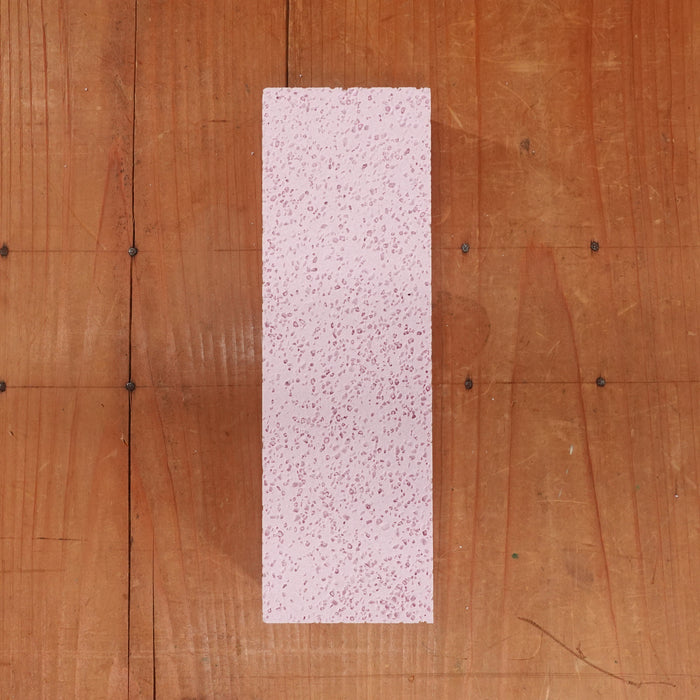
Takarazukushi Porous Ceramic 220 Flattening Stone
- Regular Price
- $40.00
- Sale Price
- $40.00
- Regular Price
-
- Unit Price
- per
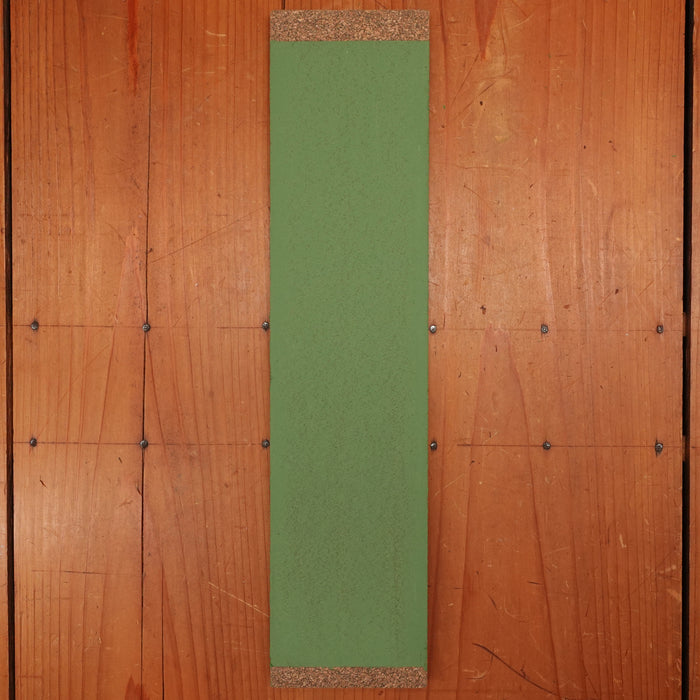
Bernal Cutlery Monodiachrome™ Precharged Deburring Strop
- Regular Price
- $40.00
- Sale Price
- $40.00
- Regular Price
-
- Unit Price
- per


Bernal Cutlery Monodiachrome Precharged Microfiber Strop
- Regular Price
- $75.00
- Sale Price
- $75.00
- Regular Price
-
- Unit Price
- per
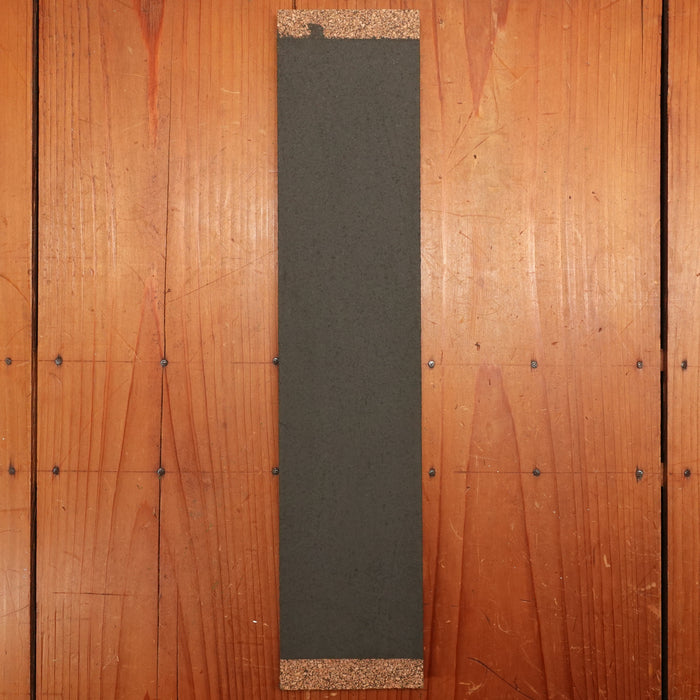
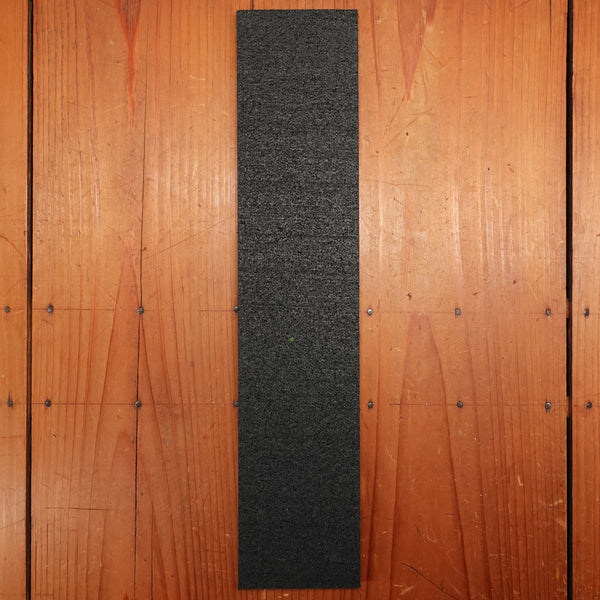
Bernal Cutlery Vanadium Carbide Precharged Abrasive Strop
- Regular Price
- $35.00
- Sale Price
- $35.00
- Regular Price
-
- Unit Price
- per
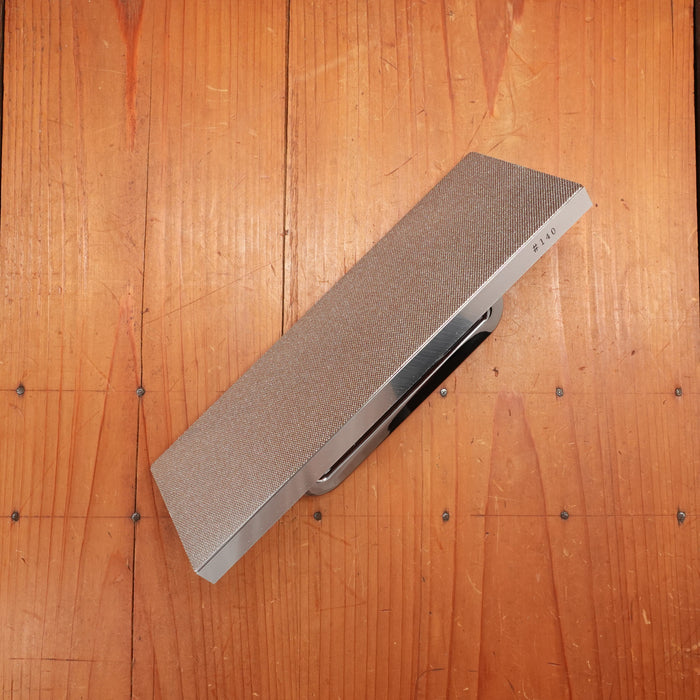
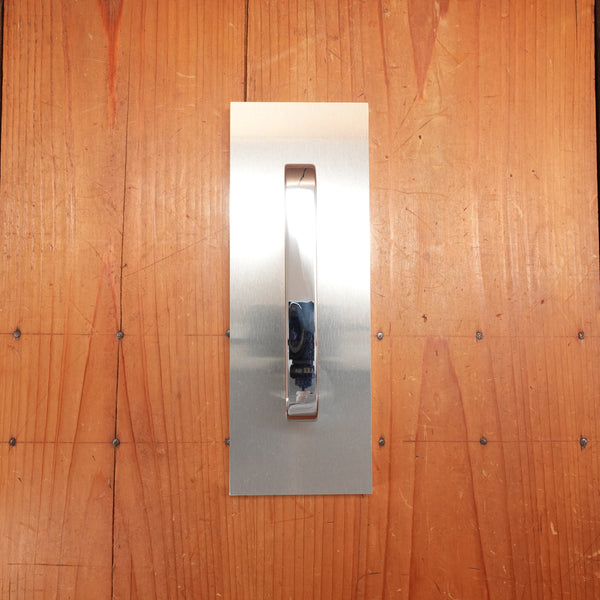
Atoma #140 Diamond Stone With Handle
- Regular Price
- $160.00
- Sale Price
- $160.00
- Regular Price
-
- Unit Price
- per
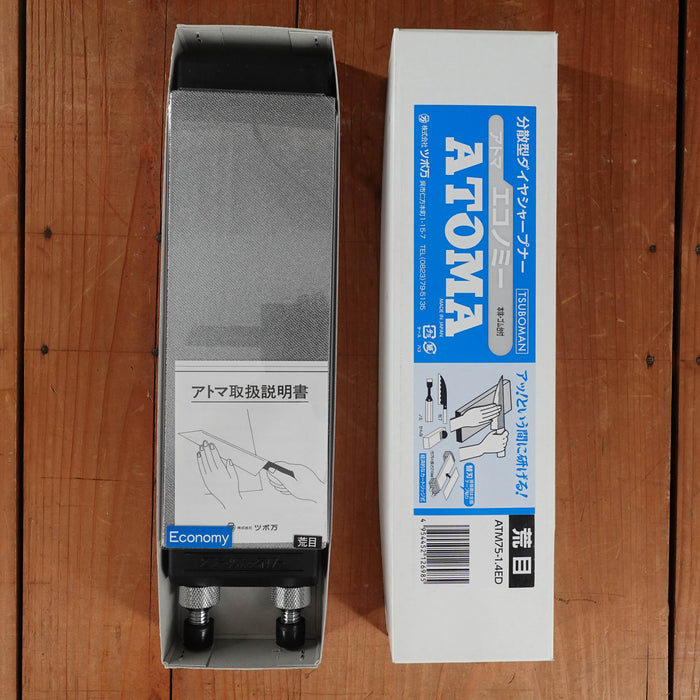
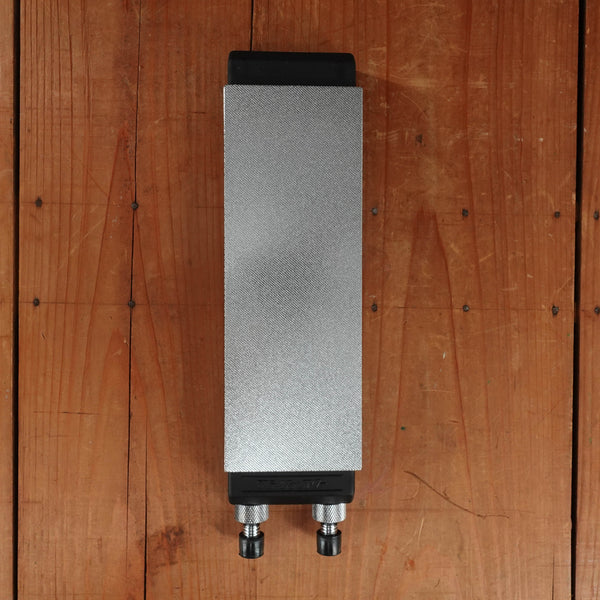
Atoma #140 Diamond Stone with Holder
- Regular Price
- $128.00
- Sale Price
- $128.00
- Regular Price
-
- Unit Price
- per
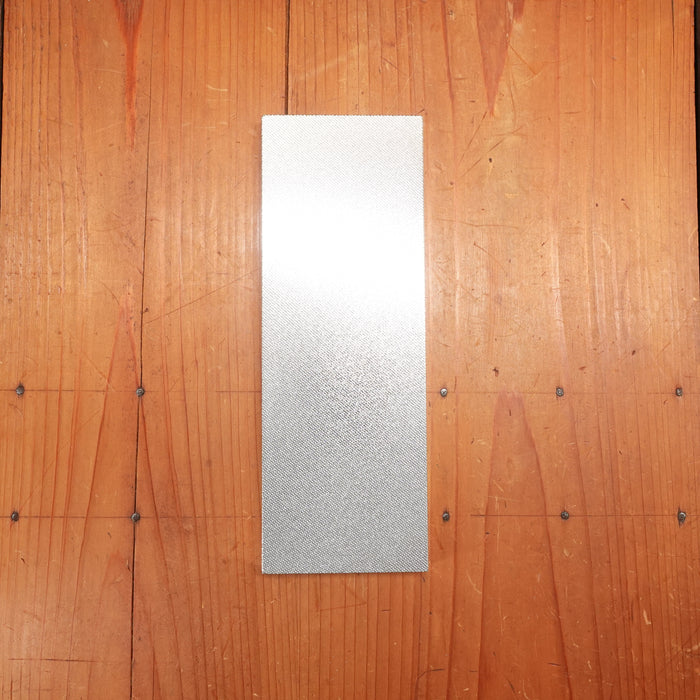
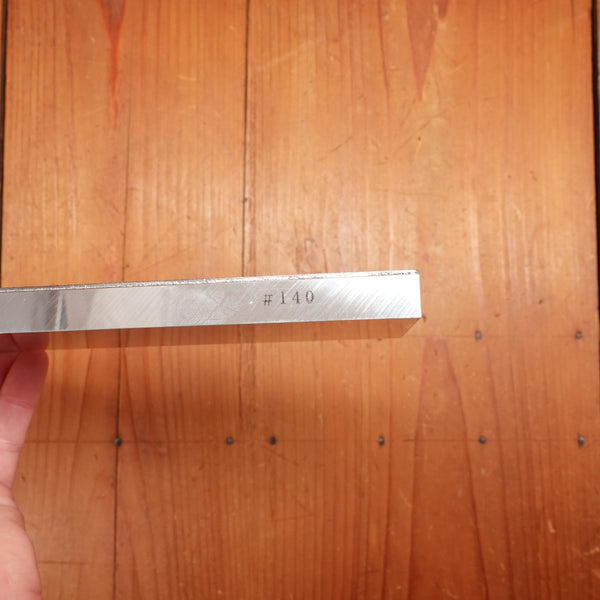
Atoma #140 Diamond Stone No Holder
- Regular Price
- $105.00
- Sale Price
- $105.00
- Regular Price
-
- Unit Price
- per


Atoma #140 Diamond Stone (Replacement)
- Regular Price
- $80.00
- Sale Price
- $80.00
- Regular Price
-
- Unit Price
- per