


Sakai Kikumori Choyo 180mm Nakiri Ginsanko with Saya
-
Regular Price
-
$865.00
-
Sale Price
-
$865.00
-
Regular Price
-
Sold Out
-
Unit Price
- per
- Regular Price
- $865.00
- Sale Price
- $865.00
- Regular Price
- Unit Price
- per
Double-bevel, ginsanko stainless core with mirror-polish, stainless cladding. Octagonal magnolia wood and water buffalo ferrule handle. Comes with saya.
The double bevel knives from this series cut nearly effortlessly with an authoritative solid feel. These knives are, however, ground very thin behind the edge and will not tolerate mistreatment.
Ginsanko is a fine grained, high carbon content (1% + carbon), low chromium (13%) stainless steel. It has the cutting and sharpening feel of a carbon steel but is less maintenance with regard to reactivity. These knives are ideal for the individual that is looking for a Japanese knife that’s easy to sharpen and also rust-resistant.
Choyo series knives represent some of the best of Sakai’s knife making. They are made by craftspeople who are highly respected for preserving demanding traditional techniques while contributing their own refinements and creativity to the trade.
Choyo ginsanko is forged by Nakagawa Hamono. Nakagawa-san’s top level forging and heat treatments make for an unusual ease of sharpening and superb edge life. This application of ginsanko is also very easy to sharpen and has really good edge life.
Satoshi Nakagawa trained for many years under Kenichi Shiraki, one of Sakai's great blacksmiths. When Shiraki-san retired, the workshop passed to Nakagawa-san and Shiraki Hamono became Nakagawa Hamono. He continues the craft he learned under Shiraki-san while forging in his own right as one of Sakai's leading smiths.
Choyo grinder and polisher is Morihiro Hamono. Morihiro-san's grinding is superb; he pioneered this low kiriba grind on wa-gyuto. The characteristic result of this grinding and polishing are the even, wide bevels, chamfered spine and brilliant mirror polish.
Sakai Kikumori was started in 1926 and draws on Sakai's 600 year history as the major center of traditional Japanese cutlery manufacturing. They work with a large variety of Sakai's best smiths, sharpeners and small factories to offer a wide variety of knives ranging from traditional to modern.
These knives come from the maker with lacquer on the blade for corrosion protection during shipping. It can be removed using acetone or lacquer thinner (follow manufacturers instructions for use).
We can remove the lacquer prior to shipping for an additional charge. Please add the suggested “Lacquer Removal” to your cart and proceed with checkout. Please note that lacquer removal can delay your order by up to one week.
About This Knife


Nakiri

Total Length: 316mm
Edge Length: 159mm
Heel Height: 52mm
Spine Thickness: 2.7mm
Weight:
Orientation: Ambidextrous
Steel Type: Ginsanko (Silver #3)
Steel Hardness (HRC): 59-61
Maintenance: Less Attention
Handle Type: Japanese (wa)
Handle Material: Magnolia Wood and Water Buffalo Ferrule

Dive Deeper
Medium-Fine finish - Japanese
Sharpening Supplies
Stones & Accessories selected specifically for this knife.
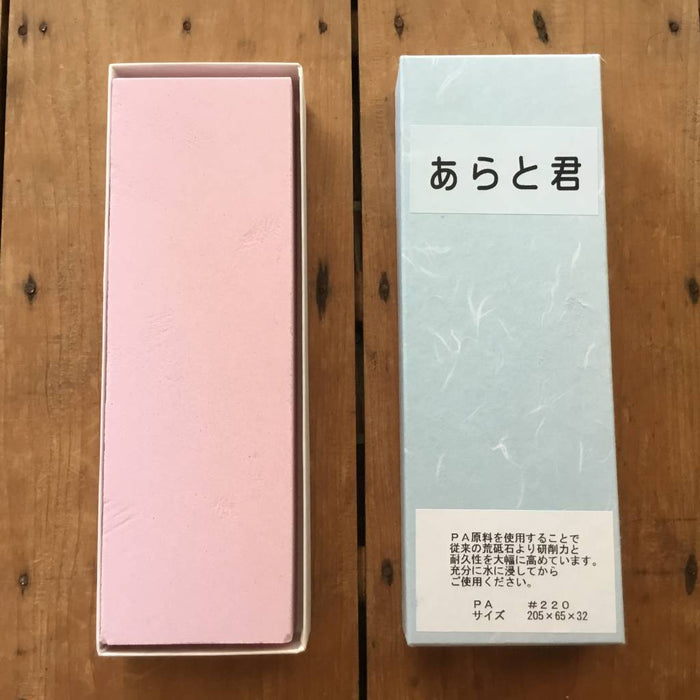
Arato-kun #220 Extra Coarse Grit Whetstone
- Regular Price
- $50.00
- Sale Price
- $50.00
- Regular Price
-
- Unit Price
- per
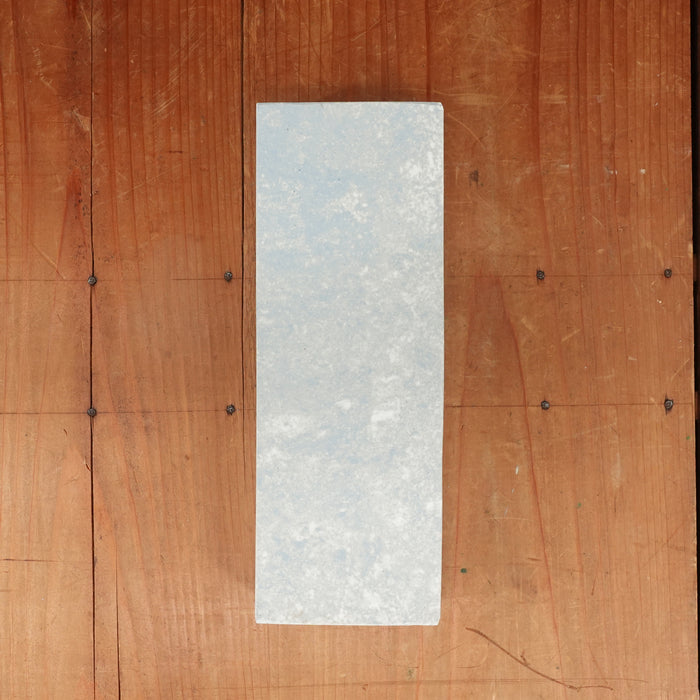
Bernal Cutlery Takarazukushi 1200 Grit Blue Marble Semi-Soft Ceramic Japanese Whetstone
- Regular Price
- $74.00
- Sale Price
- $74.00
- Regular Price
-
- Unit Price
- per
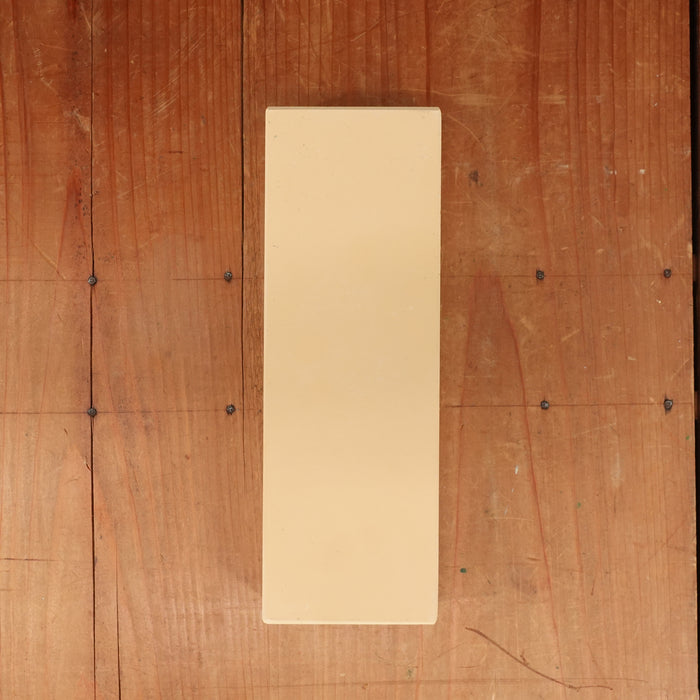
Bernal Cutlery Takarazukushi 4000 Grit Yellow Semi-Hard Resinoid Japanese Whetstone
- Regular Price
- $82.00
- Sale Price
- $82.00
- Regular Price
-
- Unit Price
- per
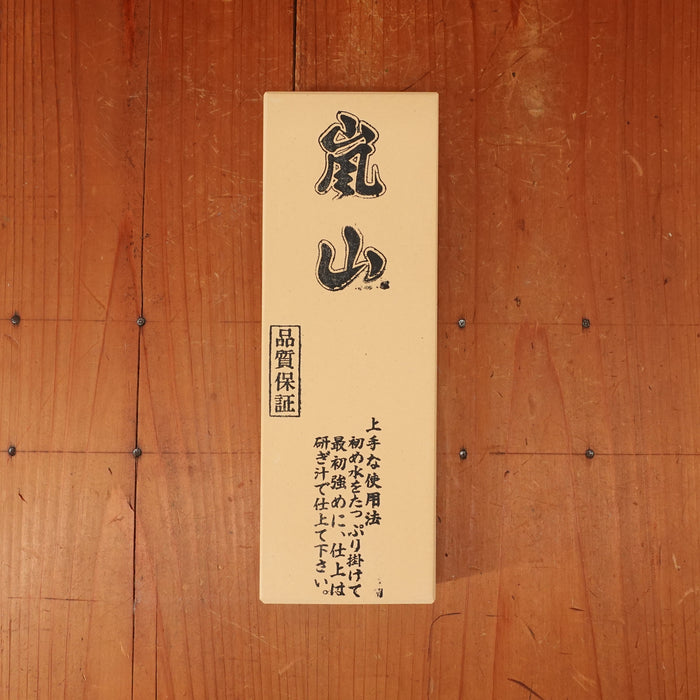
Arashiyama #6000 Whetstone Stone NO Wooden Base
- Regular Price
- $58.00
- Sale Price
- $58.00
- Regular Price
-
- Unit Price
- per
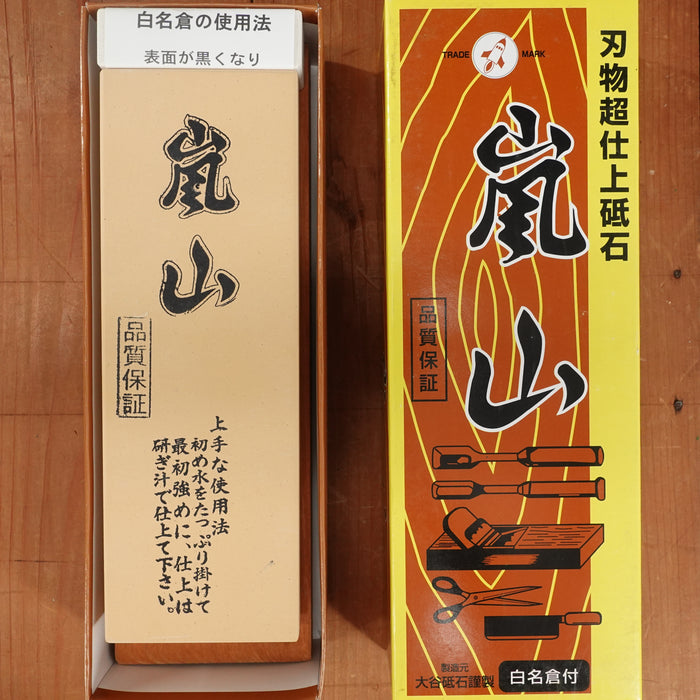
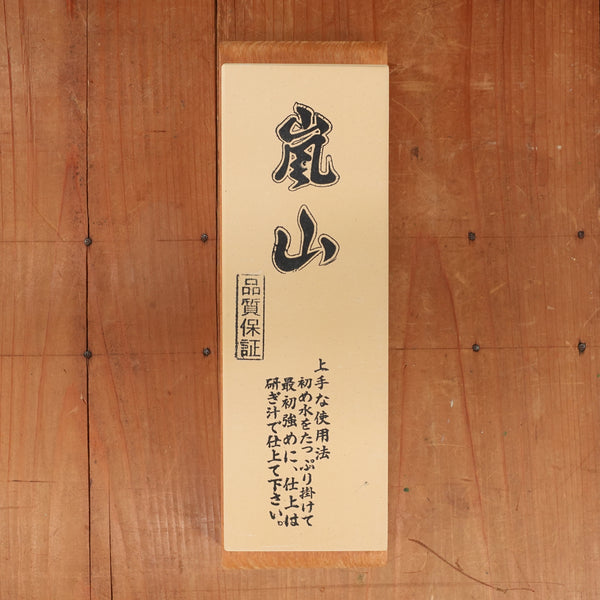
Arashiyama #6000 Whetstone With Nagura Stone and Wooden Base
- Regular Price
- $68.00
- Sale Price
- $68.00
- Regular Price
-
- Unit Price
- per
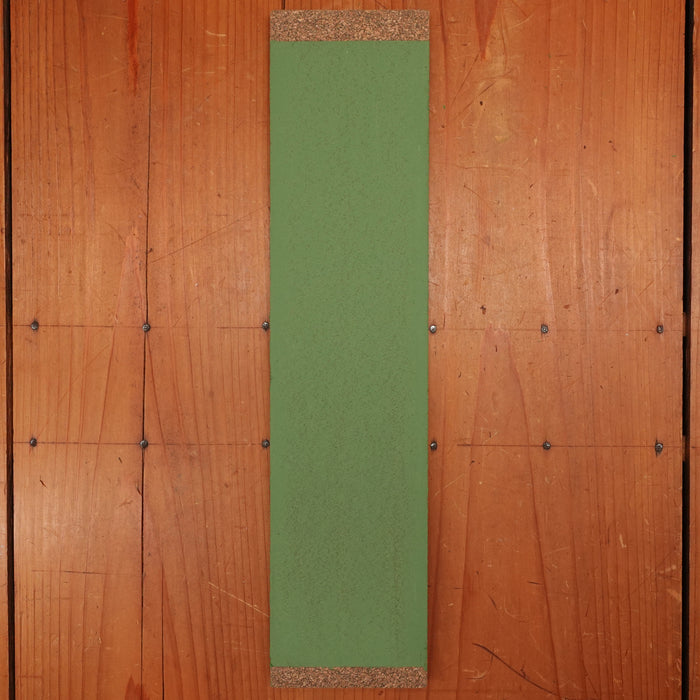
Bernal Cutlery Monodiachrome™ Precharged Deburring Strop
- Regular Price
- $40.00
- Sale Price
- $40.00
- Regular Price
-
- Unit Price
- per