


Village Blacksmith Vintage 8" Slicer Carbon Watertown, Wisconsin 1930s-60s
-
Regular Price
-
$118.00
-
Sale Price
-
$118.00
-
Regular Price
-
Sold Out
-
Unit Price
- per
- Regular Price
- $118.00
- Sale Price
- $118.00
- Regular Price
- Unit Price
- per
Hand-forged 8" slicer from Village Blacksmith, made in Watertown, Wisconsin, from approximately the 1930s to 60s, I suspect on the later side.
While this would be considered a meat knife today, back when it was made, it would have been used as a multipurpose home cooking knife, doing much of the vegetable prep that we would consider being in the domain of a chef knife; before TV cooking shows brought professional French cooking into American homes, most home cooks did not have chef knives in the USA.
This pattern might have been made to compete with the inexpensive Ontario "Old HIckory" roll forged 1095 knives. Its construction and grinding is not as nice as the other drop forged and hand ground Village Blacksmith slicers but is a less common pattern and would be a good addition to a colleciton.

About Washington Cutlery Co. | Village Blacksmith
Watertown, Wisconsin, USA
About This Knife


Total Length:
Edge Length: 8"
Heel Height:
Spine Thickness:
Weight:
Orientation:
Blade Type:
Steel Type: Vintage Carbon
Steel Hardness (HRC): 54-56 approx
Reactive: More Attention
Handle Type:
Handle Material: wood, brass rivets
Dive Deeper
Medium - Western Carbon
Sharpening Supplies
Stones & Accessories selected specifically for this knife.


Bernal Cutlery Takarazukushi 320 WA/800 Cobalt Combination Grit Japanese Whetstone
- Regular Price
- $82.00
- Sale Price
- $82.00
- Regular Price
-
- Unit Price
- per
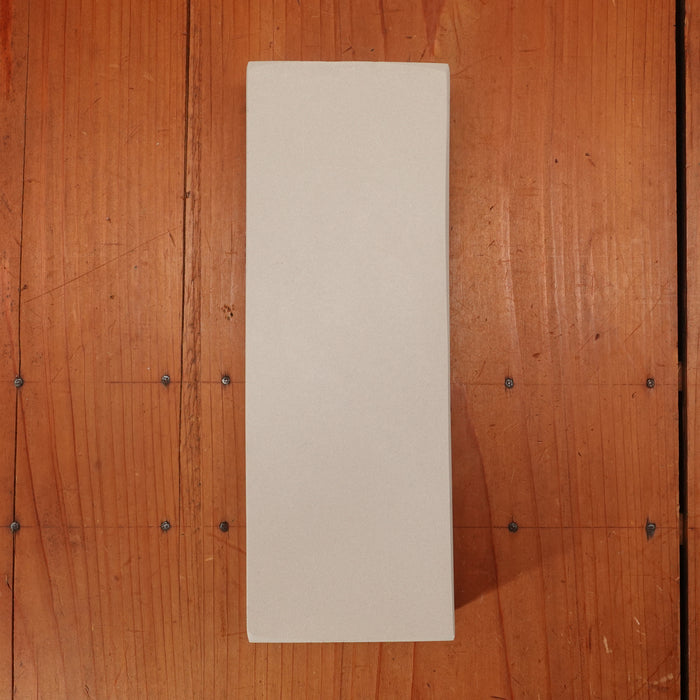
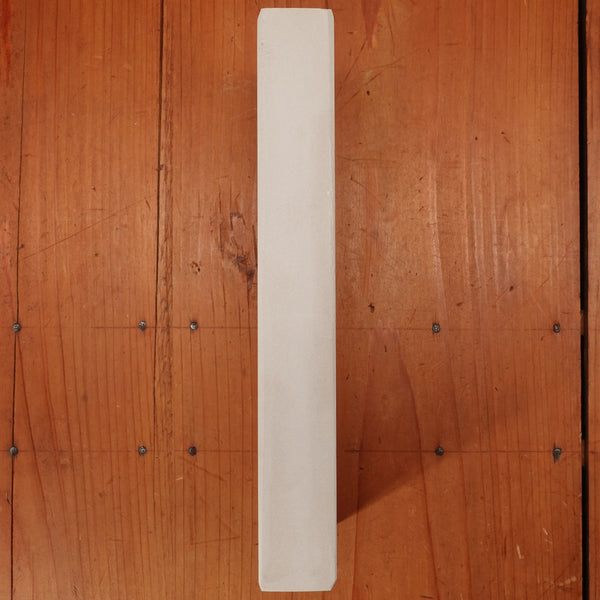
Bernal Cutlery Takarazukushi 500 Grit Soft & Fast Ceramic Japanese Whetstone
- Regular Price
- $46.00
- Sale Price
- $46.00
- Regular Price
-
- Unit Price
- per
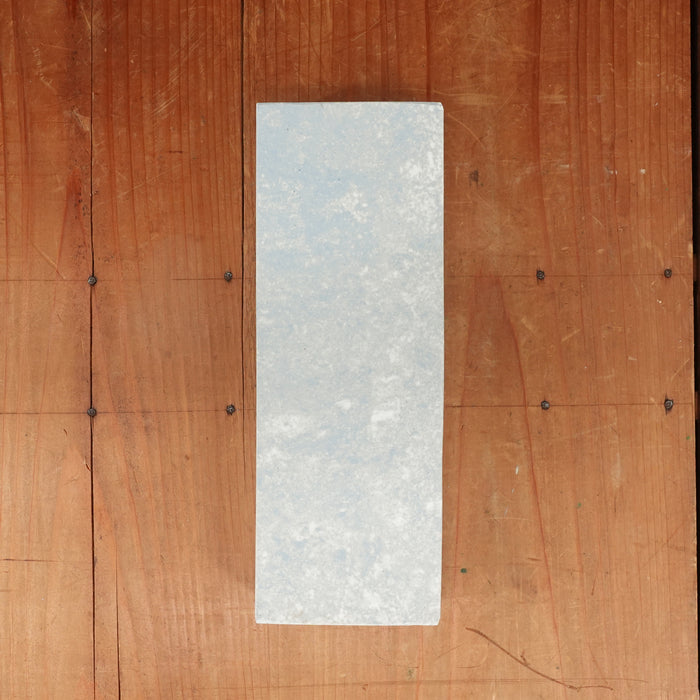
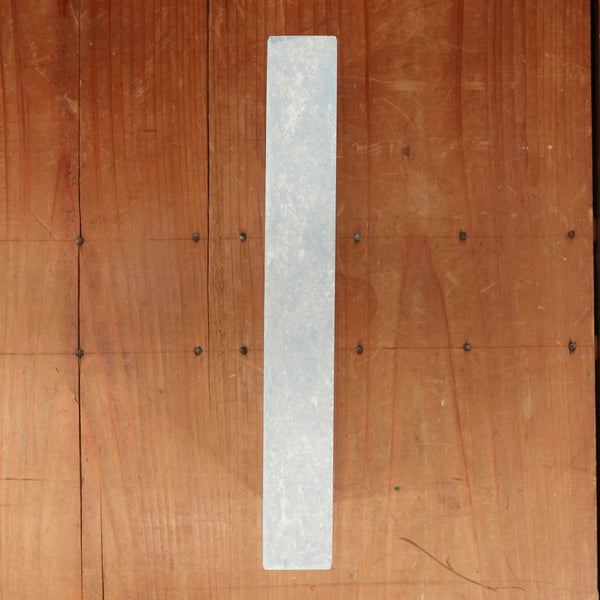
Bernal Cutlery Takarazukushi 1200 Grit Blue Marble Semi-Soft Ceramic Japanese Whetstone
- Regular Price
- $74.00
- Sale Price
- $74.00
- Regular Price
-
- Unit Price
- per
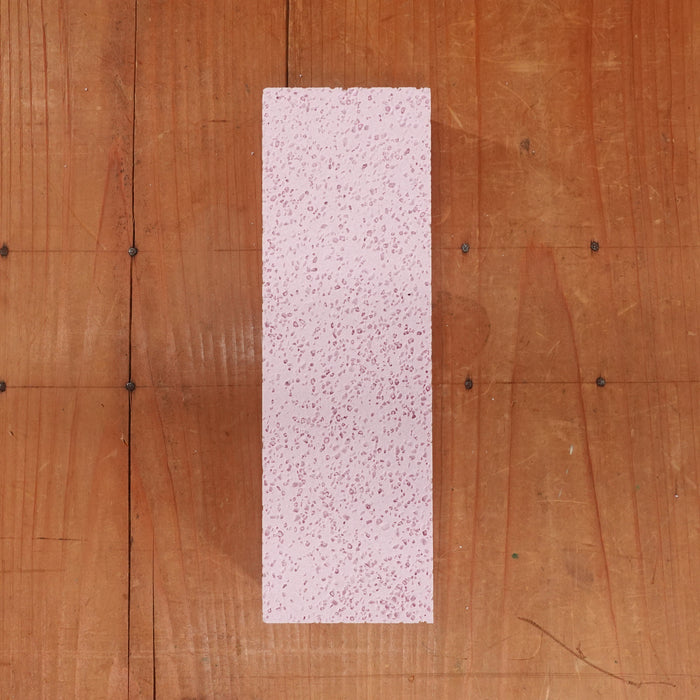
Takarazukushi Porous Ceramic 220 Flattening Stone
- Regular Price
- $40.00
- Sale Price
- $40.00
- Regular Price
-
- Unit Price
- per
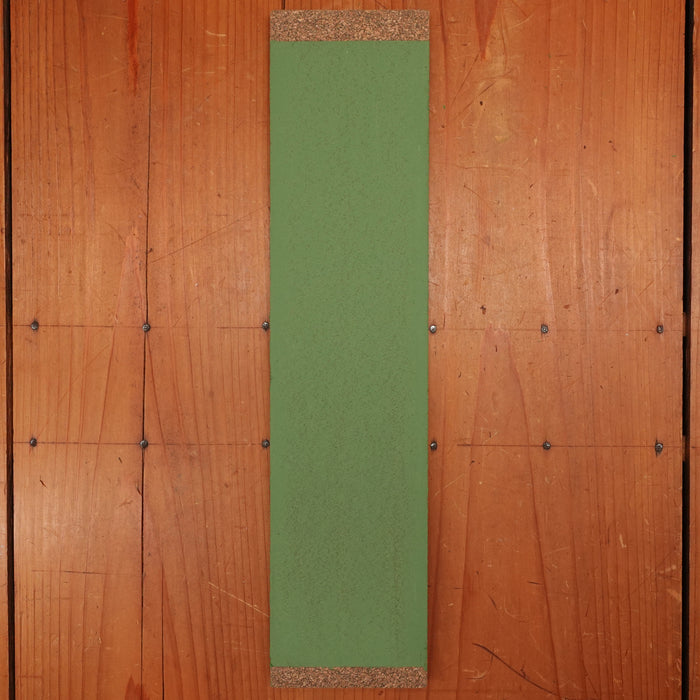
Bernal Cutlery Monodiachrome™ Precharged Deburring Strop
- Regular Price
- $40.00
- Sale Price
- $40.00
- Regular Price
-
- Unit Price
- per


Bernal Cutlery Monodiachrome Precharged Microfiber Strop
- Regular Price
- $75.00
- Sale Price
- $75.00
- Regular Price
-
- Unit Price
- per
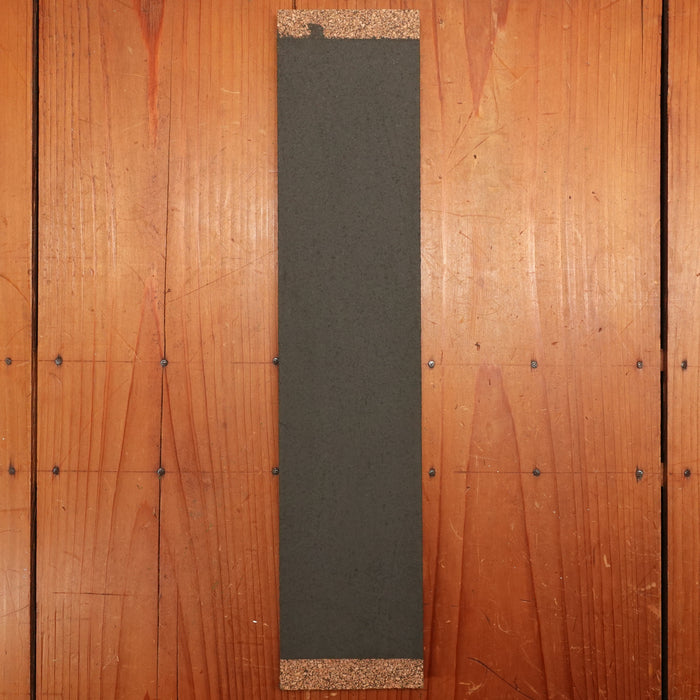
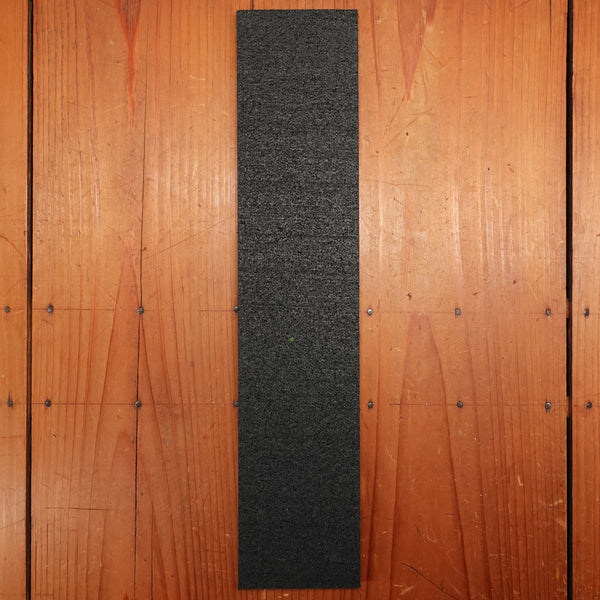
Bernal Cutlery Vanadium Carbide Precharged Abrasive Strop
- Regular Price
- $35.00
- Sale Price
- $35.00
- Regular Price
-
- Unit Price
- per
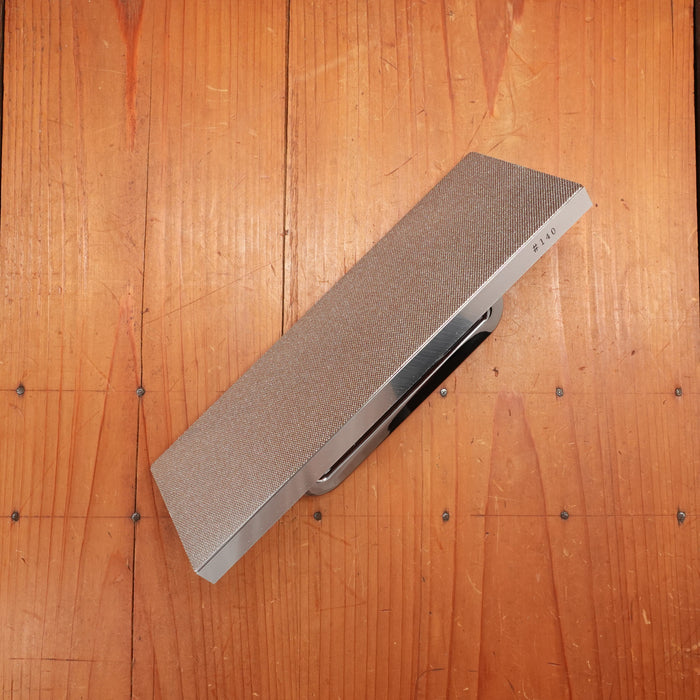
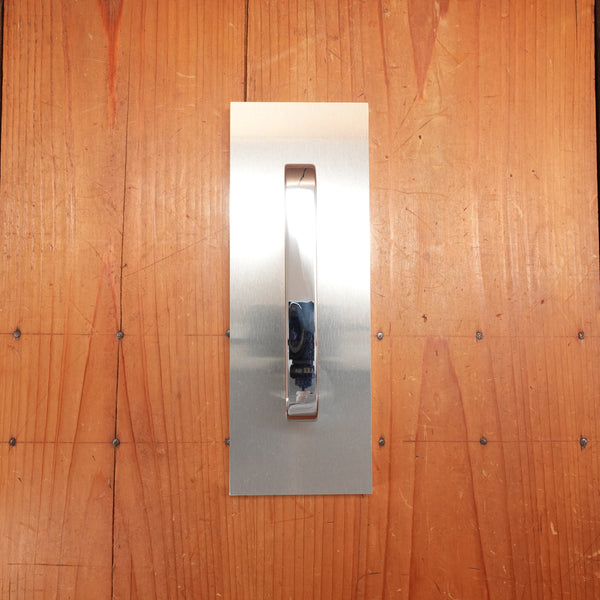
Atoma #140 Diamond Stone With Handle
- Regular Price
- $160.00
- Sale Price
- $160.00
- Regular Price
-
- Unit Price
- per
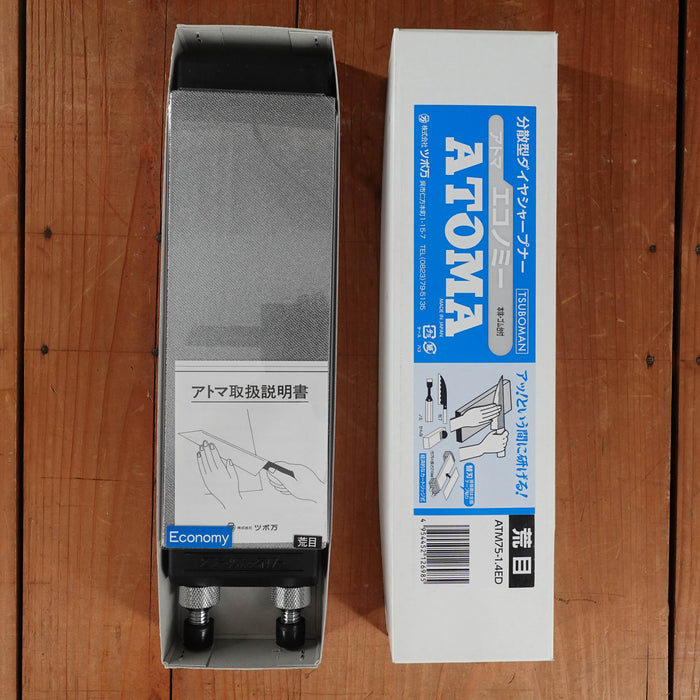
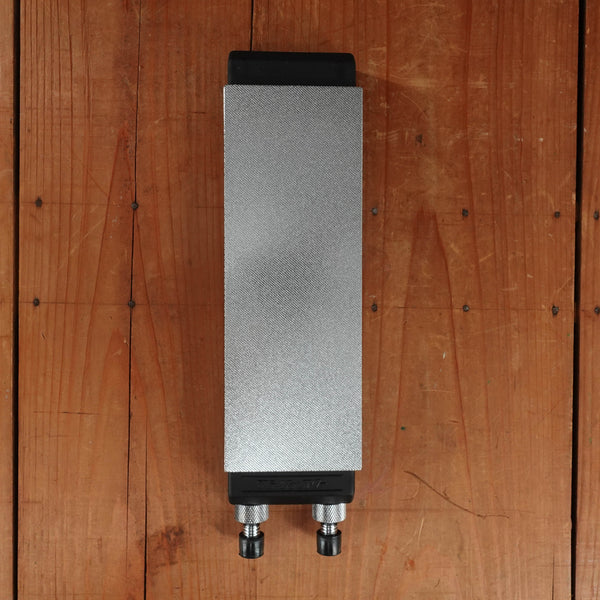
Atoma #140 Diamond Stone with Holder
- Regular Price
- $128.00
- Sale Price
- $128.00
- Regular Price
-
- Unit Price
- per
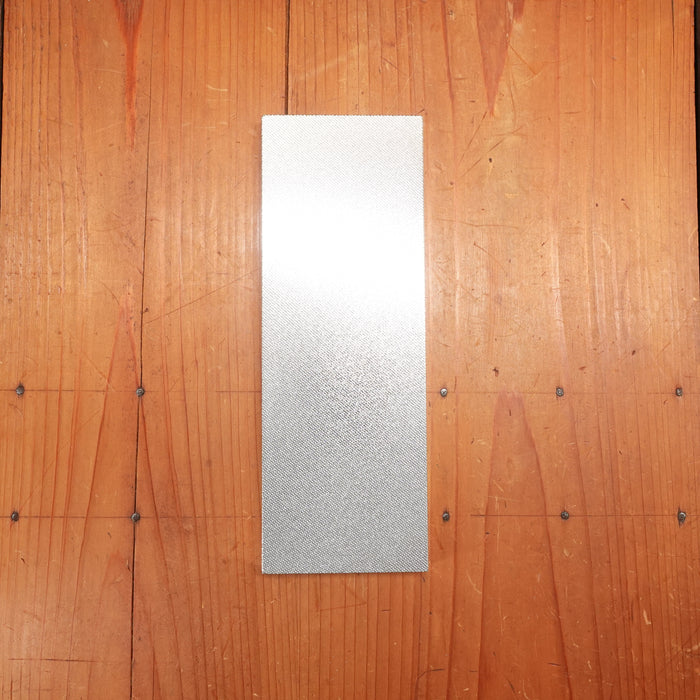
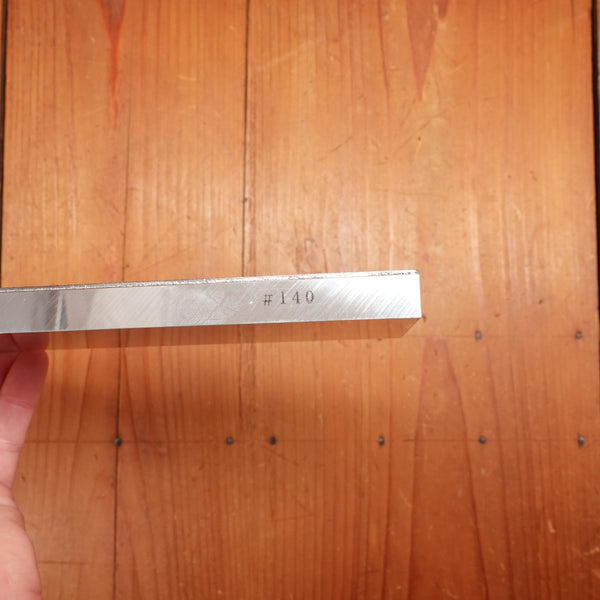
Atoma #140 Diamond Stone No Holder
- Regular Price
- $105.00
- Sale Price
- $105.00
- Regular Price
-
- Unit Price
- per


Atoma #140 Diamond Stone (Replacement)
- Regular Price
- $80.00
- Sale Price
- $80.00
- Regular Price
-
- Unit Price
- per